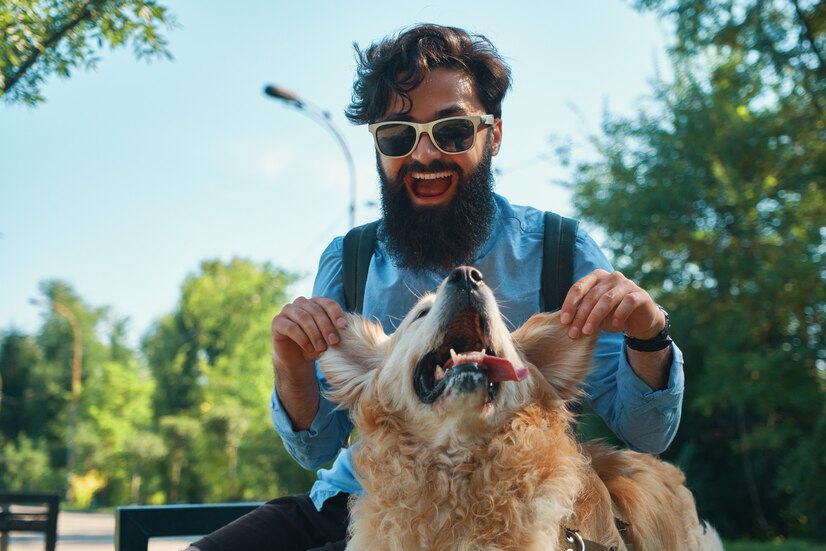
Unlock the Healing Power of Animal Companionship in Overcoming Addiction

by guest blogger Cindy Aldridge

Embarking on the path to overcoming addiction, you might discover solace and support in unexpected places. Among these, the companionship of pets stands out as a source of unconditional love and understanding. These furry friends offer companionship and become critical pillars in the journey toward sobriety, providing a unique form of support that nurtures emotional and physical well-being. Susan Bulanda shares more:

Providing Companionship and Sense of Purpose

In the throes of addiction recovery, the presence of a pet can imbue your life with a newfound sense of purpose and belonging. The unconditional love and unwavering companionship pets offer can fill the void of loneliness, giving you a reason to push forward. 

Their dependence on you for care and affection instills a routine and responsibility that can be incredibly grounding. This bond is crucial to the recovery process, offering a comforting presence that reassures and motivates you to continue healing.

Navigating Through Inpatient Treatment

When grappling with the complexities of addiction recovery, acknowledging the potential for relapse becomes pivotal. In such instances, opting for inpatient treatment emerges as a decisive choice, offering a structured and supportive setting for individuals navigating the trials of recovery. While concerns about the expense of rehabilitation may arise, it’s reassuring that numerous treatment centers readily accept health insurance from major providers. 

Mitigating financial worries requires proactive engagement with insurance companies to ascertain the extent of coverage. Selecting the right inpatient facility involves a multifaceted approach; start with this list of best rehab centers in the US. Take into account accommodations, accreditations, treatment approaches, location, and the testimonials of former patients. 

In parallel to choosing a rehabilitation center, it’s crucial to ensure your pet’s well-being by arranging temporary housing. Research local pet boarding facilities or consider pet-sitting services that can offer personalized care in your absence. Engaging with a trusted provider early on will give you peace of mind, knowing your furry friend is in safe hands while you focus on your recovery.

Alleviating Stress Through Pet Interaction

Petting or simply being near an animal has been shown to reduce stress and significantly lower cortisol levels. This interaction promotes a sense of calm and well-being, which is particularly beneficial during the unpredictability of addiction recovery. 

The routine of caring for a pet provides a distraction from stressors and a way to channel energy positively. This natural form of stress relief can make a significant difference in managing recovery’s emotional ups and downs, offering a peaceful respite in moments of turmoil.

Overcoming Loneliness with the Company of Pets

The companionship of a pet combats the loneliness and isolation felt during addiction recovery, offering comfort and a sense of security that diminishes the risk of relapse. Their simple, unwavering support lightens the complexities in human relationships, making the path to sobriety feel less intimidating. This bond is a constant reminder that you are never truly alone in your journey toward healing.

Fostering Emotional Healing Through Pet Bonding

Pets provide a unique outlet for emotional expression, offering a safe space to express feelings without fear of judgment or reprisal. This aspect of pet ownership can be particularly therapeutic during addiction recovery, where emotional vulnerability is often a key part of the healing process. Caring for an animal can help redirect focus from personal struggles to the well-being of another, facilitating a form of emotional healing that is both subtle and profound.

Promoting Physical Health and Activity

Engaging in physical activities with a pet, such as walking or playing, strengthens your bond and promotes your own physical health. This routine encourages regular exercise, which is an essential component of a healthy recovery process. The physical benefits of activity and the emotional support of pet companionship contribute to a holistic approach to overcoming addiction, enhancing mental and physical resilience.

Encouraging Mindfulness and Presence

Caring for a pet requires mindfulness and presence which can be incredibly beneficial during addiction recovery. This responsibility encourages you to live in the moment, focusing on your pet’s needs rather than dwelling on past mistakes or future anxieties. This mindfulness practice fosters a sense of peace and connection, grounding you in the present and supporting a more mindful, purposeful approach to recovery.

In the challenging journey of overcoming addiction, the companionship of pets offers a powerful source of healing and support. Beyond mere companionship, they provide love, purpose, and a unique form of unconditional support that can significantly impact your recovery process. As you navigate the path to sobriety, consider embracing the therapeutic power of pets to find strength, resilience, and comfort in their presence.

Tips on How to Juggle Looking After Your Faithful, Furry Friend While Tending to Your Business

by Guest Blogger Cindy Aldridge

Congratulations, you”ve got a new pet! But there’s one small problem, you’re starting a new business at the same time and have no choice but to bring him along with you in the beginning.

Certainly, this could prove to be immensely challenging if you don’t have a plan of action to help guide you on the right path. Today, A Blog by Susan Bulanda looks at some tips to help you juggle the roles of pet owner and owner without losing the reins of them both.

Choose the Best Structure for Your Business

This is one of the first things to consider when including your pet in your new business venture. It is important to decide what business you want to start. A limited liability company (LLC) is a great option for new business owners who are looking for a bit more

flexibility in the start-up phase. LLCs have other advantages as well, including tax benefits, less paperwork to file, and limited liability. Also, be sure what the different regulations are regarding filing an LLC, as these may differ from other states.

You’ll also need to plan a marketing campaign, too, notes i7 Marketing. Spreading the word via social media is a great way to start, but you should also invest in some old-fashioned approaches like business cards. And if you’re on a tight budget, you can use a business card design tool and take advantage of the free templates.

Upgrade Your Marketing Game

Even in the digital age, the value of tangible marketing tools like business cards remains significant. They are a physical extension of your brand and an essential part of your overall marketing strategy. Business cards offer a personal touch in a digital world, providing a direct and memorable way to share your contact information and reinforce your brand identity.

Design a Standout Logo

A logo is more than just a pretty image. Entrepreneurship in a Box points out that it is the cornerstone of your visual identity, and it should be designed with care and purpose. A well-designed logo can communicate your brand values and give customers a positive impression of your business. It can also help you to stand out from the competition and attract new customers. Investing in a professional logo is an essential part of any good marketing strategy, and it can pay off in a big way over time.

Create a Pet-Friendly Routine

Pets, more specifically dogs, tend to thrive on routine, especially when trained to follow through on a specific set of orders. So, if you intend to bring your pet with you to work daily, making small changes to accommodate your pet and familiarizing your pet with these changes could be the ice-breaker your pet needs to grow fond of his new home away from home. Also, you could consider buying them some new toys and treats to make them more comfortable.

Make Them Feel Welcome and at Home

One way to make your pet feel more at home in your new office is to make them feel as much at home as possible. Therefore, you should ideally bring along with you his favorite bed, toy, feeding, and water bowl so that he gets to know that this new space is his space, too. If you’re a tenant, consider looking for a place that offers more pet-friendly accommodations or amenities.

Some apartment complexes even offer dog washing stations and green areas specifically for pets. Keep an eye out for new potential places where you and your pet can be more comfortable.

Get Assistance

Perhaps your pet is a little rambunctious, and you envision needing assistance from professionals to help your pet get used to his new surroundings. For example, your pet may be a bit apprehensive around new people. Or perhaps, he requires a little more training on the potty-training side of things. Enrolling your pet in a pet training school could help your pet cope better with these issues. Be sure to only use a trainer who uses positive training techniques.

Improve Your Skills

Balancing the demands of running a business and caring for a pet can be challenging, but pursuing a cybersecurity degree online can be a strategic move to help your business grow while managing these responsibilities. With a cybersecurity degree, you’ll gain valuable knowledge in protecting your business’s computers and network systems, a crucial aspect in 0today’s digital world.

The convenience of online learning means you can acquire this vital skill set without having to sacrifice time spent on your business or neglect the needs of your pet. All-online classes offer the flexibility to learn at your own pace and schedule, allowing you to be present at home for your pet. This approach not only ensures your business is fortified against digital threats but also provides the peace of mind that comes with being able to take care of your pet’s needs throughout the day.

Make Use of Pet-Friendly Gadgets

Suppose you need something to keep your pet busy while you get to work on building your business from the ground up. There are plenty of pet-friendly gadgets that can help you keep an eye on your pet while you’re busy working, and you can even interact with them when you have a free moment in your busy day. Before investing in any new pet gadgets, be sure to seek out products that have been reviewed by veterinary professionals first.

Make Some Time for Them in Your Day

You’re probably going to feel pulled in every direction when starting your new business (at least in the beginning). And this probably won’t leave much time for downtime. But it is vital that you make time for your pet every day, and taking them for a walk around the block is sure to make their day, as well as get them more acquainted with their new role as your office companion at work.

Find the Right Balance for You and Your Pet

Taking your pet along with you on your new business venture is sure to be an enlightening experience as you bond with your pet on a whole other level. But as stressful as it might be in the beginning, working with formation services and getting your rambunctious pet some training can make things easier. It’s also sure to be comforting as you get the privilege of having your pet by your side through all the ups and downs of your new journey.

Susan Bulanda is the author of nine books including Faithful Friends: The Never-Before-Told Stories of Pets during the Holocaust which won the prestigious Maxwell Award by the Dog Writers Association of America for being first in its category (2013) and numerous additional awards. Visit her online today! http://www.sbulanda.com

A successful program to help shelter dogs find homes

In previous studies researchers found that taking shelter dogs out of the shelter for a day or keeping them overnight at someone’s home significantly reduced the dog’s stress level. However, a new study conducted by a team at Virginia Tech’s College of Agriculture and Live Sciences found that by implementing shorter-term fostering programs made a big difference in adoptions by increasing the number of dogs adopted.

The study analyzed 51 animal shelters in the United States that included 1,955 dogs that received the fostering program as well as 25,946 dogs that were in shelters and were used as a comparison. The study lasted for four years and typically dogs in the program were adopted within ten days after partaking in the fostering program.

“We saw that the majority of people adopting the dogs weren’t the caregivers that were taking the dogs on outings or letting them stay in their homes. These dogs were being seen in the community, meeting new people, and caregivers were sharing their stories. This increased exposure likely helped the dogs find their adopters.”

An adopted and beloved dog

Sue’s Note: It might help your local shelter if you go to the report, print it and give it to your local shelter. You can organize a group of people to implement the short-term foster program to help the shelter.

Journal Reference:

  1. Lisa M. Gunter, Emily M. Blade, Rachel J. Gilchrist, Betsy J. Nixon, Jenifer L. Reed, Joanna M. Platzer, Ingrid C. Wurpts, Erica N. Feuerbacher, Clive D. L. Wynne. The Influence of Brief Outing and Temporary Fostering Programs on Shelter Dog WelfareAnimals, 2023; 13 (22): 3528 DOI: 10.3390/ani13223528

Cite This Page:

Virginia Tech. “Researchers discover way to boost shelter dog adoptions.” ScienceDaily. ScienceDaily, 15 November 2023. <www.sciencedaily.com/releases/2023/11/231115133200.htm>.

Diseases in small vs large dogs

Researchers at the University of Washington in the US, studied the difference between diseases in large and small dogs. Although small dogs tend to live longer than large dogs, small vs large dogs do not differ in the amount of health conditions that they get, but they do differ in the types of health conditions.

The study compared 25,000 dogs of 238 different breeds. Although they did find trends, the researchers stressed that the study does not confirm any causal relationship between a dog’s size, age and disease.

They found that large dogs are more likely to develop cancer, bone-related disease, gastrointestinal problems, ear/nose/throat issues, neurological and endocrine conditions and infectious diseases. Smaller dogs were more likely to have ocular, cardiac, liver/pancreas and respiratory diseases. Both large and small breeds experienced kidney/urinary disease.

“For many types of conditions — including cancer, ocular, cardiac, orthopedic, and ear/nose/throat conditions — different dog sizes were associated with differing patterns of risk over the course of a dog’s lifespan.

The results held up even after the researchers statistically accounted for the dogs’ sex, where they lived, and whether they were purebred or mixed-breed.”

Journal Reference:

  1. Yunbi Nam, Michelle White, Elinor K. Karlsson, Kate E. Creevy, Daniel E. L. Promislow, Robyn L. McClelland. Dog size and patterns of disease history across the canine age spectrum: Results from the Dog Aging ProjectPLOS ONE, 2024; 19 (1): e0295840 DOI: 10.1371/journal.pone.0295840

Cite This Page:

PLOS. “Big dogs versus small dogs: Which sizes face higher risks of which diseases?.” ScienceDaily. ScienceDaily, 17 January 2024. <www.sciencedaily.com/releases/2024/01/240117141009.htm>.

Sue’s Note: This information can be used to help dog owners test their dogs for the diseases that they are most likely to get. Your veterinarian can help you keep abreast of potential diseases. This study did not track the illnesses/diseases that are predominant in specific breeds of dogs. It is important to know this information about your dog. For example, certain large breeds are more prone to develop hip dysplasia.

Nurture Your Senior Pet with These Essential Care Strategies

by guest blogger Cindy Aldridge

As your furry companion advances into their senior years, adapting your care approach becomes crucial for their well-being. This stage in their life calls for special attention to health, comfort, and happiness. This detailed guide, courtesy of Susan Bulanda, covers essential strategies to ensure your aging pet enjoys their later years to the fullest.  

Maximize Health with Regular Veterinary Check-Ups

Regular veterinary visits are crucial for senior pets. These appointments allow for early detection of common age-related issues such as arthritis, kidney problems, and vision loss. Timely intervention can significantly improve your pet’s quality of life. Additionally, veterinarians can offer advice on diet and exercise tailored to your senior pet’s specific needs, ensuring they remain healthy and active.

Safeguard Your Pet in the Great Outdoors

Creating a safe outdoor environment is essential for the well-being of senior pets. Installing a robust fence prevents your pet from wandering off and keeps unwanted animals out. Also, consider adding ramps for easy access, which are especially beneficial for pets with mobility issues. 

It’s also wise to document any improvements made to your outdoor space. If you plan to sell your home, taking before-and-after photos and retaining receipts can help demonstrate the added value these enhancements bring to your property. Keeping a close eye on your pet when they are outdoors is crucial too, as older pets may not be as alert to potential dangers, heightening their risk of accidents or getting lost.

Prioritize Dental Health

Effective dental care is a cornerstone of senior pet health. In addition to brushing and dental treats, regular professional cleanings can prevent serious dental issues. Neglecting dental health can lead to complications like heart disease or infections. Integrating dental care into your routine demonstrates your commitment to their overall health.

Maintain Grooming and Hygiene

Grooming is crucial for aesthetics and maintaining your senior pet’s health. Regular grooming sessions allow for the early detection of lumps, bumps, or skin conditions, which are more prevalent in older pets. It also serves as a bonding activity, offering comfort and reassurance. 

Further, these sessions are essential for ensuring your pet’s coat remains free from parasites and matting, which can cause discomfort and skin issues. Grooming is also a great time to check the flexibility and condition of your pet’s skin, which can indicate their overall health.

Ensure Adequate Hydration

Maintaining proper hydration is crucial in supporting kidney function and preventing urinary tract issues in senior pets. Placing multiple water bowls around your home encourages them to drink regularly. Regularly checking these bowls ensures they always have access to fresh water. 

A pet fountain can further encourage drinking by providing a continuous flow of fresh water, making it more appealing. Additionally, monitoring your pet’s water intake can indicate their overall health and alert you to potential issues.

Image via Freepik 

Stimulate Their Minds

Cognitive health is as crucial as physical health in senior pets. Engaging them in regular mental exercises can help delay the onset of cognitive dysfunction, similar to dementia in humans. Training sessions, learning new tricks, or engaging in scent games help keep their minds active and alert. 

These activities stimulate their brains and strengthen their bond with them. Consistent mental stimulation can also help maintain their senses and reflexes, which are vital for their overall well-being and quality of life.

Create a Comfortable Environment

Adapting your home to suit your senior pet’s needs is vital to their comfort. This includes providing orthopedic bedding to support their joints, ensuring easy access to their favorite spots, and maintaining a consistent indoor temperature. Remember that their tolerance for extreme weather conditions diminishes with age, so keeping them comfortable shows your deep understanding and care.

Wrapping Up

Caring for a senior pet means adapting to their changing needs with empathy and understanding. By focusing on these essential care strategies, you can ensure that your beloved companion enjoys their golden years in comfort and happiness. 

Your commitment to their well-being reflects the depth of your bond, making every moment you share even more precious. Remember that the love and care you provide during these years are invaluable, creating a nurturing environment for your senior pet to thrive.

Wooly Dogs — an extinct breed

For the first time researchers from the Smithsonian’s National Museum of Natural History have discovered and then studied the only pelt known of a Wooly Dog named Mutton. Mutton’s pelt had been stored undiscovered at the museum for years.

Google free images

The Wooly dogs were carefully bred and maintained for thousands of years by the Indigenous Coast Salish communities in the Pacific Northwest (Coast Salish is located on both sides of the U.S.-Canadian border, in coastal British Columbia and Washington State.) They used the undercoat of these dogs in the same manner as other people used the wool from sheep and other wool-bearing animals, to make clothing, blankets and other items.

Based on the genetic data from Mutton’s coat, the team estimated that woolly dogs diverged from other breeds up to 5,000 years ago — a date that lines up with other archaeological discoveries from the region.

Mutton’s genetic makeup is similar to pre-colonial dogs from Newfoundland and the British Columbia. Their research indicates that Mutton lived decades after the introduction of European dogs, which shows that the Coast Salish people carefully bred and maintained this breed of dog.

It is not entirely clear why the breed disappeared; the most likely reason was the changing conditions of the people who depended on the breed. It only took a few generations for the breed to become extinct.

Journal Reference:

Audrey T. Lin, Liz Hammond-Kaarremaa, Hsiao-Lei Liu, Chris Stantis, Iain McKechnie, Michael Pavel, Susan sa’hLa mitSa Pavel, Senaqwila Sen̓áḵw Wyss, Debra qwasen Sparrow, Karen Carr, Sabhrina Gita Aninta, Angela Perri, Jonathan Hartt, Anders Bergström, Alberto Carmagnini, Sophy Charlton, Love Dalén, Tatiana R. Feuerborn, Christine A. M. France, Shyam Gopalakrishnan, Vaughan Grimes, Alex Harris, Gwénaëlle Kavich, Benjamin N. Sacks, Mikkel-Holger S. Sinding, Pontus Skoglund, David W. G. Stanton, Elaine A. Ostrander, Greger Larson, Chelsey G. Armstrong, Laurent A. F. Frantz, Melissa T. R. Hawkins, Logan Kistler. The history of Coast Salish “woolly dogs” revealed by ancient genomics and Indigenous KnowledgeScience, 2023; 382 (6676): 1303 DOI: 10.1126/science.adi6549

Cite This Page:

Smithsonian. “Researchers, Coast Salish people analyze 160-year-old indigenous dog pelt in the Smithsonian’s collection.” ScienceDaily. ScienceDaily, 15 December 2023. <www.sciencedaily.com/releases/2023/12/231215015450.htm>.

Sue’s Note: This is a good example of how quickly breeding practices or a lack of, can destroy a breed of dog, either by eliminating the breed or drastically changing the original instincts that made the breed what it was intended for. We see that today as illustrated by the difference between dogs in the same breed that are bred solely for work and those bred for looks or profit only.

Cancer in Golden Retrievers

Researchers at the University of California, Davis have conducted a study to determine why some Golden Retrievers live longer when 65% of Golden Retrievers die at a younger age from cancer.

By studying dogs that lived longer rather than studying the cancer itself, they found a gene in the family of proteins that increased the life of Goldens by two years. This gene is also important in human cancer.

The researchers studied dogs that were alive at 14 years of age and those that died before 12 years of age. This finding is just one piece of the puzzle and more research needs to be done, but like many studies that involve animals, it will benefit people as well. It may also help other breeds of dogs who develop cancer.

Journal Reference:

  1. Robert B. Rebhun, Daniel York, Flora M. D. De Graaf, Paula Yoon, Kevin L. Batcher, Madison E. Luker, Stephanie Ryan, Jamie Peyton, Michael S. Kent, Joshua A. Stern, Danika L. Bannasch. A variant in the 5′UTR of ERBB4 is associated with lifespan in Golden RetrieversGeroScience, 2023; DOI: 10.1007/s11357-023-00968-2

Cite This Page:

University of California – Davis. “Can golden retrievers live longer?.” ScienceDaily. ScienceDaily, 19 October 2023. <www.sciencedaily.com/releases/2023/10/231019151809.htm>.

Scent and Memory

According to a study done by researchers at the UCI Center for the Neurobiology of Learning & Memory at the University of California, adults who were ages 60 – 85 who were suffering from some sort of mental impairment partook of the scent therapy test.  

The subjects of the study were given a diffuser and seven cartridges, each with a natural oil. The subjects used the diffuser each night when going to bed. The diffuser ran for two hours. The results showed that the group with the full-strength diffusers improved their cognitive skills by 226%.

Imagining showed that there was better integrity in the brain pathway called the left uncinate fasciculus, which connects the medial temporal lobe to the decision-making prefrontal cortex.

In addition to having better memory, the subjects said that they slept better, more soundly.

Sue’s Comments:  We know that essential oils have numerous benefits when smelled. For example, lavender is known for its calming properties. What this study brings to mind for me is the possible connection with scent work in dogs. There are many accounts of animals, dogs, elephants, and other animals, who recognize a person that they have not seen in years. Scent is one of the keys for this, indicating that there may be a connection similar to the findings in this study. Previous studies have shown that in dogs, scent is linked to sight, they are not separate in the dog’s brain. I would love to see further studies that involve this finding and how it might apply to animals. Would it be possible to help elderly animals in the same way. Dogs and other animals suffer from dementia the same as people.

Journal Reference:

  1. Cynthia C. Woo, Blake Miranda, Mithra Sathishkumar, Farideh Dehkordi-Vakil, Michael A. Yassa, Michael Leon. Overnight olfactory enrichment using an odorant diffuser improves memory and modifies the uncinate fasciculus in older adultsFrontiers in Neuroscience, 2023; 17 DOI: 10.3389/fnins.2023.1200448

Cite This Page:

University of California – Irvine. “Sweet smell of success: Simple fragrance method produces major memory boost.” ScienceDaily. ScienceDaily, 1 August 2023. <www.sciencedaily.com/releases/2023/08/230801131700.htm>.

Gene therapy to prevent pregnancy in dogs and cats

A Research team led by David Pépin, PhD, Associate Director of the Pediatric Surgical Research Laboratories at Massachusetts General Hospital, and an Associate Professor at Harvard Medical School has developed a gene therapy as an alternate to spaying and neutering animals. They are hopeful that this method will eventually be available to be able to control outdoor pet populations.

While this discovery is promising, the researchers have yet to develop the infrastructure to treat thousands of unowned feral cats. This will also give pet owners an alternative to traditional spay and neuter programs to prevent pregnancy in their pets.

What is interesting is this gene therapy was first used in people. Typically discoveries in animals help humans, in this case it is the reverse.

Journal Reference:

  1. Vansandt, L.M., Meinsohn, MC., Godin, P. et al. Durable contraception in the female domestic cat using viral-vectored delivery of a feline anti-Müllerian hormone transgeneNat Commun, 2023 DOI: 10.1038/s41467-023-38721-0

Cite This Page:

Massachusetts General Hospital. “Gene therapy produces long-term contraception in female domestic cats.” ScienceDaily. ScienceDaily, 6 June 2023. <www.sciencedaily.com/releases/2023/06/230606111636.htm>.

Those amazing whiskers

A study at Northwestern University has shown that rats determine the direction of the wind with their whiskers. Since many other animals such as dogs, foxes, coyotes and cats also have whiskers that are similar to those of a rat, is it possible that they also use their whiskers to determine the direction of the wind?

All wild animals also have to be aware of the direction of the wind to either find food or avoid being detected by predators. Therefore, the ability to determine the direction of the wind or even a slight breeze is a life and death skill. It seems reasonable that that they would use their whiskers as well as the movement of their fur to detect the direction of air movement.

Sue’s Note: As a person who has trained many working dogs, I have seen dogs learn how to use the direction of the wind to find scent. It is quite an amazing thing to watch, and another example of how intelligent animals are.

Journal References:

Mitra J. Z. Hartmann et al. Whiskers aid anemotaxis in ratsScience Advances, August 2016 DOI: 10.1126/sciadv.1600716

Yan S. W. Yu, Matthew M. Graff, Mitra J. Z. Hartmann. Mechanical responses of rat vibrissae to airflowThe Journal of Experimental Biology, 2016; 219 (7): 937 DOI: 10.1242/jeb.126896


Cite This Page:

Northwestern University. (2016, August 24). Whiskers help animals sense the direction of the wind: First-ever study shows that rats use whiskers to locate source of airflow. ScienceDaily. http://www.sciencedaily.com/releases/2016/08/160824160248.htm