How old is your dog, really?

The old standard that one year of a dog’s age equals seven years in human age, is not true. Consider that some dogs live to be 20 and others are very short-lived. Dogs also share many of the medical issues associated with aging that people have. To further understand the aging process in dogs, a team of scientists are studying “normal” aging in dogs to unravel the aging process. They want to understand what makes one dog live longer than another.

The Dog Aging Project, (DAP) will conduct their studies for at a minimum of ten years to unravel the mysteries of canine aging. So far, they have studied more than 32,000 dogs, all pets privately owned.

They are especially interested in studying 300 of the oldest dogs. Pet owners can join the project by going to: https://dogagingproject.org

Very shortly the research team plans to open their huge data base which will be completely anonymized, to scientists around the world. As usual, new information about aging and health issues in dogs will help with medical research in people, and perhaps other animals as well.

How did small dogs become small?

The popular belief is that people domesticated dogs and then decided to breed them smaller, working down from the larger dogs. But the latest research has shown that this may not be true. The gene for small dogs existed long before dogs were domesticated.

Researchers at the National Institutes of Health have identified a mutation in a gene related to the growth hormone that causes small body sizes in the DNA of a 54,000-year-old wolf which existed before domestication.

Today’s dogs only have 25 known genes that regulate body size, making it easier for researchers to further investigate how they work. Future studies may help breeders produce better dogs with less defects.

This study is important because it shows that the common belief that purebred dogs have more defects than mixed breed dogs is not always true. This study illustrates those defects such as size, existed pre-breed creation. Also, by identifying and understanding the gene that causes size defects such as dwarfism, which exists in humans and dogs, then there may be a future way to identify and possibly prevent these defects.

Dogs can suffer from ADHD and OCD

Dogs share many things with humans, both in their physical and mental health. It is important to understand that your dog’s behavior may not be deliberate on the dog’s part, or a result of his environment, but a result of a type of mental illness.

A recent study conducted by scientists at the University of Helsinki, found that dogs suffer from hyperactivity, impulsivity and inattention similar to the behavior of humans who have ADHD, or Attention Deficit Hyperactivity Disorder.

The researchers found that a dog’s age and gender combined with the owner’s experience made a difference in the 11,000 dogs studied. Hyperactivity, impulsivity and inattention were more common in young dogs and male dogs, the same as young children and males in humans.   

The researchers also found that dogs suffer from an Obsessive/Compulsive type behavior that mirrors the same disorder in humans. OCD often shows up in people who suffer from ADHD as well. In dogs it can manifest itself as such behavior as: continuous tail chasing, licking objects or themselves and staring at things.

The researchers also noted that certain breeds of dog are more likely to exhibit ADHD and OCD behaviors than others.

It is important to understand that if a dog exhibits these behaviors, that they cannot help themselves and should not be punished or otherwise subjected to aversive training methods to try and change the behavior(s). If a dog exhibits ADHD or OCD related behaviors, contact a certified canine behavior consultant for help. However, it would be diligent to the prospective dog owner to carefully research different breeds and breeders. Also avoid designer breeds, they are typically not well bred and are often a mix of puppy mill stock. If anyone would like my free brochure about how to find the right breed and breeder, please feel free to contact me.

Help for overweight dogs

Many people tend to overfeed their dogs. This is especially a risk when there are children in the household. Dogs are very willing to eat all dropped food and older children tend to sneak their dog treats or share what they are eating with them. Guess what, adults do the same thing as well.

If the dog is a large dog, they can often handle the extra food. But small dogs cannot and quickly become overweight. Because owners do not weight their dogs at home, the weight can slowly accumulate until one day the owner notices that the dog has gotten fat.

The other contributing factor to overweight in dogs is that owners often do not exercise the dog as much as they need. Bigger dogs need longer exercise sessions since their stride covers more ground than a small dog. Many people do not have the stamina or space to properly exercise a large dog.

Just like people, dogs suffer health issues from being overweight. It can be hard for an owner to put their dog on a diet. Those begging eyes are hard to resist when you know that your dog is hungry because you have put them on a diet.

The good news is that a study conducted at the University of Illinois, Urbana-Champaign campus has found that by putting a dog on a reduced calorie – high protein and fiber diet for 24 weeks reduced weight in dogs. It also showed that dogs body composition and inflammatory markers changed for the better and they did not lose muscle mass.

Keep a close watch on your dog, especially if family members tend to share their food with the dog to make sure that they are not gaining too much weight. If they do, consult with your veterinarian to determine which dietary food your dog should be on. With extra care, you can help your dog live a long, healthy life.

Budget-Friendly Tips for Keeping Pets Healthy During Cold Weather by guest blogger Brandon Butler

The weather is cooling, and although most four-legged creatures enjoy a break from summer’s heat just as much as us two-legged creatures do, fall and winter can also pose certain dangers to our furry friends. Not all animals are equally equipped for cool temperatures, and your pet might need a little extra help to stay healthy and comfortable.

While a great fitting jacket or cozy pjs can be a great start on cold weather comfort, there is often more to it than that. With that in mind, Certified Animal Behavior Consultant Susan Bulanda presents some tips for giving them what they need without breaking the bank:

Stock Up on Basics

One important step towards keeping your furry friends safe in the cooler season is to stock up on basic supplies like food and any medications your pet needs. If you wind up stuck in inclimate weather, having a stockpile set aside can keep your pet happy and your stress levels low. Moreover, buying in bulk might cost more up front, but it can save you money in the long run.

Look for discounts online like a Chewy promo code to build a budget-friendly pet supply stockpile. Keep extra food somewhere cool and dry so it stays fresh for your pal. If your pet takes any medications, talk to your vet about getting extra before the cold season hits.

Stay On Top of Grooming

Many animals go through a cool-season shed. This allows them to grow out their thick winter coats. Although this is a vital tool for keeping them warm and cozy, it can be tough on them without proper grooming. Long-hair pets in particular can develop mats and hairballs, both of which are uncomfortable and have the potential to cause serious problems.

Photo Credit: Unsplash

Some animals will need professional grooming once a season to remove blown-out coats. Look for affordable groomers in your area to find a good fit for your budget. If your buddy gets anxious at the groomers, try a natural relaxation technique like massage or essential oils to help them calm down for their big salon day.

Dress Your Pet for the Weather

Dogs in sweaters aren’t just extremely adorable – they’re also well-prepped for harsh temps. If your dog isn’t a cool-weather breed, it’s important to make sure they’re properly dressed for cold weather when you take them out for walks. This means doggy jackets and well-fitting boots. The dog-lovers over at Cuteness remind us that dogs can easily get frostbite on their paws if they’re not properly protected – after all, you wouldn’t want to walk barefoot in the snow, would you?

If you have a very young or senior pet, it’s especially important to get them something cozy when it’s cold. According to Dogster, these animals don’t have the ability to regulate body temperature their counterparts have, so their body temperature can drop dangerously in chilly conditions. If you have the skills, a great way to save money on pet clothes is to DIY your own designs. There are a ton of knitting, crocheting, and sewing patterns out there for the interested crafter.

If you want to give your pet a little extra coziness this winter, an indoor dog house may do just the trick. Just make sure you read up on the different available products to ensure you’re getting one suited to your dog’s size and temperament. The last thing you want is to spend money on something your pet will destroy in a matter of days.

Get a Checkup

Finally, consider scheduling your pet’s yearly check up for the start of fall. This will give you the chance to make sure they’re in good shape for the winter, as well as an opportunity to ask your vet if there are any other steps you can take to keep them healthy over the cooler months. Regular checkups keep your pet (and your wallet) safe by catching issues before they’re too serious, and more expensive to treat.

Keeping your furry friend healthy during winter is just one way to show them how much you love them. Think ahead before the weather gets rough so you have a plan for any possibility. You and your pet deserve to have a wonderful winter together!

COVID in dogs and cats

A study in the Veterinary Record, has reported a few cases of dogs and cats contracting the SARS-CoV-2 variant in England. In these cases, the pets caught the variant from their owners who had shown symptoms several weeks before the pets became ill. Heart problems were manifested in the pets who contracted the variant.

While this is not widespread and actually rare, it is a good idea for pet owners to be aware of the possibility since COVID-19 is so widespread. At this point the research does not indicate that people can catch the variant from pets.

Help for pets with dementia

I have had dogs who suffered from cognitive decline or dementia in their old age. Often these dogs are put down because they can no longer function properly. I wish this product had been available years ago.

Noted Veterinary Surgeon Dr. Theresa Fossum Adds CogniCaps, a cognitive function supplement, to her Popular Line of Natural Animal Supplements

Noted veterinary surgeon Dr. Theresa Fossum DVM, MS, Ph.D., Diplomate ACVS, and author of the most referenced book on its topic, Small Animal Surgery, has added a new product to her popular line of natural animal supplements Dr. Fossum’s Pet CareCogniCaps, to support healthy brain function in aging dogs.

Dr. Curtis Dewey, a veterinary neurologist with extensive knowledge of the brain concerns aging dogs often experience, collaborated on the development of CogniCaps with Dr. Fossum. The supplement, a combination of eastern and western modalities, was created in an easy to administer capsule format and contains a proprietary blend including our own BioCog formula (registration pending) plus vitamin E, zinc, naturally occurring phytochemicals such as curcumin, oral S-adenosylmethionine (SAMe), and phosphatidylserine, a membrane phospholipid. In addition, the supplement contains a number of herbs from Traditional Chinese Medicine that have been shown to support cognitive function.

According to Dr. Dewey, the estimated prevalence of cognitive concerns in older dogs generally varies between 14% and 35% of the pet dog population; however, these numbers are likely an underestimation. As with people, cognitive decline in dogs can increase dramatically with age; as many as half of all dogs 11-12 years old are likely experiencing age-related decline, and nearly 70% of dogs over the age of 15 are affected. Importantly, dogs may show evidence of brain changes as early as 4-6 years of age.

Even mild or moderate changes in cognitive ability can make living with affected pets difficult. Dogs may become disoriented and frequently become “stuck” in a corner of a room, they may urinate or defecate in the house because they may be temporarily confused about where the appropriate place to go is. They may seem stressed, they may bark at inappropriate sounds or objects, and they may become less interactive with their owners. Affected dogs often develop sleep disturbances (they are active and may vocalize at night, but they sleep during the day). In a word, these pets show signs of senility.  

Dogs affected with changes in cognitive ability typically respond well to intervention, especially if instituted early in the process. Precautionary measures such as dietary changes and environmental enrichment can both help, and slow the progression of cognitive decline due to aging. This suggests that simple changes including health supplements as provided in CogniCaps may be generally advisable in pet dogs as they approach middle age.

Because there are so many individual health supplements for cognitive decline, veterinarians and their clients are often faced with the prospect of recommending multiple separate supplements to produce a positive response. It is also common practice to separate the recommendation into the categories of western and eastern medicine. Again, this conceptualization leads to the necessity of multiple supplements-both western (conventional) and eastern (non-conventional, holistic, etc.). Although pet owners often will administer multiple supplements to their senior dogs, it can be challenging. Also, it is unlikely that the average pet owner will administer multiple supplements to a well seeming middle-aged dog. CogniCaps is a truly integrative health supplement, combining a mixture of both western and eastern ingredients in one small capsule, allowing for ease of use for pet guardians to support keeping dogs’ minds sharp as they age.

                               #                            #                            #

For more information on CogniCaps, please see https://drfossums.com/product/cognicaps-cognitive-function-supplement/. For information on Dr. Fossum’s full line of natural pet wellness products please see https://drfossums.com.

Canine hookworms resistant to treatments

            Hookworms are a common problem in dogs. These worms have a hooklike mouth that attaches to the dog’s intestinal tract. There are serious consequences if a dog in highly infested. Currently the most prevalent breed to have hookworms are Greyhounds. The conditions that they are raised and raced in is conductive to the spread of hookworms.

            Because of the widespread adoption of racing greyhounds’ hookworms are spreading to other dogs as well. A dog does not have to ingest the worms to become infected. The larvae live in the soil and can burrow through the dog’s skin and paws. Also, a female can pass the worm to their puppies through their milk. Hookworms also can infect people.

            What is upsetting is that veterinarian researchers have found high levels of hookworms in dogs that were treated. It is important that dogs are retested after a treatment to ensure that all of the worms have been killed.

            The most upsetting thing about hookworms is that they are becoming resistant to the three medications used to deworm a dog. The researchers are concerned that only the drug resistant hookworms will be left and will spread. Right now, the only deworming medication that is successful in killing the resistant hookworms is emodepside. However, that medication is only approved for cats.

            What a dog owner can do is avoid dog parks, where hookworms can live. Have your dog tested for worms frequently, especially if it is an adopted Greyhound, and make sure if your dog has hookworms, retest after treatment.

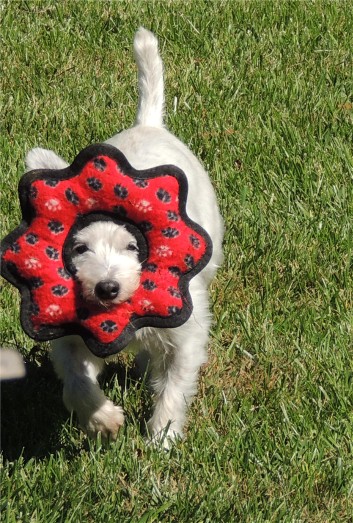
Juvenile epilepsy in Parsons Russell Terriers

When epileptic seizures caused the death in some Parsons Russell Terriers at six to twelve weeks of age, researchers delved into the cause. These puppies’ seizures were so severe that they died and medication would not help them. The researchers at the University of Helsinki found a gene disorder similar to the cause of Alzheimer’s in humans.

Riley, PRT

They developed a test that can determine if a dog carries this recessive gene. Because the gene is recessive, both the sire and dam must carry it to produce the defect in dogs. Therefore, it is essential that breeders of PRT’s have their dogs tested before they breed.

Cavalier King Charles Spaniel have the most harmful genetics

The Cavalier King Charles Spaniel has been a breed for over 1000 years. However, during that time there were “bottlenecks” in the breeding of these dogs where only a small number of dogs were bred.

Researchers studied eight different breeds and found that the Cav had the greatest number of disease-causing genes than any of the other breeds studied. They are especially prone to heart disease.

picabay photo

Note: The study only sampled a limited number of dogs of each breed studied. While this is a good indicator, I would have liked to see a larger number of dogs tested from a wider geographical area. However, breeders who sincerely love their breed, what ever it is, can improve the breed by selective breeding for the right reasons. Too many people breed indiscriminately and do not test their dogs for genetic defects. As a canine behavior consultant, I have seen the results of this for my entire career.