Does my dog have separation anxiety?

Separation anxiety is a genetic issue. This means that owners do not cause it, however, they can bring it out in a dog and intensify it. Research has shown that dogs that are noise shy, such as a fear of thunderstorms tend to also have separation anxiety.

Separation anxiety is a panic attack and is very similar to a panic attack in people. It is not fun to have and if it happens often enough, such as when a dog is left alone frequently, can cause the dog’s quality of life to degrade. Imagine being afraid for eight to ten hours, five or more days a week. It is also important to understand that separation anxiety is very stressful, and a dog’s health is affected the same as a person from constant stress. Therefore, separation anxiety not only destroys a dog’s mental health, but can also harm their long-term physical health as well.

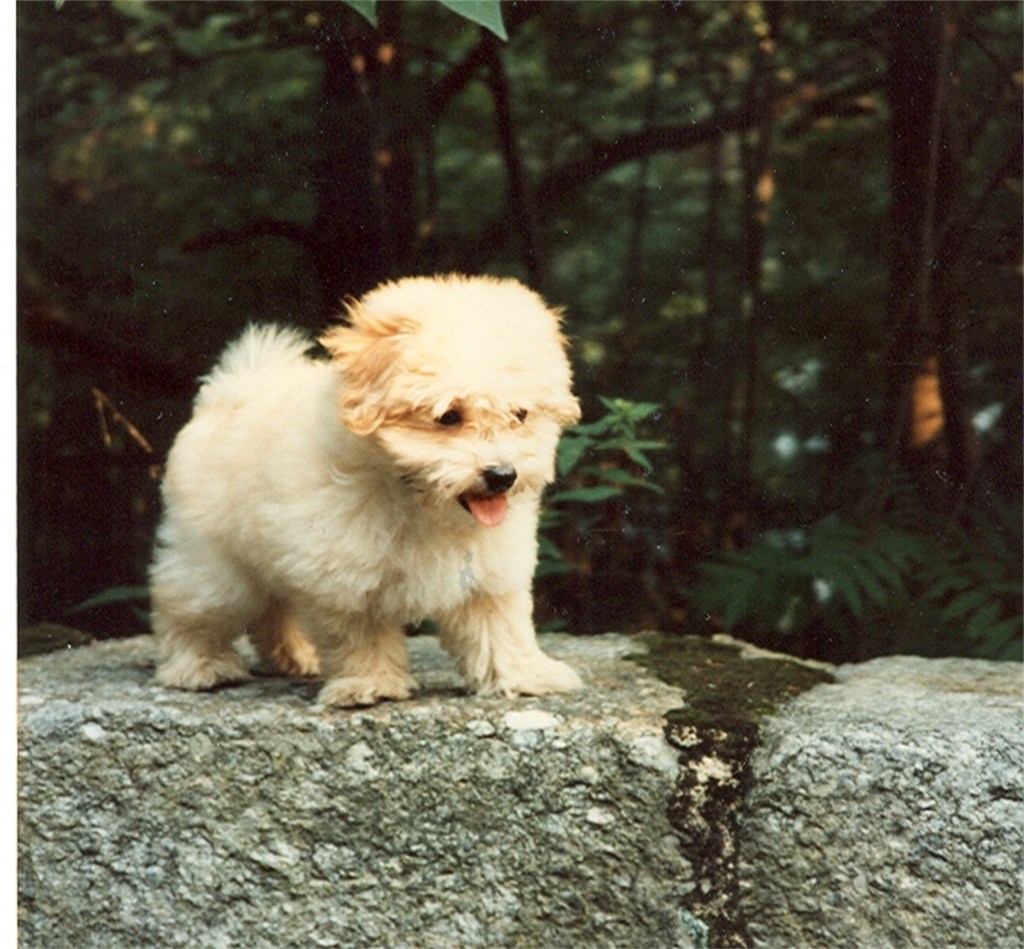
Riley – Parsons Russell Terrier

Before you determine that your dog has separation anxiety, you must rule out medical issues that can cause the same symptoms. This will require a thorough examination by your veterinarian. The examination should check for the following:

CBC, Chemical profile, thyroid profile, urinalysis and fecal exam, dental health, GI distress, diabetes, renal failure, colitis, and inflammatory bowel disease.

After you have ruled out any medical reasons for your dog’s behavior you can then examine the behaviors.

Before you label your dog as having separation anxiety, you must determine if your dog is simply behaving as a normal dog. Puppies, chew and destroy things. Is your dog completely housebroken? Is something teasing your dog outside of your home, making him bark? Is your dog marking? Did you change his food or give him a treat that made him unable to wait to eliminate?

A dog can have various levels of separation anxiety. Like any fear or anxiety, it gets worse the longer the dog has it. Older dogs tend not to respond to treatment as well as younger dogs. Therefore, the behavior associated with separation anxiety will not just “go away” or get better with time. It will get worse until it could reach a level were the dog harms himself.

The symptoms are:

Pacing, drooling, vocalization, destructive behavior and inappropriate elimination of urine and feces, usually randomly throughout the house. Often the feces will have mucus in them and do not appear the same as normal stools.

If you determine that your dog does suffer from separation anxiety, it is best to contact a certified canine behavior consultant because the treatment can vary widely and should be tailored to your living arrangements and the dog’s needs. In some cases, medication may be necessary and, in that case, you would need to consult with a veterinarian behaviorist who understands which medications are best and how to administer the medications and how to wean your dog off of them. A non-veterinarian behavior consultant who understands the medications can work with your veterinarian.

The question that I am often asked is how can a person determine if a puppy is prone to separation anxiety. There is no hard and fast rule, but typically if a young puppy cannot be crated, it is often a good indication that the puppy is prone to separation anxiety.

Remember, the sooner you address the problem the better the chance you will be able to get it under control. All behaviors are learned very quickly. An example is a dog who becomes frightened of thunderstorms and as he experiences more storms, he learns that as the barometric pressure changes, a storm is coming and starts to shake before the storm arrives. He will even act as if a storm is coming when the pressure changes and no storm comes.

The breeds that are most likely to have separation anxiety are:

            Labrador Retriever

            Border Collie

            Cavalier King Charles Spaniel

            Jack Russell Terrier

            German Shepherd

            Australian Shepherd

            Bichon Frise

            Vizsla

To find a qualified behavior consultant go to www.iaabc.org
Cats, the new source for genetic research

Scientists use dogs and other animals to learn about genetically related diseases and illnesses that are common to animals and humans. By developing a cure for an animal disease, they often have breakthroughs for curing similar human diseases. One species that has been overlooked in this process is the common domestic cat.

Leslie says Lyons, of the Department of Veterinary Medicine & Surgery at the University of Missouri has explored this option. According to Lyons, cats can be an important asset in understanding the genetic “dark matter” that makes up 95% of DNA. Lyons has found that cats have genetic diseases that are related to the dysfunction of their genetic dark matter.

Lyons feels that cats could pay a role in developing precision medicine for genetic diseases. This could allow scientists and medical personnel to fix the actual gene and what the gene does instead of treating the symptoms.  

Deafness in Rottweilers

Researchers from the University of Helsinki and the Folkhalsan Research Center have located the variant in the LOXHD1 gene that causes deafness in Rottweilers. This type of deafness starts in puppyhood and progresses until the puppy is a few months old. The gene plays a key role in the function of the cilia of the cochlear sensory cells. Both humans and mice suffer from the same type of deafness.

The researchers also found deafness in mixed breed dogs that were part Rottweiler. The availability to test for the defect will help breeders avoid spreading this inherited deafness. Since this is a recessive issue, it will only occur in puppies if both the dam and sire have the gene.

Eradicating the defect will take the cooperation of all Rottie breeders. Those dogs that are mixed bred should not be used for breeding.

Author’s Note: It can be difficult to determine if a puppy can hear or not. Realize that dogs can feel sound, so it is important to carefully observe your puppy to determine if he is deaf. Especially if the puppy reacts to sound before he becomes totally deaf. To help dog owners determine if their puppy is deaf watch for a few signs. First, note if the puppy/dog only responds when he sees you. Do not assume if your puppy does not obey that he is being stubborn. Try clapping your hands behind the puppy when he cannot see you. If he does not react in any way, he may be deaf. A deaf dog will bark but usually only if he sees something. Watch to see if your dog looks at you or watches you more than usual. Remember that a deaf dog will rely on his other senses to navigate his world. You can successfully train a deaf dog but when they are in an unconfined area, they must be on a leash. A deaf dog is just as tempted to chase things, wander and stray as any other dog. Find a dog trainer that has experience training a deaf dog for help. If you suspect that your puppy is deaf, make an appointment with a veterinarian neurologist to have your dog tested so that you will know for sure if your dog is deaf or not. But most important, understand that a deaf dog can have a very safe and happy life.  

Cancer in Flat-coated Retrievers

Jacquelyn Evans and Elaine Ostrander, researchers at the National Human Genome Research Institute have identified two regions of the canine genome that cause 1/3 of the risk of hematological cancer in Flat-Coated Retrievers.   

While this type of cancer is rare in humans, it does affect one-in-five Flat-coated Retrievers. This research overlaps with two loci that have been associated with other blood cancers in Golden Retrievers.

Image from Pixabay

As is often the case, the results of this study may allow researchers to identify candidate genes that will help develop new diagnostics and therapeutics for humans as well as dogs.     

The relationship between dogs and their owners stress level

The researchers are Linköping University have determined that the stress level in a dog’s owner has an affect on their dogs. However, they took this study a step further than previous studies to see if the link between dogs and their owners was different for different breeds of dogs.

The first group of dogs were from hunting breeds that were bred to be independent. The second group were from ancient breeds such as the Shiba Inu, Basenji and Siberian Husky. They compared their recent study to a previous study of herding breeds.

They found that long-term stress was least likely to influence the ancient breeds. The hunting breeds showed links between the personality of the owner and their relationship to their dogs. The herding breeds had a unique synchronization with long term stress in their owners.

Author’s note: Research of this nature will help us explain and understand behavior and training issues that may arise between dogs and their owners. It is also worth considering when matching the right breed for a family or individual person. Not all people are a good match with each other, not all dogs are right for each person either.

Collecting DNA from the air

DNA has been collected in various way, including soil and water, now scientists have proven that environmental DNA (eDNA) can be collected from the air.

Both plants and animals shed DNA in the environment that they interact with. Dr. Elizabeth Clare, of the Queen Mary University in London has stated that ecologists and conservationists are always looking for non-invasive ways to monitor biological environments, collecting DNA from the air provides one way to do this.     

An added benefit to monitoring eDNA is that it will allow researchers to study the transmission of airborne diseases. What the study does not mention is how long the eDNA exists in the air. However, it is an interesting and beneficial step in the right direction that will benefit the health of all living things.

How high sugar affects memory in animals and people

Although this article is not specifically about animals, I thought it was important enough to include on my blog site.

A research team from the University of Georgia has conducted a study about how sugar affects the brain. I have quoted part of the article below. Based on this research I would caution pet owners, especially those people who have puppies that are slated to be working dogs, to watch the dog’s sugar intake. We do not know how this finding affects other animals. People who have younger children should be especially careful since they tend to share their treats with their pets which could significantly raise the pet’s sugar level.

“New research led by a University of Georgia faculty member in collaboration with a University of Southern California research group has shown in a rodent model that daily consumption of sugar-sweetened beverages during adolescence impairs performance on a learning and memory task during adulthood. The group further showed that changes in the bacteria in the gut may be the key to the sugar-induced memory impairment.”

Stem cell therapy for dogs

Associate Professor Shingo Hatoya from Osaka Prefecture University, and his team have developed a more reliable way to develop easy stem cell therapy for dogs.

Dempsey

This has paved the way for more research that will enable veterinarians to treat otherwise untreatable chronic and degenerative health issues in dogs. In the past, this was not as critical because dogs did not live as long. But with modern medicine, dogs are living longer and thus are suffering from age related conditions that exist more today than in the past.  

The research team feels that because dogs and humans share much of the same environment, the results of their research may have a ripple affect to humans since they share some genetic diseases.

Birds spread Lyme’s disease and ticks

A new study by Global Ecology and Biogeography with lead researcher Daniel Becker, a postdoctoral fellow at Indiana University developed a model that identified, with an 80% accuracy, the species of birds that spread Lyme’s Disease. They found 21 new species that spread the disease.

The research team found about 102 other studies that showed Lyme disease infection from ticks feeding on the birds. There were 183 species of birds that infect the ticks with Lyme’s. The birds have a broad range that spans the Americas, Africa, Asia and Oceania.

What this means is that even though the birds do not spread Lyme to people, the ticks on them can drop off of the bird into a garden or yard and then attach to a person. Because birds can fly great distances, they can spread Lyme’s disease to areas that previously did not have it or did not have a lot of it.

The study found that thrushes are the riskiest bird as well as perching birds and those that eat seeds and forage on the ground. 

Author’s note: Tick activity is always the strongest in the spring and fall where there are definite seasons. Always take precautions when outside, especially wearing long sleeves, long pants with your socks over the cuff of your pants. This prevents ticks from crawling up your pant legs. Use bug repellent and cover your head. After working outdoors, remove and wash all clothing and be sure to check your entire body for ticks.

Breeding dogs part three: types of breeders

The following is the third part in a series of eight articles about breeding dogs. Although it applies to a dog, it also applies to cats. People do not realize that there are cat mills which are similar to puppy mills. Note that these articles are based on my years of experience, my opinion and that I do not intend to refer to any individual. Please read the entire eight articles to glean a full understanding of breeding.

A top quality Havanese puppy

Part Three

There are six types of breeders.

  1. There is the ethical breeder who studies lines and has a goal that they hope to accomplish with a breeding. This goal can be for a litter who has a solid temperament. It could be for conformation showing, for a good working dog and a combination of qualities. It is important to understand that temperament and intelligence are the two qualities that make a dog a good pet or working dog. A dog who meets the conformation standard without a good temperament or intelligence is not a desirable pet or working dog.  

Ethical breeders are typically involved with a breed club or organization that monitors the ethics of the breeder. The ethical breeder does not produce multiple litters at one time and often only has one or two litters a year. They do not breed their dogs before they are tested for inherited issues or are under two years old. The ethical breeder will only breed those dogs who are worthy of breeding having been cleared of inherited issues and has been proven as a good show or working dog. Only exceptional dogs are bred. Ethical breeders work with the puppies from birth to placement so that they are socialized.

Ethical breeders often have waiting lists for puppies because their lines have been proven. They also only line breed or outcross. They rarely if ever inbreed.

The ethical breeder rarely makes a profit from their dogs due to the expenses of raising, testing and proving their dogs. Their litters are consistent in temperament, health and conformation. The ethical breeder will often guarantee the quality of their puppies.

Puppies from an ethical breeder are registered with a recognized registry. In the US this will be either the American Kennel Club or the United Kennel Club. In some cases, there are breed registries that are recognized as well. There are other registries that will register any type of animal and those that cater to the puppy mills. (See Registries Part 2)

  • The new breeder. Everyone has to start sometime. A small in-home breeder who is being mentored by an experienced breeder can be a quality, ethical breeder. Not every breeder has a large kennel. Most ethical breeders have a number of dogs that live in their house with them as pets. A home-raised puppy from an ethical breeder is the ideal place to get your puppy. The quality of the breeding is not measured by the number of dogs a breeder has, but by the care and goals of the breeder.
  • The commercial breeder mass produces puppies from a limited number of dogs. Their puppies are often registered with a national registry but the care and planning of the lines does not exist. Their goal is to make money so they often shortcut the testing and care of their dogs including the puppies. Their puppies are not from proven stock, are not consistent in temperament, health and conformation. These breeders will produce the breeds that are popular and likely to sell. They often produce a number of different breeds.
  • The puppy mill breeder. These people breed solely for profit. The dogs are often kept in cages and rarely given attention. They are not part of the family but viewed as livestock. They do no testing or planning and have no goals except to produce puppies and make money. Often these puppies are not pure and are not registered or if they are, they are registered with a non-recognized organization that supports puppy mills.

These puppies are often not consistent in temperament, conformation and are more prone to health issues.

  • The backyard breeder. This is the person who thinks they can make money from their pet. Due to a lack of understanding about breeding these puppies are one step away from the puppy mill breeder. The parents have no health testing, there is no consistency in the litter since they are randomly bred with no understanding of genetics. Because the backyard breeder does not understand all that is involved in producing and raising a quality dog, they do not take the precautions or socialize the puppies properly.
  • The last type of breeder is a rather recent phenomenon. This is the designer dog breeder. These people take two different breeds and try to create a dog of their own design. There is no consistency in the puppies that result because they do not have a solid goal. One of the excuses these people use is to create an allergy free dog. Because allergies are not a result of dog hair but of dander, this is not possible. All dogs have dander. Unfortunately, since there is no consistent conformation with designer dogs, there is no way other than a DNA test, to prove that the dogs are the mix that the breeder claims. I have had clients come to me with a dog that was supposed to be a Labradoodle and the dog grew up to be a terrier. Unfortunately, there is no way to guarantee the puppies and the buyer cannot know for certain that they are getting what they paid for. Also, it is unfortunate that these breeders charge as much or more for the mixed breed puppies as a buyer would pay for a well-bred puppy from an ethical breeder. These puppies are not registered or if they are, they are not registered with a recognized organization.

What is also important to consider is that a person who has a well-bred dog from an ethical breeder is not likely to cross this quality dog with another breed. Therefore, by default, many designer dogs are created from less desirable stock, often obtained from puppy mill breeders.