Food risks for dogs – Keep your dog safe during the holidays

As the Holidays approach, it is a good idea to review the dangers certain foods and spices are for dogs.

There are things that dogs should never eat and are especially at risk during the holidays. The list of what is dangerous to dogs continues to grow. Here are the top offenders that could seriously harm or even kill your dog.
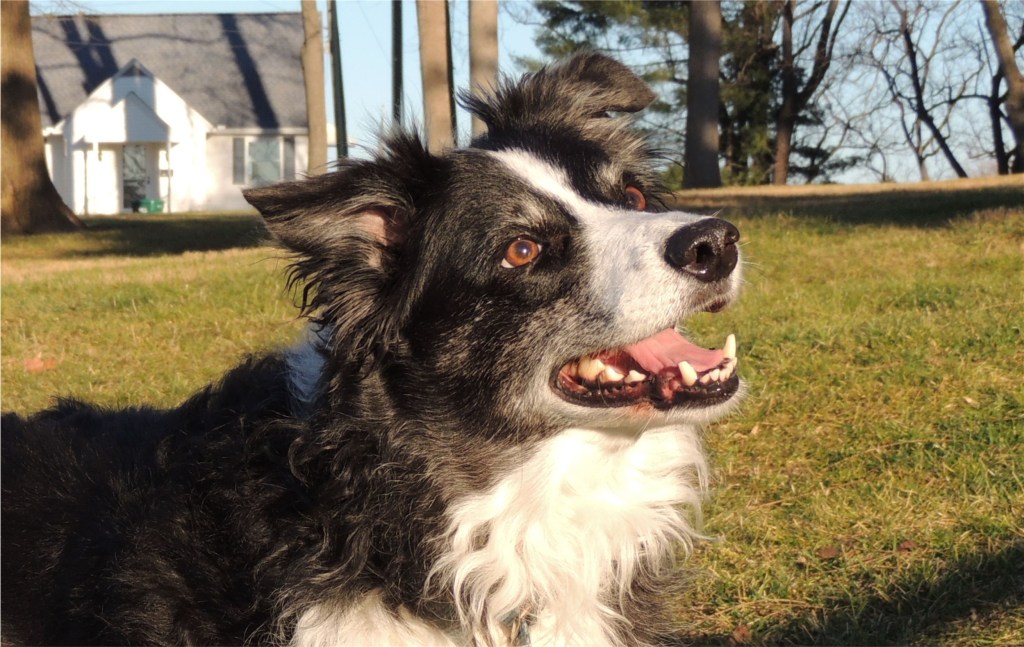
1. First and foremost are bones. Many people think that dogs eat bones but this is not true. In the wild, foxes, wolves and other members of the canine family will crack bones to eat the marrow but they rarely eat the bones. Bones are not digestible in a dog’s short intestinal tract and can puncture them internally. Fish and poultry bones are the most dangerous. However, I feel that no bone is good for a dog, especially the ones that are available in pet supply stores that have meat left on them. Those bones also can be contaminated with salmonella.

http://www.fda.gov/ForConsumers/ConsumerUpdates/ucm208365.htm

2. Raw or undercooked turkey which can have salmonella. Turkey in general can be too rich for many dogs and cause them to get sick.

3. Turkey skin is mostly fat and dogs can develop pancreatitis from too much fat, which by the way includes gravy. All meat fat should be on the no-no list for dogs.

4. During the holidays many people tend to bake more than usual. While this may be a special treat for us, cake batter and any cookie or cake dough is not good for dogs. Bread dough is especially dangerous because the dough can rise inside the dog’s stomach causing a lot of pain and even bloat. Not to mention the risk of salmonella from the raw eggs.

5. When I was a child we had a dog that loved beer. He would take the empty beer bottles between his paws and lick the last drops out. As funny as it was, no form of alcohol is good for dogs. If your dog drinks too much he can develop a fever, rapid heartbeat, have seizures and liver damage. Just as in humans, alcohol poisoning can kill a dog.

6. Macadamia nuts surprisingly are also bad for dogs. They can suffer from macadamia nut toxicosis which can cause them to become lethargic, vomit or be unable to stand up.

7. Mushrooms can be lethal for dogs as well. With all of the variety of mushrooms that are OK for humans to eat, it is best to keep all of them away from dogs. A dog can suffer from vomiting, seizures, coma and death from mushrooms.

8. Onions and garlic contain sulfides which can cause a dog to become anemic.

9. Sage contains a number of oils and resins that can upset a dog’s stomach and harm the dog’s nervous system. Many recipes include sage so it is a good idea to always check a recipe to see if it has sage in it.

10. Nutmeg is another spice that is harmful for dogs. This is a common ingredient in some pies and vegetable dishes such as sweet potatoes.  Nutmeg has some hallucinogenic properties that can cause seizures, tremors and problems with the central nervous system.  Again, check recipes to make sure that they do not contain nutmeg.

11. Chocolate is well known as having lethal affects on dogs. The darker the chocolate, the more dangerous it is. Baker’s chocolate used in recipes is very toxic.

12. While not considered a food, it is important to mention that rawhide, pigs ears, antlers and cow hooves are also potentially lethal for dogs. Not only can they be toxic, but they can block the dog’s intestines requiring surgery or even causing death.

         http://thebark.com/content/dangers-rawhide-dog-chew-toys

13. Artificial sweeteners such as those found in sugar free products, especially Xylito

http://usatoday30.usatoday.com/news/health/2007-03-18-xylitol-sweetener_N.htm

The best overall advice for the holidays or any other time of the year is caution. By being aware of what can harm your dog and preventing access to these items will keep your dog alive and happy. It is very important to understand that the smaller the dog, the less of the items above it will take to make your dog sick. But that does not mean that if you have a large dog it is ok to give them a little bit of the forbidden foods. There is always a chance for an allergic reaction to foods that are not suitable for dogs.
Pet Toys

Note: This article is my opinion, based on my experiences with many dogs, cats and birds.

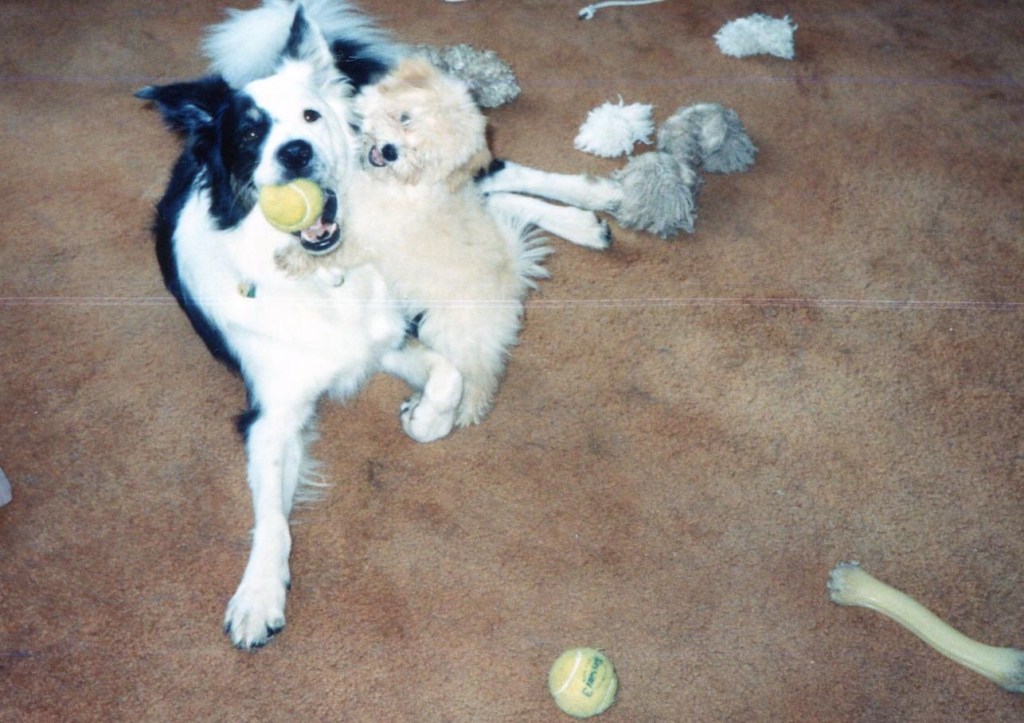
Pet owners spend a considerable amount of money on toys for their pets. Toys are important for pets; they give pets something to do and, in some cases, build the bond between the pet and owner. While I will refer mostly to dogs, this article applies to all pets.

It is important to realize that there is no regulatory body for pet toys. What that means is that manufacturers can use whatever material they choose to make pet toys. Unfortunately, many of the products that are available are not safe, either because of a chewing or a toxic substance risk.

When picking a toy for your pet, you should consider the type of animal it is and what it likes to do. Dogs like to fetch, toss and chew and shred toys. This satisfies their natural hunting instinct. Cats like to chase, pounce, carry and sometimes tear up toys.

Birds generally like to tear apart, peck and toss toys. Although many birds play with toys in various ways. I had a budgie who liked to “herd” plastic balls into a tight group.

When considering a toy for a pet, keep in mind that if there is a risk associated with the toy, the risk increases if the pet is small. This is because it takes less material to block their intestines and less toxins to make them sick or kill them. This is why a pet owner should carefully evaluate what toy they give their pet.

I feel that toys for dogs pose the most risks because dogs tend to chew and eat pieces of their toys more than other pets. Know how your dog likes to play with a toy before you pick one out for him. Some dogs will totally destroy a stuffed toy or a plastic one. Other dogs like to carry a toy around and will not destroy it. Many dogs are obsessed with getting the squeaker out of a toy that has one. My terrier is a squeaker killer. He will work on a toy almost endlessly until he gets the squeaker out. Then for the most part, he loses interest in the toy.

Puppies almost always chew a toy until it is destroyed and they are more likely to eat the pieces of the toy. For this reason, plastic toys are a higher risk for puppies. Regardless if your dog is a puppy or an adult, plastic toys in general are the highest risk.

Because dogs like to chew and destroy toys, they are less likely to play with the chew-proof variety of toy. Some of the hard nylon toys are coated with a scent and when the coating wears off, the dog loses interest in the toy. Stuffed toys pose a problem because the stuffing, which can be ingested and not digested. The stuffing in most dog and cat toys are fiber fill which is a form of plastic and can block intestines.

If a dog owner is going to give their dog one of the many products on the market designed to clean the dog’s teeth while they chew the toy, be sure to check the ingredients. Most dental chews for dogs are only 96% digestible. What is the other 4%? Some of these products have plastic in them to make them last longer.

Those chew products that are designed to be eaten, should break down in five to ten minutes when placed in water, if not, it is a high risk for your dog. These types of products can block a dog’s intestines. Because of a dog’s short digestive tract, these products do not have enough time to break down if they can break down at all.

This is also true of any rawhide product. I personally do not approve of any animal product such as cow hooves, pig’s ears and rawhide. These products are often treated with formaldehyde as a preservative and cured in arsenic. Many people think that rawhide comes from a butcher, but in reality, rawhide comes from a tannery. Also, keep in mind that any wild domestic canine does not eat bones, skin or hooves.

This is evident when you see a dead deer along the roadside. After everything, animal, bird and insect are finished feeding on the carcass, the things left are hide, hooves and bones. The main risks for letting a dog eat rawhide are contamination, choking hazard, and intestinal blockage. A number of pet related organization discourage giving dogs rawhide.

(https://m.facebook.com/PlanetPawsMedia/photos/a.114414471966777/883417478399802/?type=3&p=30)

Rope toys are acceptable if your dog does not chew them and swallow the threads. The safest rope toy is one made of cotton instead of nylon. Cotton has a better chance of breaking down if it is ingested whereas the nylon will not.

It is never a good idea to give a dog old shoes or slippers because of the chemicals used to make them. It is especially difficult for a puppy to understand that old shoes and slippers are OK to play with, but new shoes and slippers are not. If you insist on giving your dog rawhide remember that rawhide comes from a tannery and dogs have a very sophisticated sense of smell. Therefore, a dog of any age can smell the similarity between rawhide and other leather products, which include furniture, gloves, jackets and briefcases.

Bones are not a good choice for dogs either. Again, it is not natural for dogs to eat bones. Many of the “natural” bones have bacteria on them that can harm both dogs and people who handle them. Some of the stuffed bones that are treated can be safer for a dog who likes bones. The danger associated with bones are splinters from the bone and bacteria.

The bottom line is to know your dog. If a toy becomes small enough to swallow it should be taken away from the dog. By knowing your dog’s play habits you will be able to decide what toy is safe for them to play with. The best toy is one that allows you to interact with your dog, playing fetch games, chase games or whatever your dog likes. If you understand your dog’s breed, it will guide you to selecting the right toy for your dog. All dogs and cats can benefit from puzzle toys and treat dispensing toys. The main thing is to keep your pet safe and happy.

Home on a Budget: Simple Ways to Make Your Space More Dog-Friendly

by guest blogger, Cindy Aldridge cindy@ourdogfriends.org

You don’t have to spend thousands of dollars turning your home into a playground for your dog. The truth is, a little intention goes a long way when it comes to creating a space where your dog feels safe, engaged, and comfortable. Whether you’ve got a new puppy, an older rescue, or just a best friend who deserves better, there are plenty of smart, affordable ways to tweak your home and yard without blowing your paycheck. It’s not about fancy gadgets—it’s about small upgrades that speak your dog’s language.

A Cozy Corner Just for Them

Every dog needs a spot where they can relax and feel like it’s truly theirs. You don’t need to build a fancy indoor dog house or order custom furniture to make this happen. A cozy dog bed tucked into a quiet corner with a couple of old throw pillows and a soft blanket can go a long way. Add in a few favorite toys, and suddenly your pup has their own personal sanctuary without you spending more than twenty bucks.

DIY Dog Gates Without Breaking the Bank

Those sleek, adjustable pet gates you see online might be appealing, but you can build a perfectly functional one for a fraction of the cost. Repurpose an old baby gate, or even better—use scrap wood and a few hinges to create a simple swing gate. If you’re not too handy, tension rods and fabric panels can do the trick in smaller spaces. The goal is to create boundaries that keep your dog safe while still giving them room to move.

Freepik

Yard Patrol: Creating a Safe Outdoor Space

You don’t need a pristine backyard with a six-foot privacy fence to give your dog a good time outside. Start by checking for any gaps in your current fence—chicken wire and zip ties can help seal off escape routes on the cheap. Lay down inexpensive ground cover like mulch or pea gravel to reduce muddy paws and protect grass from turning into dirt patches. Even adding a few potted plants that are safe for dogs can create a more inviting and stimulating environment without requiring a landscaping budget.

Wiring Smarter Outdoors

If your dog loves spending time outside, exposed wiring or poorly placed outlets can quickly turn a good yard into a hazard zone. Moving outlets higher off the ground or away from chew-prone areas helps reduce risk, and rerouting exposed cables into conduit tubing adds a layer of protection your pup won’t be able to gnaw through. You can use a trusted app to hop on a video call and consult an electrician for advice who’ll walk you through your options, offering real-time solutions based on your setup. You’ll also be able to find local, background-checked pros who can handle the job in person.

Pallet Projects for Practical Pet Perks

Wood pallets are a goldmine for budget DIYers, especially when you’ve got a dog in the house. You can build everything from raised food bowls to outdoor platforms where your pup can perch or nap. Most of the time, you can find pallets for free behind grocery stores or warehouses—just be sure they haven’t been chemically treated. Sand them down, slap on some paint, and you’ve got a solid, dog-friendly project that looks good and costs next to nothing.

Keeping Them Cool in the Heat

Dogs can’t regulate heat as well as humans do, so giving them a place to cool off is key—especially if they spend a lot of time outdoors. You don’t need a fancy dog pool or air-conditioned dog house either. A kiddie pool from the dollar store works just fine for splashing around, and a cheap canopy or shade sail can keep the sun off their backs. Freeze water bottles or wet towels and place them in shaded spots to help them cool down even more when the temperature spikes.

Paw Protection Starts at the Door

If you’ve got hardwood floors or tile, your dog’s paws might take more of a beating than you realize. Rugs and runners—especially the kind with non-slip backing—can save your dog some strain and help prevent accidents. You don’t have to buy new ones; hit up thrift stores or check online marketplaces for gently used options. And for muddy days, setting up a small paw-washing station near the door with a bucket and towel can keep both paws and floors in better shape.

Entertainment Doesn’t Have to Cost a Thing

Keeping your dog mentally stimulated at home is just as important as getting them out for walks. You can make your own toys and puzzles out of things you already have—old T-shirts can be braided into tug toys, and cardboard boxes become treasure chests with a few treats hidden inside. Even simple games like hide-and-seek with treats around the house can engage their brain. It doesn’t take much money—just a little time and creativity.

You don’t need a huge budget or a brand-new home to make your space more comfortable for your dog. Most of the improvements that really matter come from understanding your dog’s needs and using what you already have to meet them. Whether it’s setting up a special nook for rest, keeping their paws safe, or giving them something to play with, the little things add up. What you’re really building is trust—and that’s more valuable to your dog than any fancy product ever could be.

Discover expert insights on animal behavior and training from Susan Bulanda, a certified consultant and author. Explore her blog for practical advice and inspiring stories that deepen your connection with pets.

Cats love secret hiding places

Cats enjoy boxes and other “secret” hiding places. But why? While no one knows for sure, some studies have shown when cats have boxes to hide in they have lower stress levels, especially cats in rescues or shelters.

Cats generally enjoy going behind, into, under and on top of things. It provides a way to explore, satisfy their curiosity, provide exercise and practice hunting skills. Anyone who has watched cats play have seen them hide behind something and then pounce on anything, (dog, cat or you) that goes by. This can be great fun for the cat. It is especially funny to see kittens do this and after they pounce on their victim, bounce away on their toes, as kittens do. Cats enjoy paper bags, especially if you make scratching noises with your finger nails on the outside of the bag and slowly move your finger along the bag.

Cats may enjoy going in small places such as boxes, to keep warm or bury themselves in something soft such as blankets or clothes in an open hamper. Some cats learn to head for the clothes that have just come out of the dryer and if they can, settle down for a long, warm nap.

A careful cat owner will keep their cat’s safety in mind as they play. This is especially true around holidays, birthdays and other events where there can be empty boxes, wrapping paper, plastic wrap around the house. Children may not see a cat hiding and step on them, especially a young kitten.

Cats can also chew boxes, wrappings, paper, ribbons, strings and other tempting non-cat toys which can result in a trip to the veterinarian. While it is fun to watch a cat or kitten play with these things, they should never have access to anything that can harm them. Even if the owner is there to supervise the cat/kitten, things can happen so fast that you cannot prevent them.

So instead of spending a lot of money on cat toys, once in awhile give your cat a box to play in or a paper or reusable shopping bag to hide in. Your cats will love you for it.

http://phys.org/news/2015-02-cat-stress-access.html

Indoor/outdoor cats and wildlife

Researchers studied 935 indoor/outdoor cats to determine how their hunting habits impacted local wildlife. They found that the cat’s hunting range was small, but the impact on the wildlife in their range was two to ten time more than wild predators. This is because their hunting was limited to their own property or into neighbor’s yards. It was also interesting to note that cats do more damage to wildlife in areas that have been disturbed by housing developments.

Sue’s Note: Many people think that cats need to roam outside. This is not true. Cats can be 100% happy and satisfied as a house cat if their needs are met. Different breeds of cats have different activity levels. Since many domestic short and long-haired cats have questionable parentage, their needs may have to be determined by how the cat acts. If a cat owner feels that their cat needs to go outside, there are products on the market that can confine a cat safely outdoors or in a cat designed window box. Keep in mind a cat that is allowed to roam outside freely becomes prey for other animals such as foxes, coyotes, wolves and free roaming dogs as well as other cats. If the cat is small enough, it may be snatched by birds of prey as well. Cats that eat or come in contact with wildlife are exposed to various parasites as well. For the benefit of local wildlife and for your cat’s well-being, it is better to keep them indoors or have safe access to the outdoors. Google outdoor cat enclosures to see the many products available.

Managing aggressive behavior in dogs

Dr. Emma Williams, from the School of Psychological Science at the University of Bristol has conducted a study about managing aggressive dog behavior. According to her research, aggression in dogs is a worldwide problem.

She found that animal behaviorists need to focus on helping dog owners feel confident that the rehabilitation program prescribed will work. Behaviorists must also ensure that the dog owner is capable of initiating and following through with the program. Behaviorists should not only focus on the behavior of the dogs, but also the behavior of the owner when developing a rehabilitation program. They found that when a dog acts badly toward a person or another dog, the dog’s owner may react with extreme negative feelings.

What they also found was that positive reinforcement-based behavior modification techniques were very effective in rehabilitating aggressive dogs while punishment-based methods were detrimental for the dog and led to increased aggression.       

Sue’s note: At the first sign of aggression, even in a puppy, the dog owner must consult with a certified canine behavior consultant. Too often dog owners feel that the dog will out-grow the aggression when in reality it always gets worse if not addressed immediately.

Raw meat diet in dogs associated with antibiotic-resistant bacteria

No matter what age the dog is, eating a raw meat diet causes them to pass antibiotic resistant Escherichia coli (E.coli) in their feces which can be transmitted to humans.

Researchers from the University of Bristol conducted an in-depth study of 823 dogs of all ages.

They found that dogs who lived in the country had a strong risk factor in passing antibiotic resistant E.coli but dogs who live in the city had more complicated risk factors that may be linked to the variety of lifestyles and exposure to other dogs.

E. coli is found in the intestines of both humans and animals and is a common cause of various diseases including urinary tract infection and can cause sepsis in other parts of the body.

The bottom line is that feeding raw meat to dogs is not safe for both the dog and humans. If a dog owner insists on feeding raw meat to their dog, they must be very careful of infection.

Finding a lost dog

Losing a dog can be devastating. A person’s first reaction is usually fear, confusion and panic. However, with a good plan in place, looking for a lost dog can be less stressful and more successful. There are a few simple points to consider when looking for a lost dog. However, prevention is the key ingredient. The most important thing you can do is have your dog microchipped and have a collar on your dog with his name tag that includes a way to contact you. If someone in your area finds your dog, they will not have a microchip reader and will rely on a name tag.

1) If you organize a group of people to look for the dog, use all safety precautions so that the volunteers do not become lost as well. Stay in touch using cell phones or handheld radios. The radios can be purchased for a nominal fee at any store that sells outdoor equipment. Radios will work in areas that cell phones may not, however, they have a limited range so be sure that a chain of people can relay messages over distance. Also, establish radio protocol so that one person does not tie up the frequency preventing communication with others. Communication is essential to let the other volunteers know what is going on, if the search is being suspended, or the dog has been found. Because people feel safer and calmer if they know what is going on, this will allow the volunteers to do a better job.

Be sure that volunteers wear the appropriate clothing, (long pants and long sleeves), hats, and substantial footwear. Each volunteer must carry a snack, water, leash, bath towel, bowl, enough water for themselves and the dog, canned cat food or treats and a flashlight. Flashlights are necessary during the day to check dark places.

The canned cat food should have the strongest aroma, (or a similar treat) to lure the dog. Small cans of cat food work well because they can be carried easily and kept fresh.

A bath towel can be used to carry the dog if he is injured, exhausted or to wipe the dog if he is wet or dirty. If the dog is cold, he can be wrapped in the towel.

Volunteers must always work in pairs for their own safety, and in the event two people are needed when the dog is found. A meeting area and time should be established in case communications break down. No one should leave the meeting area until all are accounted for.

2) A dog that ran away because he is frightened will bolt in any direction, but usually to the least noisy, darkest area. Given the choice of an open field or woods, the dog will go for the woods. If the dog is lost in the city or suburbs, the dog will look for a dark, quite spot to hide after it has run to exhaustion.

Therefore, try to estimate how far the dog will run (this varies with the dog’s size and condition) and add a mile to that. On a map of the area mark where you last saw the dog as the center of a circle and draw a perimeter around that point, based on the furthest point where the dog could be. The circle will encompass the area to start looking for the dog. If you saw the dog run, you can focus in that direction. Be sure to check small dark areas: under porches, stairs, garages, sheds, etc. If you have several people helping to look, have some start at the perimeter of the circle and some from the center. Be sure to look for the dog, never assume that the dog will come when called.

3) If a dog runs away, they usually run into the wind. That means that the wind will be blowing toward the dog, into the dog’s face. Check with a local airport to see what the wind direction was when the dog ran away. Then start looking into the wind from the point where the dog was last seen.  Often the wind will usually blow in the same direction in a given area. Check each day to see which way the wind blows.

Dogs who wander away will usually meander along unless they find something to chase or something that interests them. This means that the search area will be smaller. If searching in the woods or a park, look for a game trail and look for fresh dog tracks to see if the dog went that way. If you do find tracks, you will not be able to tell for certain if they are from your dog, so do not give up searching in the rest of the area. If you are searching in an urban or suburban area, listen carefully if neighborhood dogs are barking. Often, they will bark at a stray dog. If you hear a lot of barking in one direction, check that area first.

4) When searching for a dog, travel slowly and make frequent five to ten-minute-long stops. Many people will drive around in a vehicle, calling to the dog. Unless the dog is within a few seconds of your location, he will not be able to find you if you move too quickly. Keep in mind that a dog can hear you calling from quite a distance away. They need time to determine the direction of the sound and then get to it. Wind and other environmental elements can distort the direction of sound (tall buildings, large hills, etc.) making it difficult for the dog to find the source of the sound. By stopping and continuing to call for about five to ten minutes, the dog will have time to find you.

5) When you sight the dog, do not act excited and/or run toward the dog. Sit down or stand still and let the dog approach you, even if it is your dog. Sometimes a dog can become so frightened, hurt, or weary that they may not think straight. Their survival instincts may take over, making them more cautious than they would be at home. Depending upon the direction of the wind, you could be downwind, and the dog may not recognize you right away.

Give the dog time to feel safe. Running to the dog may make him run away from you and lose what little trust in humans that he has left. If you feel it will work, you can, at a distance, slowly move so that you are upwind of the dog, and then open the can of cat food, but still let the dog come to you. When the dog comes to you do not try to grab the dog. Let the dog stay there and relax. Slowly pet the dog until you can attach a leash without frightening the dog. If the dog does not want to be caught, you will most likely not be able to grab the dog fast enough to catch him, even if he is next to you.

6) If the dog does not approach you, do not give up. Stay in that area and/or return to that area. You can leave food etc. but do not try to catch the dog.

7) If you leave food for the dog, do not assume that because the food was eaten that it was eaten by the dog. Other animals may eat the food, so continue to search the area. If you can, spread sand around any food that you leave so that you can check for footprints to determine if a dog ate the food. If sand is not available, loose soil will work as well.

8) If you have to search for the dog over a period of time, keep a log of the weather and the location of water sources. The dog will generally head into the wind and seek water.

9) Never forget to advertise. Use every means possible to let the people in the area know that there is a lost dog. Contact all veterinarian clinics, shelters, pet supply stores, and rescue groups. Also post signs in stores with bulletin boards, on telephone poles, especially where children congregate, by public transportation and any other place that you can think of. Be sure to post on social media. If your dog is not found right away, about every two weeks call everyone you notified, such as the local rescue groups, to let them know that the dog is still missing. This will keep your dog fresh in the minds of the employees.

Always have an up-to-date photo of your dog. If the dog is a breed that looks like others in the breed, a similar picture will do. Remember, the average pet lover will not notice the fine differences between your dog and others of the same breed. So do not panic if you do not have a recent photo. Be sure to expand the area that you advertise to at least five miles from the point where you last saw your dog.

Keep all your bulletins up to date. If the lost signs that you post look old or weathered people will think the dog was found. When you find your dog, it is important to call all the organizations that you originally notified to let them know that the dog was found. Also remove all your postings.

10) Lastly, never give up. Dogs have been found months after they disappear.

Knee injuries in dogs

Dogs who compete in agility and flyball and lack core strength have a higher rate of cranial cruciate ligament rupture which is similar to ACL in people.

According to Dr. Deb Sellon, a Washington State University veterinarian, some types of exercises and the size and shape of the dog increase the risk of knee damage. The exercises that increased the risk were short walks, runs over hilly or flat terrain, even if done on a weekly basis. The exercises that seem to help build core strength are balance exercises, and wobble boards. Dogs that competed frequently in agility at a higher level (more technically rigorous courses) built more core strength.

good core strength for SAR training

Regular exercise such as swimming, playing fetch or frisbee, walking or running didn’t increase or decrease the risk of injury.

It seems that Labrador Retrievers, Rottweilers and Australian Cattle dogs were high risk breeds. The researchers also felt that having or not having a tail could be a factor.

Pet Toys

Note: This article is my opinion, based on my experiences with many dogs, cats and birds.

Pet owners spend a considerable amount of money on toys for their pets. Toys are important for pets; they give pets something to do and, in some cases, build the bond between the pet and owner. While I will refer mostly to dogs, this article applies to all pets.

It is important to realize that there is no regulatory body for pet toys. What that means is that manufacturers can use whatever material they choose to make pet toys. Unfortunately, many of the products that are available are not safe, either because of a chewing or a toxic substance risk.

When picking a toy for your pet, you should consider the type of animal it is and what it likes to do. Dogs like to fetch, toss and chew and shred toys. This satisfies their natural hunting instinct. Cats like to chase, pounce, carry and sometimes tear up toys.

Birds generally like to tear apart, peck and toss toys. Although many birds play with toys in various ways. I had a budgie who liked to “herd” plastic balls into a tight group.

When considering a toy for a pet, keep in mind that if there is a risk associated with the toy, the risk increases if the pet is small. This is because it takes less material to block their intestines and less toxins to make them sick or kill them. This is why a pet owner should carefully evaluate what toy they give their pet.

I feel that toys for dogs pose the most risks because dogs tend to chew and eat pieces of their toys more than other pets. Know how your dog likes to play with a toy before you pick one out for him. Some dogs will totally destroy a stuffed toy or a plastic one. Other dogs like to carry a toy around and will not destroy it. Many dogs are obsessed with getting the squeaker out of a toy that has one. My Parsons Russell Terrier is a squeaker killer. He will work on a toy almost endlessly until he gets the squeaker out. Then for the most part, he loses interest in the toy.

Puppies almost always chew a toy until it is destroyed and they are more likely to eat the pieces of the toy. For this reason, plastic toys are a higher risk for puppies. Regardless if your dog is a puppy or an adult, plastic toys in general are the highest risk.

Because dogs like to chew and destroy toys, they are less likely to play with the chew-proof variety of toy. Some of the nylon toys are coated with a scent and when the coating wears off, the dog loses interest in the toy. Stuffed toys pose a problem because the stuffing, which can be ingested and not digested. The stuffing in most dog and cat toys are fiber fill which is a form of plastic.

If a dog owner is going to give their dog one of the many products on the market designed to clean the dog’s teeth while they chew the toy, be sure to check the ingredients. Most dental chews for dogs are only 96% digestible. What is the other 4%? Some of these products have plastic in them to make them last longer.

Those chew products that are designed to be eaten, should break down in five to ten minutes when placed in water, if not, it is a high risk for your dog. These types of products can block a dog’s intestines. Because of a dog’s short digestive tract, these products do not have enough time to break down if they can break down at all.

This is also true of any rawhide product. I personally do not approve of any animal product such as cow hooves, pig’s ears and rawhide. These products are often treated with formaldehyde as a preservative. Many people think that rawhide comes from a butcher, but in reality, rawhide comes from a tannery. Also, keep in mind that any wild domestic canine does not eat bones, skin or hooves.

This is evident when you see a dead deer along the roadside. After everything, animal, bird and insect are finished feeding on the carcass, the things left are hide, hooves and bones. The main risks for letting a dog eat rawhide are contamination, choking hazard, and intestinal blockage. A number of pet related organization discourage giving dogs rawhide. However, dried chicken feet and antlers are a better alternative than rawhide, pig’s ears and cow hooves.

Rope toys are acceptable if your dog does not chew them and swallow the threads. The safest rope toy is one made of cotton instead of nylon. Cotton has a better chance of breaking down if it is ingested whereas the nylon will not.

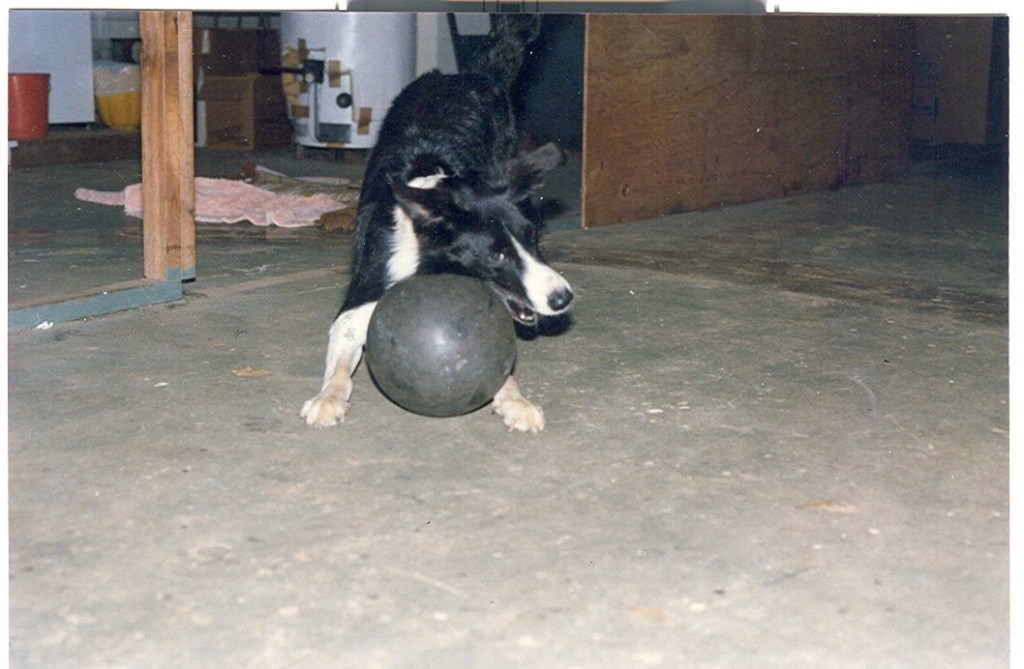
Ness’s favorite toy, an old bowling ball

It is never a good idea to give a dog old shoes or slippers because of the chemicals used to make them. It is especially difficult for a puppy to understand that old shoes and slippers, and rawhide products are OK to play with but new shoes and slippers are not. Keep in mind that rawhide comes from a tannery and dogs have a very sophisticated sense of smell. Therefore, a dog of any age can smell the similarity between rawhide and other leather products, which include furniture, gloves, jackets and briefcases.

Bones are not a good choice for dogs either. Again, it is not natural for dogs to eat bones. Many of the “natural” bones have bacteria on them that can harm both dogs and people who handle them. Some of the stuffed bones that are treated can be safer for a dog who likes bones. The danger associated with bones are splinters from the bone and bacteria.

The bottom line is knowing your dog. If a toy becomes small enough to swallow it should be taken away from the dog. By knowing your dog’s play habits you will be able to decide what toy is safe for them to play with. The best toy is one that allows you to interact with your dog, playing fetch games, chase games or whatever your dog likes. If you understand your dog’s breed, it will guide you to selecting the right toy for your dog. All dogs can benefit from puzzle toys and treat dispensing toys. Also think outside the box, you never know what a dog will take a fancy to as illustrated by our dog Ness.