Nurture Your Senior Pet with These Essential Care Strategies

by guest blogger Cindy Aldridge

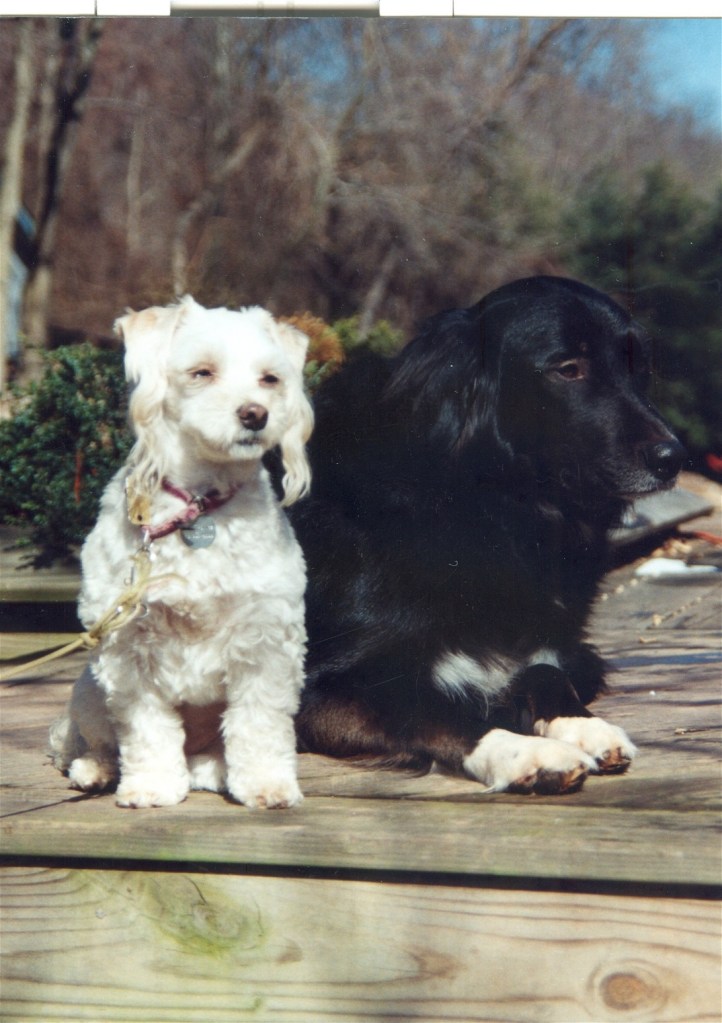
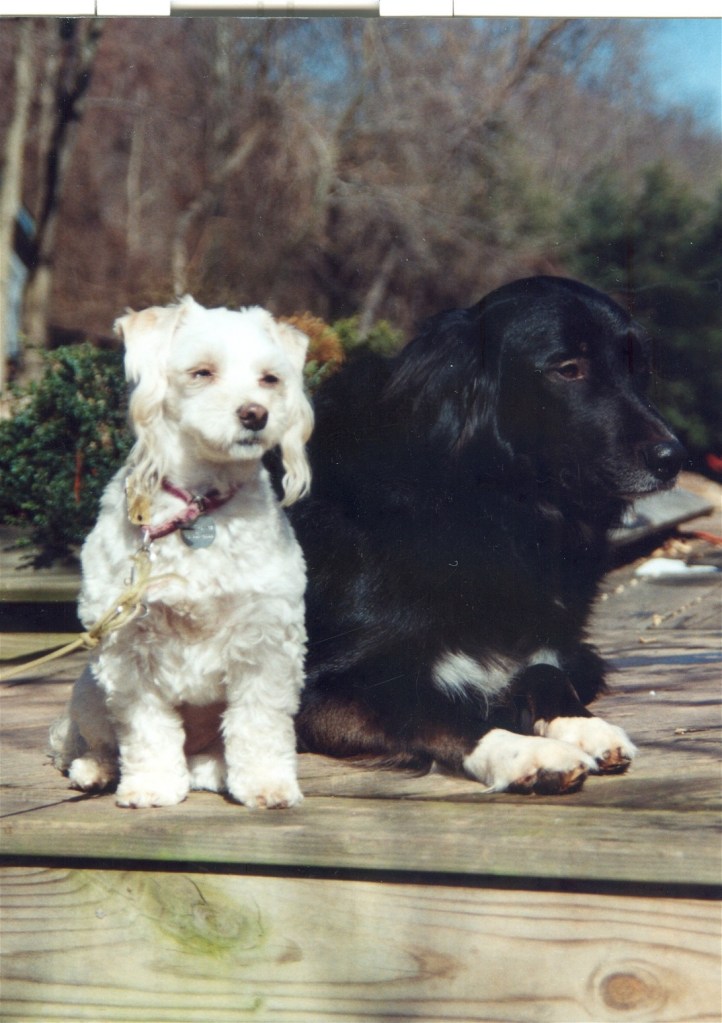
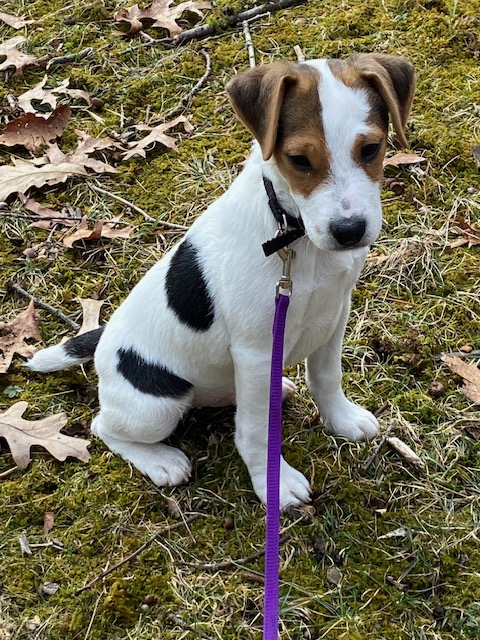
As your furry companion advances into their senior years, adapting your care approach becomes crucial for their well-being. This stage in their life calls for special attention to health, comfort, and happiness. This detailed guide, courtesy of Susan Bulanda, covers essential strategies to ensure your aging pet enjoys their later years to the fullest.  

Maximize Health with Regular Veterinary Check-Ups

Regular veterinary visits are crucial for senior pets. These appointments allow for early detection of common age-related issues such as arthritis, kidney problems, and vision loss. Timely intervention can significantly improve your pet’s quality of life. Additionally, veterinarians can offer advice on diet and exercise tailored to your senior pet’s specific needs, ensuring they remain healthy and active.

Safeguard Your Pet in the Great Outdoors

Creating a safe outdoor environment is essential for the well-being of senior pets. Installing a robust fence prevents your pet from wandering off and keeps unwanted animals out. Also, consider adding ramps for easy access, which are especially beneficial for pets with mobility issues. 

It’s also wise to document any improvements made to your outdoor space. If you plan to sell your home, taking before-and-after photos and retaining receipts can help demonstrate the added value these enhancements bring to your property. Keeping a close eye on your pet when they are outdoors is crucial too, as older pets may not be as alert to potential dangers, heightening their risk of accidents or getting lost.

Prioritize Dental Health

Effective dental care is a cornerstone of senior pet health. In addition to brushing and dental treats, regular professional cleanings can prevent serious dental issues. Neglecting dental health can lead to complications like heart disease or infections. Integrating dental care into your routine demonstrates your commitment to their overall health.

Maintain Grooming and Hygiene

Grooming is crucial for aesthetics and maintaining your senior pet’s health. Regular grooming sessions allow for the early detection of lumps, bumps, or skin conditions, which are more prevalent in older pets. It also serves as a bonding activity, offering comfort and reassurance. 

Further, these sessions are essential for ensuring your pet’s coat remains free from parasites and matting, which can cause discomfort and skin issues. Grooming is also a great time to check the flexibility and condition of your pet’s skin, which can indicate their overall health.

Ensure Adequate Hydration

Maintaining proper hydration is crucial in supporting kidney function and preventing urinary tract issues in senior pets. Placing multiple water bowls around your home encourages them to drink regularly. Regularly checking these bowls ensures they always have access to fresh water. 

A pet fountain can further encourage drinking by providing a continuous flow of fresh water, making it more appealing. Additionally, monitoring your pet’s water intake can indicate their overall health and alert you to potential issues.

Image via Freepik 

Stimulate Their Minds

Cognitive health is as crucial as physical health in senior pets. Engaging them in regular mental exercises can help delay the onset of cognitive dysfunction, similar to dementia in humans. Training sessions, learning new tricks, or engaging in scent games help keep their minds active and alert. 

These activities stimulate their brains and strengthen their bond with them. Consistent mental stimulation can also help maintain their senses and reflexes, which are vital for their overall well-being and quality of life.

Create a Comfortable Environment

Adapting your home to suit your senior pet’s needs is vital to their comfort. This includes providing orthopedic bedding to support their joints, ensuring easy access to their favorite spots, and maintaining a consistent indoor temperature. Remember that their tolerance for extreme weather conditions diminishes with age, so keeping them comfortable shows your deep understanding and care.

Wrapping Up

Caring for a senior pet means adapting to their changing needs with empathy and understanding. By focusing on these essential care strategies, you can ensure that your beloved companion enjoys their golden years in comfort and happiness. 

Your commitment to their well-being reflects the depth of your bond, making every moment you share even more precious. Remember that the love and care you provide during these years are invaluable, creating a nurturing environment for your senior pet to thrive.

Wooly Dogs — an extinct breed

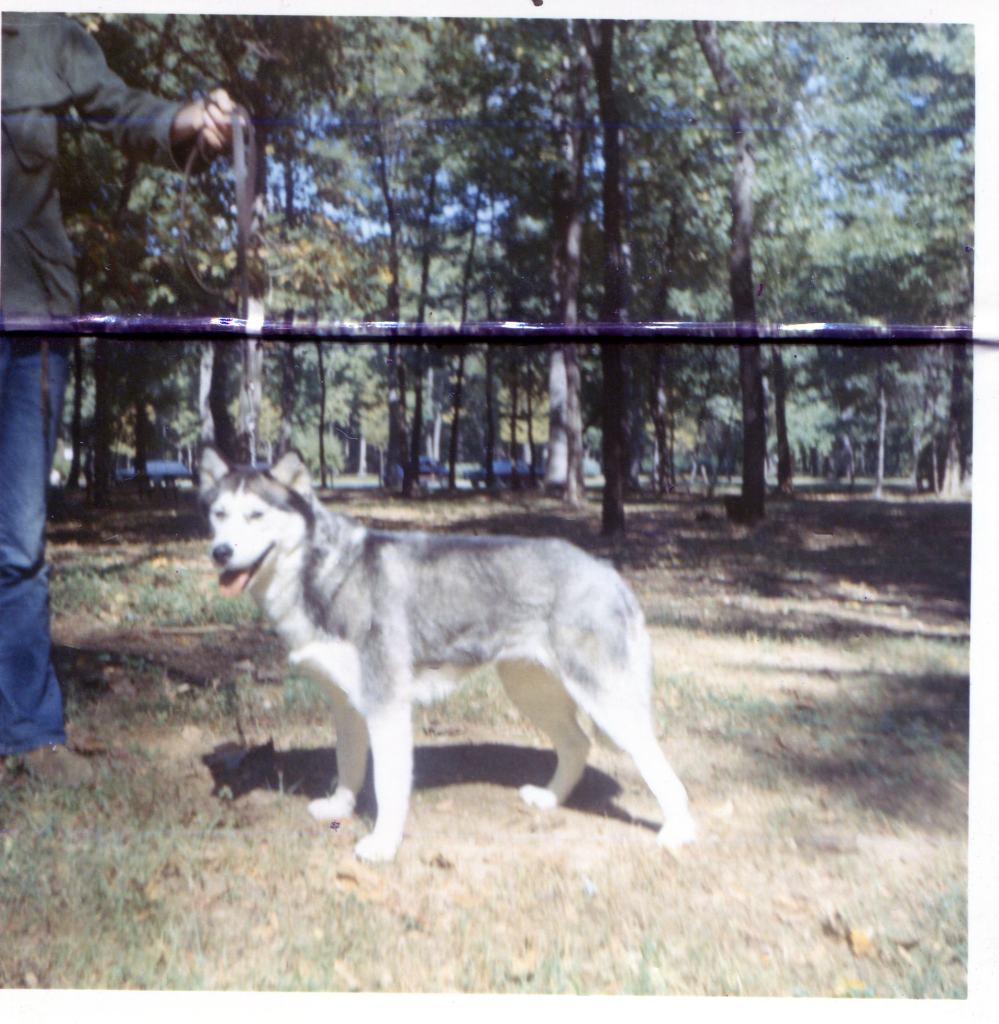
For the first time researchers from the Smithsonian’s National Museum of Natural History have discovered and then studied the only pelt known of a Wooly Dog named Mutton. Mutton’s pelt had been stored undiscovered at the museum for years.

Google free images

The Wooly dogs were carefully bred and maintained for thousands of years by the Indigenous Coast Salish communities in the Pacific Northwest (Coast Salish is located on both sides of the U.S.-Canadian border, in coastal British Columbia and Washington State.) They used the undercoat of these dogs in the same manner as other people used the wool from sheep and other wool-bearing animals, to make clothing, blankets and other items.

Based on the genetic data from Mutton’s coat, the team estimated that woolly dogs diverged from other breeds up to 5,000 years ago — a date that lines up with other archaeological discoveries from the region.

Mutton’s genetic makeup is similar to pre-colonial dogs from Newfoundland and the British Columbia. Their research indicates that Mutton lived decades after the introduction of European dogs, which shows that the Coast Salish people carefully bred and maintained this breed of dog.

It is not entirely clear why the breed disappeared; the most likely reason was the changing conditions of the people who depended on the breed. It only took a few generations for the breed to become extinct.

Journal Reference:

Audrey T. Lin, Liz Hammond-Kaarremaa, Hsiao-Lei Liu, Chris Stantis, Iain McKechnie, Michael Pavel, Susan sa’hLa mitSa Pavel, Senaqwila Sen̓áḵw Wyss, Debra qwasen Sparrow, Karen Carr, Sabhrina Gita Aninta, Angela Perri, Jonathan Hartt, Anders Bergström, Alberto Carmagnini, Sophy Charlton, Love Dalén, Tatiana R. Feuerborn, Christine A. M. France, Shyam Gopalakrishnan, Vaughan Grimes, Alex Harris, Gwénaëlle Kavich, Benjamin N. Sacks, Mikkel-Holger S. Sinding, Pontus Skoglund, David W. G. Stanton, Elaine A. Ostrander, Greger Larson, Chelsey G. Armstrong, Laurent A. F. Frantz, Melissa T. R. Hawkins, Logan Kistler. The history of Coast Salish “woolly dogs” revealed by ancient genomics and Indigenous KnowledgeScience, 2023; 382 (6676): 1303 DOI: 10.1126/science.adi6549

Cite This Page:

Smithsonian. “Researchers, Coast Salish people analyze 160-year-old indigenous dog pelt in the Smithsonian’s collection.” ScienceDaily. ScienceDaily, 15 December 2023. <www.sciencedaily.com/releases/2023/12/231215015450.htm>.

Sue’s Note: This is a good example of how quickly breeding practices or a lack of, can destroy a breed of dog, either by eliminating the breed or drastically changing the original instincts that made the breed what it was intended for. We see that today as illustrated by the difference between dogs in the same breed that are bred solely for work and those bred for looks or profit only.

Caffeine and decision making

Scientists at Staffordshire University conducted research on how caffeine impacts soccer players. They found that while ingesting caffeine before a game can improve the accuracy of passing the ball, it can have an adverse effect on tactical play.

The tests showed that participants who consumed caffeine scored 7.14% lower in decision making tests and their scores in the Loughborough Soccer Passing Test were 3.49% lower.

Researchers felt that more studies were necessary to fully understand the effects of caffeine on athletes.

Sue’s Note:  I know you are all wondering why I would include this study on my animal related blog. Well, I am not worried about animals ingesting caffeine and scoring low on computer tests, however, what did come to mind is how it affects people who have to make decisions and students who drink caffeine before tests to stay awake. Think about it, how many people start their work or school day with a big mug of coffee? (tea also has caffeine as well as sodas)

Journal Reference:

  1. Negar Jafari, Mohsen Salesi, Pooya Soltani, Davoud Fazeli. The effects of acute caffeine ingestion on decision-making and pass accuracy in young soccer players: A preliminary randomized controlled trialBehavioural Brain Research, 2024; 457: 114732 DOI: 10.1016/j.bbr.2023.114732

Cite This Page:

Staffordshire University. “Caffeine highs and lows soccer players should be aware of.” ScienceDaily. ScienceDaily, 11 December 2023. <www.sciencedaily.com/releases/2023/12/231211114550.htm>.

Starfish Learn without a brain

Brittle starfish are very shy, small starfish. They have no brain but they do have nerve cords that are in each of their five arms which join a nerve ring near their mouth. The lead researcher, Julia Notar, at the Sönke Johnsen’s lab at Duke University discovered that these starfish can learn using classical conditioning. Each nerve cord acts independently but work together as a committee according to Notar.

The starfish were kept in an aquarium and fed their favorite food, shrimp, only when the lights were dimmed. The starfish learned to come out of hiding as soon as the lights were dimmed, even before they were fed when there was no evidence of food in the aquarium.

Free google image Brittle starfish

Notar pointed out, “They’re potentially able to expect and avoid predators or anticipate food because they’re learning about their environment.”

Sue’s Note: The fact that they can learn about their environment means that they have the ability to remember as well as learn, if you cannot remember, you cannot learn. There has been evidence for many years that people who receive organ transplants sometimes show evidence of the behavior, likes and dislikes of the donor as a result of cell memory in the organ. This seems to be connected to learning without a brain.  (https://pubmed.ncbi.nlm.nih.gov/31739081/)

Journal Reference:

  1. Julia C. Notar, Madeline C. Go, Sönke Johnsen. Learning without a brain: classical conditioning in the ophiuroid Ophiocoma echinataBehavioral Ecology and Sociobiology, 2023; 77 (11) DOI: 10.1007/s00265-023-03402-x

Cite This Page:

Duke University. “Brittle stars can learn just fine — even without a brain.” ScienceDaily. ScienceDaily, 29 November 2023. <www.sciencedaily.com/releases/2023/11/231129174214.htm>.

Raw meat diet for dogs

Researchers at the University of Bristol found that feeding dogs raw meat increases the risk that they will pass a strain of E. coli that cannot be killed by the common antibiotic ciprofloxacin in their feces.

E. coli can cause food poisoning and is the most common cause of urinary tract and bloodstream infections which can be life-threatening.

According to researcher Matthew Avison, raw meat that is sold for human consumption and the meat used to feed dogs is likely to be contaminated with the antibiotic-resistant E. coli. While cooking the meat kills the E. coli, handling it exposes the person who is feeding their dog raw meat. It is also likely that the dog is passing E. coli in his feces.

Sue’s Note: Many advertisers try portray the dog as being a tame wolf and promote the idea that dogs need to eat like wild canines because it is their “natural diet.” The truth of the matter is that any wild animal can only eat the food that is available to them and it is not a balanced diet. Wolves, if they are lucky, can live to eight years of age. Some do live longer but not as long as domestic dogs. Foxes are lucky if they live three to four years. Many wild animals suffer from starvation, especially in the areas that have a cold winter.

Journal Reference:

  1. Jordan E. Sealey, Ashley Hammond, Kristen K. Reyher, Matthew B. Avison. One health transmission of fluoroquinolone-resistant Escherichia coli and risk factors for their excretion by dogs living in urban and nearby rural settingsOne Health, 2023; 17: 100640 DOI: 10.1016/j.onehlt.2023.100640

Cite This Page:

University of Bristol. “Feeding dogs raw meat increases the risk of antibiotic-resistant E. coli.” ScienceDaily. ScienceDaily, 20 November 2023. <www.sciencedaily.com/releases/2023/11/231120124109.htm>.

Plants can tell if they are being touched

Even though plants do not have nerves, they know when they are being touched and when the touching stops. Researchers at Washington State University conducted experiments and found that increase or decrease of pressure on internal cells in plants recognize touch. It also seems that any of the cells in plants react to touch not just certain ones. In past research, it was noted that when a caterpillar bites a plant leaf, the plant can respond with a defensive mechanism that repels the caterpillar. Also, brushing a plant triggers calcium waves that activate different genes. Scientists want to conduct further studies to understand plant sensitivity.

Journal Reference:

  1. Alexander H. Howell, Carsten Völkner, Patrick McGreevy, Kaare H. Jensen, Rainer Waadt, Simon Gilroy, Hans-Henning Kunz, Winfried S. Peters, Michael Knoblauch. Pavement cells distinguish touch from letting goNature Plants, 2023; DOI: 10.1038/s41477-023-01418-9

Cite This Page:

Washington State University. “Plants can distinguish when touch starts and stops, study suggests.” ScienceDaily. ScienceDaily, 31 May 2023. <www.sciencedaily.com/releases/2023/05/230531101953.htm>.

Rats have the ability to imagine

Researchers at the Howard Hughes Medical Institute Janelia Research Campus have discovered that rats have the ability to imagine. There findings indicate that just like people, animals can think about places and objects that they cannot see.

To determine this, they used a Brain Machine Interface and saw that rats showed specific neural activity patterns in the hippocampus area of their brain which is related to spatial memory. The researchers have determined that this function is necessary for an animal to remember past events and imagining future scenarios even if the animal is at a different location.  

Sue’ Note: While this research is important because it gives scientific proof that animals can remember the past and think of the future, it is obvious to me because if animals cannot do this, those in the wild would not survive. Our domestic animals would not be able to learn the things we teach them. An example that many of us have observed is the dog who knows what time a person is coming home and waits at the door, long before he could hear, smell or see the person coming. This is evident when the person is late and the dog at waiting at the normal time and illustrates the dog’s ability to anticipate the future. A famous example of this is Hachikō, an Akita who lived in Japan from 1923 to 1935 and went every day to the train station to wait for his master after his master died.

Journal Reference:

  1. Chongxi Lai, Shinsuke Tanaka, Timothy D. Harris, Albert K. Lee. Volitional activation of remote place representations with a hippocampal brain–machine interfaceScience, 2023; 382 (6670): 566 DOI: 10.1126/science.adh5206

Cite This Page:

Howard Hughes Medical Institute. “Rats have an imagination, new research suggests.” ScienceDaily. ScienceDaily, 2 November 2023. <www.sciencedaily.com/releases/2023/11/231102162557.htm>.

Cancer in Golden Retrievers

Researchers at the University of California, Davis have conducted a study to determine why some Golden Retrievers live longer when 65% of Golden Retrievers die at a younger age from cancer.

By studying dogs that lived longer rather than studying the cancer itself, they found a gene in the family of proteins that increased the life of Goldens by two years. This gene is also important in human cancer.

The researchers studied dogs that were alive at 14 years of age and those that died before 12 years of age. This finding is just one piece of the puzzle and more research needs to be done, but like many studies that involve animals, it will benefit people as well. It may also help other breeds of dogs who develop cancer.

Journal Reference:

  1. Robert B. Rebhun, Daniel York, Flora M. D. De Graaf, Paula Yoon, Kevin L. Batcher, Madison E. Luker, Stephanie Ryan, Jamie Peyton, Michael S. Kent, Joshua A. Stern, Danika L. Bannasch. A variant in the 5′UTR of ERBB4 is associated with lifespan in Golden RetrieversGeroScience, 2023; DOI: 10.1007/s11357-023-00968-2

Cite This Page:

University of California – Davis. “Can golden retrievers live longer?.” ScienceDaily. ScienceDaily, 19 October 2023. <www.sciencedaily.com/releases/2023/10/231019151809.htm>.

Scent and Memory

According to a study done by researchers at the UCI Center for the Neurobiology of Learning & Memory at the University of California, adults who were ages 60 – 85 who were suffering from some sort of mental impairment partook of the scent therapy test.  

The subjects of the study were given a diffuser and seven cartridges, each with a natural oil. The subjects used the diffuser each night when going to bed. The diffuser ran for two hours. The results showed that the group with the full-strength diffusers improved their cognitive skills by 226%.

Imagining showed that there was better integrity in the brain pathway called the left uncinate fasciculus, which connects the medial temporal lobe to the decision-making prefrontal cortex.

In addition to having better memory, the subjects said that they slept better, more soundly.

Sue’s Comments:  We know that essential oils have numerous benefits when smelled. For example, lavender is known for its calming properties. What this study brings to mind for me is the possible connection with scent work in dogs. There are many accounts of animals, dogs, elephants, and other animals, who recognize a person that they have not seen in years. Scent is one of the keys for this, indicating that there may be a connection similar to the findings in this study. Previous studies have shown that in dogs, scent is linked to sight, they are not separate in the dog’s brain. I would love to see further studies that involve this finding and how it might apply to animals. Would it be possible to help elderly animals in the same way. Dogs and other animals suffer from dementia the same as people.

Journal Reference:

  1. Cynthia C. Woo, Blake Miranda, Mithra Sathishkumar, Farideh Dehkordi-Vakil, Michael A. Yassa, Michael Leon. Overnight olfactory enrichment using an odorant diffuser improves memory and modifies the uncinate fasciculus in older adultsFrontiers in Neuroscience, 2023; 17 DOI: 10.3389/fnins.2023.1200448

Cite This Page:

University of California – Irvine. “Sweet smell of success: Simple fragrance method produces major memory boost.” ScienceDaily. ScienceDaily, 1 August 2023. <www.sciencedaily.com/releases/2023/08/230801131700.htm>.

Plants are smarter than you think

The concept of plants “thinking” and “communicating” are mind boggling to some people. The field of plant neurobiology is a fascinating subject that can stretch the imagination. While I normally do not post article of this nature, I wanted to share some of the research on this topic.

One of the latest articles that deal with plants has shown that plants feel pressure as well as a lack of pressure, and know the difference. Although they do not have nerves as we do, they still have a system that lets them know when something touches them and when the pressure is relieved.

Plants also communicate and support each other. For example, the mother tree will feed its saplings through the roots. This is how young saplings in deep forests survive. They are often in shaded areas where they cannot photosynthesize due to a lack of sunlight and depend on the parent tree to feed them.

If that is not enough, studies have shown that some plants (and perhaps all) have the ability to “hear” sounds. They detect certain frequencies and respond to them, yet ignore other frequencies.

When plants detect danger, such as a disease, they send out a signal to the plants around them who respond by preparing their own defense as a response.  

If you think about all of this, it expands the concept of communication and even relationships beyond what we experience. For me, it opens my mind to what animals can do, and that we have just scratched the surface in understanding the depth of their world.

I hope my readers have enjoyed my musings.

https://www.smithsonianmag.com/science-nature/the-whispering-trees-180968084/#:~:text=For%20young%20saplings%20in%20a,their%20roots%20through%20the%20network.

https://now.northropgrumman.com/can-plants-hear-the-science-of-sound-sensing-flora

https://www.ncbi.nlm.nih.gov/pmc/articles/PMC3405699/#:~:text=Plants%20emit%20volatile%20organic%20compounds,own%20defense%20weapons%20in%20response.

Journal Reference:

  1. Alexander H. Howell, Carsten Völkner, Patrick McGreevy, Kaare H. Jensen, Rainer Waadt, Simon Gilroy, Hans-Henning Kunz, Winfried S. Peters, Michael Knoblauch. Pavement cells distinguish touch from letting goNature Plants, 2023; DOI: 10.1038/s41477-023-01418-9

Cite This Page:

Washington State University. “Plants can distinguish when touch starts and stops, study suggests.” ScienceDaily. ScienceDaily, 31 May 2023. <www.sciencedaily.com/releases/2023/05/230531101953.htm>.