A new cancer treatment for dogs and cats

Researchers have found a new way to extend the life of terminally ill dogs who have cancer. This new form of chemoimmunotherapy repurposes stem cells that uses a non-viral gene delivery treatment instead of the usual virus treatment. The new method is safe has had great results.

The researchers treated 65 dogs and two cats who had either adenoma, lung metastasis or sarcoma. After three to eight weeks of treatment, 55 showed signs of positive response. Of that 14 had a full recovery. Two animals remained cancer free for at least 30 months and 46 enjoyed a good quality of life for 32 months. None of the animals treated had significant side effects.

The research team are conducting further studies and plan to research the possibility of using this treatment on humans.

Journal Reference:

  1. Yoon Khei Ho, Kin Man Loke, Jun Yung Woo, Yee Lin Lee, Heng-Phon Too. Cryopreservation does not change the performance and characteristics of allogenic mesenchymal stem cells highly over-expressing a cytoplasmic therapeutic transgene for cancer treatmentStem Cell Research & Therapy, 2022; 13 (1) DOI: 10.1186/s13287-022-03198-z

Cite This Page:

National University of Singapore, Yong Loo Lin School of Medicine. “Novel cancer therapy extends lives of terminally ill dogs.” ScienceDaily. ScienceDaily, 30 January 2023. <www.sciencedaily.com/releases/2023/01/230130112405.htm>.

Stress causes overeating in pets

Researcher Sora Shin, an assistant professor at the Fralin Biomedical Research Institute at Virginia Tech has discovered a molecule that triggers the need to eat high fat foods in mice 24 hours after being exposed stress in the form of the scent of cats.

This molecule is found in the hypothalamus section of the brain which is the part of the brain that is connected to changes in the brain that lead to emotional overeating.

 The same molecule is found in people as well as animals. This discovery may lead to treatment methods that can help people who react to the emotionally driven need to overeat, even when they are not hungry.

Sue’s Note: There are many animals, particularly dogs and cats that tend to overeat which result in them becoming obese. Pet owners who have pets that have this problem should consider stress as a factor that causes their pets to overeat. First be sure that the family or friends are not over feeding the pets. If this is not the case the pet owner should evaluate the possibility that stress may be a cause. Since the study showed that the effects of stress can cause overeating 24 hours later, the pet owner should consider events that happened in the last 24 hours. An example would be someone or something that passes the pet’s home when the owner is not home that causes high stress in the pet. In situations where stress is a factor, reducing the amount of food that the pet has access to may cause a greater amount of stress. In this case over the counter calming remedies may help the pet. If not a visit to your veterinarian would be in order explaining to the veterinarian that you suspect stress is a cause of the overeating. Print a copy of the article in the link below to show your veterinarian if necessary.

Journal Reference:

  1. In-Jee You, Yeeun Bae, Alec R. Beck, Sora Shin. Lateral hypothalamic proenkephalin neurons drive threat-induced overeating associated with a negative emotional stateNature Communications, 2023; 14 (1) DOI: 10.1038/s41467-023-42623-6

Cite This Page:

Virginia Tech. “Scientist discovers potential brain link between stress, emotional eating.” ScienceDaily. ScienceDaily, 27 November 2023. <www.sciencedaily.com/releases/2023/11/231127180702.htm>.

Unlock the Healing Power of Animal Companionship in Overcoming Addiction

by guest blogger Cindy Aldridge

Embarking on the path to overcoming addiction, you might discover solace and support in unexpected places. Among these, the companionship of pets stands out as a source of unconditional love and understanding. These furry friends offer companionship and become critical pillars in the journey toward sobriety, providing a unique form of support that nurtures emotional and physical well-being. Susan Bulanda shares more:

Providing Companionship and Sense of Purpose

In the throes of addiction recovery, the presence of a pet can imbue your life with a newfound sense of purpose and belonging. The unconditional love and unwavering companionship pets offer can fill the void of loneliness, giving you a reason to push forward. 

Their dependence on you for care and affection instills a routine and responsibility that can be incredibly grounding. This bond is crucial to the recovery process, offering a comforting presence that reassures and motivates you to continue healing.

Navigating Through Inpatient Treatment

When grappling with the complexities of addiction recovery, acknowledging the potential for relapse becomes pivotal. In such instances, opting for inpatient treatment emerges as a decisive choice, offering a structured and supportive setting for individuals navigating the trials of recovery. While concerns about the expense of rehabilitation may arise, it’s reassuring that numerous treatment centers readily accept health insurance from major providers. 

Mitigating financial worries requires proactive engagement with insurance companies to ascertain the extent of coverage. Selecting the right inpatient facility involves a multifaceted approach; start with this list of best rehab centers in the US. Take into account accommodations, accreditations, treatment approaches, location, and the testimonials of former patients. 

In parallel to choosing a rehabilitation center, it’s crucial to ensure your pet’s well-being by arranging temporary housing. Research local pet boarding facilities or consider pet-sitting services that can offer personalized care in your absence. Engaging with a trusted provider early on will give you peace of mind, knowing your furry friend is in safe hands while you focus on your recovery.

Alleviating Stress Through Pet Interaction

Petting or simply being near an animal has been shown to reduce stress and significantly lower cortisol levels. This interaction promotes a sense of calm and well-being, which is particularly beneficial during the unpredictability of addiction recovery. 

The routine of caring for a pet provides a distraction from stressors and a way to channel energy positively. This natural form of stress relief can make a significant difference in managing recovery’s emotional ups and downs, offering a peaceful respite in moments of turmoil.

Overcoming Loneliness with the Company of Pets

The companionship of a pet combats the loneliness and isolation felt during addiction recovery, offering comfort and a sense of security that diminishes the risk of relapse. Their simple, unwavering support lightens the complexities in human relationships, making the path to sobriety feel less intimidating. This bond is a constant reminder that you are never truly alone in your journey toward healing.

Fostering Emotional Healing Through Pet Bonding

Pets provide a unique outlet for emotional expression, offering a safe space to express feelings without fear of judgment or reprisal. This aspect of pet ownership can be particularly therapeutic during addiction recovery, where emotional vulnerability is often a key part of the healing process. Caring for an animal can help redirect focus from personal struggles to the well-being of another, facilitating a form of emotional healing that is both subtle and profound.

Promoting Physical Health and Activity

Engaging in physical activities with a pet, such as walking or playing, strengthens your bond and promotes your own physical health. This routine encourages regular exercise, which is an essential component of a healthy recovery process. The physical benefits of activity and the emotional support of pet companionship contribute to a holistic approach to overcoming addiction, enhancing mental and physical resilience.

Encouraging Mindfulness and Presence

Caring for a pet requires mindfulness and presence which can be incredibly beneficial during addiction recovery. This responsibility encourages you to live in the moment, focusing on your pet’s needs rather than dwelling on past mistakes or future anxieties. This mindfulness practice fosters a sense of peace and connection, grounding you in the present and supporting a more mindful, purposeful approach to recovery.

In the challenging journey of overcoming addiction, the companionship of pets offers a powerful source of healing and support. Beyond mere companionship, they provide love, purpose, and a unique form of unconditional support that can significantly impact your recovery process. As you navigate the path to sobriety, consider embracing the therapeutic power of pets to find strength, resilience, and comfort in their presence.

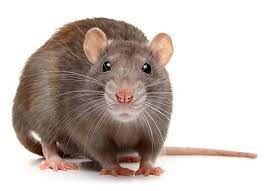
Rats have the ability to imagine

Researchers at the Howard Hughes Medical Institute Janelia Research Campus have discovered that rats have the ability to imagine. There findings indicate that just like people, animals can think about places and objects that they cannot see.

To determine this, they used a Brain Machine Interface and saw that rats showed specific neural activity patterns in the hippocampus area of their brain which is related to spatial memory. The researchers have determined that this function is necessary for an animal to remember past events and imagining future scenarios even if the animal is at a different location.  

Sue’ Note: While this research is important because it gives scientific proof that animals can remember the past and think of the future, it is obvious to me because if animals cannot do this, those in the wild would not survive. Our domestic animals would not be able to learn the things we teach them. An example that many of us have observed is the dog who knows what time a person is coming home and waits at the door, long before he could hear, smell or see the person coming. This is evident when the person is late and the dog at waiting at the normal time and illustrates the dog’s ability to anticipate the future. A famous example of this is Hachikō, an Akita who lived in Japan from 1923 to 1935 and went every day to the train station to wait for his master after his master died.

Journal Reference:

  1. Chongxi Lai, Shinsuke Tanaka, Timothy D. Harris, Albert K. Lee. Volitional activation of remote place representations with a hippocampal brain–machine interfaceScience, 2023; 382 (6670): 566 DOI: 10.1126/science.adh5206

Cite This Page:

Howard Hughes Medical Institute. “Rats have an imagination, new research suggests.” ScienceDaily. ScienceDaily, 2 November 2023. <www.sciencedaily.com/releases/2023/11/231102162557.htm>.

Scent and Memory

According to a study done by researchers at the UCI Center for the Neurobiology of Learning & Memory at the University of California, adults who were ages 60 – 85 who were suffering from some sort of mental impairment partook of the scent therapy test.  

The subjects of the study were given a diffuser and seven cartridges, each with a natural oil. The subjects used the diffuser each night when going to bed. The diffuser ran for two hours. The results showed that the group with the full-strength diffusers improved their cognitive skills by 226%.

Imagining showed that there was better integrity in the brain pathway called the left uncinate fasciculus, which connects the medial temporal lobe to the decision-making prefrontal cortex.

In addition to having better memory, the subjects said that they slept better, more soundly.

Sue’s Comments:  We know that essential oils have numerous benefits when smelled. For example, lavender is known for its calming properties. What this study brings to mind for me is the possible connection with scent work in dogs. There are many accounts of animals, dogs, elephants, and other animals, who recognize a person that they have not seen in years. Scent is one of the keys for this, indicating that there may be a connection similar to the findings in this study. Previous studies have shown that in dogs, scent is linked to sight, they are not separate in the dog’s brain. I would love to see further studies that involve this finding and how it might apply to animals. Would it be possible to help elderly animals in the same way. Dogs and other animals suffer from dementia the same as people.

Journal Reference:

  1. Cynthia C. Woo, Blake Miranda, Mithra Sathishkumar, Farideh Dehkordi-Vakil, Michael A. Yassa, Michael Leon. Overnight olfactory enrichment using an odorant diffuser improves memory and modifies the uncinate fasciculus in older adultsFrontiers in Neuroscience, 2023; 17 DOI: 10.3389/fnins.2023.1200448

Cite This Page:

University of California – Irvine. “Sweet smell of success: Simple fragrance method produces major memory boost.” ScienceDaily. ScienceDaily, 1 August 2023. <www.sciencedaily.com/releases/2023/08/230801131700.htm>.

Gene therapy to prevent pregnancy in dogs and cats

A Research team led by David Pépin, PhD, Associate Director of the Pediatric Surgical Research Laboratories at Massachusetts General Hospital, and an Associate Professor at Harvard Medical School has developed a gene therapy as an alternate to spaying and neutering animals. They are hopeful that this method will eventually be available to be able to control outdoor pet populations.

While this discovery is promising, the researchers have yet to develop the infrastructure to treat thousands of unowned feral cats. This will also give pet owners an alternative to traditional spay and neuter programs to prevent pregnancy in their pets.

What is interesting is this gene therapy was first used in people. Typically discoveries in animals help humans, in this case it is the reverse.

Journal Reference:

  1. Vansandt, L.M., Meinsohn, MC., Godin, P. et al. Durable contraception in the female domestic cat using viral-vectored delivery of a feline anti-Müllerian hormone transgeneNat Commun, 2023 DOI: 10.1038/s41467-023-38721-0

Cite This Page:

Massachusetts General Hospital. “Gene therapy produces long-term contraception in female domestic cats.” ScienceDaily. ScienceDaily, 6 June 2023. <www.sciencedaily.com/releases/2023/06/230606111636.htm>.

Those amazing whiskers

A study at Northwestern University has shown that rats determine the direction of the wind with their whiskers. Since many other animals such as dogs, foxes, coyotes and cats also have whiskers that are similar to those of a rat, is it possible that they also use their whiskers to determine the direction of the wind?

All wild animals also have to be aware of the direction of the wind to either find food or avoid being detected by predators. Therefore, the ability to determine the direction of the wind or even a slight breeze is a life and death skill. It seems reasonable that that they would use their whiskers as well as the movement of their fur to detect the direction of air movement.

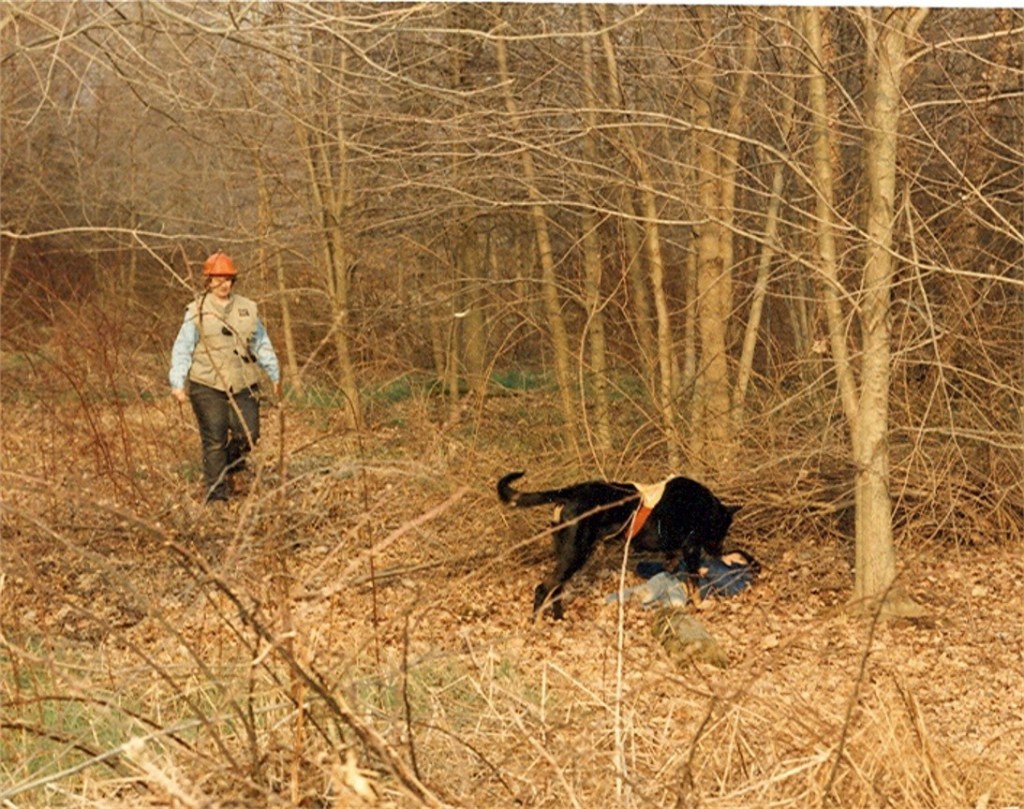
Sue’s Note: As a person who has trained many working dogs, I have seen dogs learn how to use the direction of the wind to find scent. It is quite an amazing thing to watch, and another example of how intelligent animals are.

Journal References:

Mitra J. Z. Hartmann et al. Whiskers aid anemotaxis in ratsScience Advances, August 2016 DOI: 10.1126/sciadv.1600716

Yan S. W. Yu, Matthew M. Graff, Mitra J. Z. Hartmann. Mechanical responses of rat vibrissae to airflowThe Journal of Experimental Biology, 2016; 219 (7): 937 DOI: 10.1242/jeb.126896


Cite This Page:

Northwestern University. (2016, August 24). Whiskers help animals sense the direction of the wind: First-ever study shows that rats use whiskers to locate source of airflow. ScienceDaily. http://www.sciencedaily.com/releases/2016/08/160824160248.htm

Can animals predict earthquakes?

People often claim that they notice animals acting differently before an earthquake. To study this, with the hope of using animals to predict earthquakes, a group of researchers from the Max Planck Institute of Animal Behavior in Konstanz/Radolfzell and the Cluster of Excellence Centre for the Advanced Study of Collective Behaviour at the University of Konstanz, have investigated whether cows, sheep, and dogs can actually detect early signs of earthquakes.

The researchers put sensors on the animals in an earthquake prone area of Northern Italy and studied their movements over several months. They found that the animals were unusually restless hours before an earthquake. They also noted that the closer the animal was to the epicenter the sooner they showed unusual behavior. In some cases, the animals showed unusual behavior up to 20 hours before the quake.

The researchers found that during the months they studied the animals there were, officially reported, 18,000 earthquakes in the region which included small hardly noticeable quakes to 12 with a strength of 4 or higher on the Richter scale.

The data implies that animals can predict earthquakes and the researchers are considering a global study to help develop an early warning system using a chip located on animals.

Journal Reference:

  1. Martin Wikelski, Uschi Mueller, Paola Scocco, Andrea Catorci, Lev V. Desinov, Mikhail Y. Belyaev, Daniel Keim, Winfried Pohlmeier, Gerhard Fechteler, P. Martin Mai. Potential short‐term earthquake forecasting by farm animal monitoringEthology, 2020; DOI: 10.1111/eth.13078

Cite This Page:

Max-Planck-Gesellschaft. “The sixth sense of animals: An early warning system for earthquakes?.” ScienceDaily. ScienceDaily, 6 July 2020. <www.sciencedaily.com/releases/2020/07/200706101837.htm>.

Cat’s can detect odors as well as a dog

Until now, no one has seriously studied a cat’s ability to detect odors. A collection of researchers found that when a cat takes in air, their nose divides it into two flow streams. One flow stream is cleansed and humidified which goes to the lungs and the other is sent quickly to the olfactory region. What the researchers found is that a cat’s nose is a highly efficient dual-purposed gas chromatograph. This makes the cat’s ability to detect odors equal with that of a dog.

The odor detection part of the cat’s nose acts very quickly so that the cat can determine what is food, foe or friend. The researchers feel that the discovery about how a cat can detect odors may inspire improvements to the gas chromatographs that are used today.

Journal Reference:

  1. Zhenxing Wu, Jianbo Jiang, Fritz W. Lischka, Scott J. McGrane, Yael Porat-Mesenco, Kai Zhao. Domestic cat nose functions as a highly efficient coiled parallel gas chromatographPLOS Computational Biology, 2023; 19 (6): e1011119 DOI: 10.1371/journal.pcbi.1011119

Cite This Page:

Ohio State University. “How the cat nose knows what it’s smelling: Study reveals function behind complex nasal structure.” ScienceDaily. ScienceDaily, 29 June 2023. <www.sciencedaily.com/releases/2023/06/230629193238.htm>.

Do animals have beliefs?

Based on the research by Dr. Tobias Starzak and Professor Albert Newen from the Institute of Philosophy II at Ruhr-Universität Bochum, yes, they do. Although it is not easy to prove, the research shows that chimpanzees, dogs, and some birds have beliefs. It stands to reason that if these animals do, others do as well.

According to the study for an animal to illustrate that they have beliefs, they must meet certain criteria. They must have information about the world; the animal must be able to use the information in a flexible manner; then that information is then internally structured into a belief with different aspects of that information being processed separately; and they must be able to recombine the components of the information in unique ways.

According to Albert Newen, flexible behavior which can be interpreted as caused by beliefs has been observed in chimpanzees, rats and Border collies.

Journal Reference:

  1. Albert Newen, Tobias Starzak. How to ascribe beliefs to animalsMind & Language, 2020; DOI: 10.1111/mila.12302

Cite This Page:

Ruhr-University Bochum. “What it means when animals have beliefs: Chimpanzees, some dog species and even scrub jay and crows have beliefs..” ScienceDaily. ScienceDaily, 17 June 2020. www.sciencedaily.com/releases/2020/06/200617145957.htm