Food risks for dogs – Keep your dog safe during the holidays

As the Holidays approach, it is a good idea to review the dangers certain foods and spices are for dogs.

There are things that dogs should never eat and are especially at risk during the holidays. The list of what is dangerous to dogs continues to grow. Here are the top offenders that could seriously harm or even kill your dog.

1. First and foremost are bones. Many people think that dogs eat bones but this is not true. In the wild, foxes, wolves and other members of the canine family will crack bones to eat the marrow but they rarely eat the bones. Bones are not digestible in a dog’s short intestinal tract and can puncture them internally. Fish and poultry bones are the most dangerous. However, I feel that no bone is good for a dog, especially the ones that are available in pet supply stores that have meat left on them. Those bones also can be contaminated with salmonella.

http://www.fda.gov/ForConsumers/ConsumerUpdates/ucm208365.htm

2. Raw or undercooked turkey which can have salmonella. Turkey in general can be too rich for many dogs and cause them to get sick.

3. Turkey skin is mostly fat and dogs can develop pancreatitis from too much fat, which by the way includes gravy. All meat fat should be on the no-no list for dogs.

4. During the holidays many people tend to bake more than usual. While this may be a special treat for us, cake batter and any cookie or cake dough is not good for dogs. Bread dough is especially dangerous because the dough can rise inside the dog’s stomach causing a lot of pain and even bloat. Not to mention the risk of salmonella from the raw eggs.

5. When I was a child we had a dog that loved beer. He would take the empty beer bottles between his paws and lick the last drops out. As funny as it was, no form of alcohol is good for dogs. If your dog drinks too much he can develop a fever, rapid heartbeat, have seizures and liver damage. Just as in humans, alcohol poisoning can kill a dog.

6. Macadamia nuts surprisingly are also bad for dogs. They can suffer from macadamia nut toxicosis which can cause them to become lethargic, vomit or be unable to stand up.

7. Mushrooms can be lethal for dogs as well. With all of the variety of mushrooms that are OK for humans to eat, it is best to keep all of them away from dogs. A dog can suffer from vomiting, seizures, coma and death from mushrooms.

8. Onions and garlic contain sulfides which can cause a dog to become anemic.

9. Sage contains a number of oils and resins that can upset a dog’s stomach and harm the dog’s nervous system. Many recipes include sage so it is a good idea to always check a recipe to see if it has sage in it.

10. Nutmeg is another spice that is harmful for dogs. This is a common ingredient in some pies and vegetable dishes such as sweet potatoes.  Nutmeg has some hallucinogenic properties that can cause seizures, tremors and problems with the central nervous system.  Again, check recipes to make sure that they do not contain nutmeg.

11. Chocolate is well known as having lethal affects on dogs. The darker the chocolate, the more dangerous it is. Baker’s chocolate used in recipes is very toxic.

12. While not considered a food, it is important to mention that rawhide, pigs ears, antlers and cow hooves are also potentially lethal for dogs. Not only can they be toxic, but they can block the dog’s intestines requiring surgery or even causing death.

         http://thebark.com/content/dangers-rawhide-dog-chew-toys

13. Artificial sweeteners such as those found in sugar free products, especially Xylito

http://usatoday30.usatoday.com/news/health/2007-03-18-xylitol-sweetener_N.htm

The best overall advice for the holidays or any other time of the year is caution. By being aware of what can harm your dog and preventing access to these items will keep your dog alive and happy. It is very important to understand that the smaller the dog, the less of the items above it will take to make your dog sick. But that does not mean that if you have a large dog it is ok to give them a little bit of the forbidden foods. There is always a chance for an allergic reaction to foods that are not suitable for dogs.

Pet Toys

Note: This article is my opinion, based on my experiences with many dogs, cats and birds.

Pet owners spend a considerable amount of money on toys for their pets. Toys are important for pets; they give pets something to do and, in some cases, build the bond between the pet and owner. While I will refer mostly to dogs, this article applies to all pets.

It is important to realize that there is no regulatory body for pet toys. What that means is that manufacturers can use whatever material they choose to make pet toys. Unfortunately, many of the products that are available are not safe, either because of a chewing or a toxic substance risk.

When picking a toy for your pet, you should consider the type of animal it is and what it likes to do. Dogs like to fetch, toss and chew and shred toys. This satisfies their natural hunting instinct. Cats like to chase, pounce, carry and sometimes tear up toys.

Birds generally like to tear apart, peck and toss toys. Although many birds play with toys in various ways. I had a budgie who liked to “herd” plastic balls into a tight group.

When considering a toy for a pet, keep in mind that if there is a risk associated with the toy, the risk increases if the pet is small. This is because it takes less material to block their intestines and less toxins to make them sick or kill them. This is why a pet owner should carefully evaluate what toy they give their pet.

I feel that toys for dogs pose the most risks because dogs tend to chew and eat pieces of their toys more than other pets. Know how your dog likes to play with a toy before you pick one out for him. Some dogs will totally destroy a stuffed toy or a plastic one. Other dogs like to carry a toy around and will not destroy it. Many dogs are obsessed with getting the squeaker out of a toy that has one. My terrier is a squeaker killer. He will work on a toy almost endlessly until he gets the squeaker out. Then for the most part, he loses interest in the toy.

Puppies almost always chew a toy until it is destroyed and they are more likely to eat the pieces of the toy. For this reason, plastic toys are a higher risk for puppies. Regardless if your dog is a puppy or an adult, plastic toys in general are the highest risk.

Because dogs like to chew and destroy toys, they are less likely to play with the chew-proof variety of toy. Some of the hard nylon toys are coated with a scent and when the coating wears off, the dog loses interest in the toy. Stuffed toys pose a problem because the stuffing, which can be ingested and not digested. The stuffing in most dog and cat toys are fiber fill which is a form of plastic and can block intestines.

If a dog owner is going to give their dog one of the many products on the market designed to clean the dog’s teeth while they chew the toy, be sure to check the ingredients. Most dental chews for dogs are only 96% digestible. What is the other 4%? Some of these products have plastic in them to make them last longer.

Those chew products that are designed to be eaten, should break down in five to ten minutes when placed in water, if not, it is a high risk for your dog. These types of products can block a dog’s intestines. Because of a dog’s short digestive tract, these products do not have enough time to break down if they can break down at all.

This is also true of any rawhide product. I personally do not approve of any animal product such as cow hooves, pig’s ears and rawhide. These products are often treated with formaldehyde as a preservative and cured in arsenic. Many people think that rawhide comes from a butcher, but in reality, rawhide comes from a tannery. Also, keep in mind that any wild domestic canine does not eat bones, skin or hooves.

This is evident when you see a dead deer along the roadside. After everything, animal, bird and insect are finished feeding on the carcass, the things left are hide, hooves and bones. The main risks for letting a dog eat rawhide are contamination, choking hazard, and intestinal blockage. A number of pet related organization discourage giving dogs rawhide.

(https://m.facebook.com/PlanetPawsMedia/photos/a.114414471966777/883417478399802/?type=3&p=30)

Rope toys are acceptable if your dog does not chew them and swallow the threads. The safest rope toy is one made of cotton instead of nylon. Cotton has a better chance of breaking down if it is ingested whereas the nylon will not.

It is never a good idea to give a dog old shoes or slippers because of the chemicals used to make them. It is especially difficult for a puppy to understand that old shoes and slippers are OK to play with, but new shoes and slippers are not. If you insist on giving your dog rawhide remember that rawhide comes from a tannery and dogs have a very sophisticated sense of smell. Therefore, a dog of any age can smell the similarity between rawhide and other leather products, which include furniture, gloves, jackets and briefcases.

Bones are not a good choice for dogs either. Again, it is not natural for dogs to eat bones. Many of the “natural” bones have bacteria on them that can harm both dogs and people who handle them. Some of the stuffed bones that are treated can be safer for a dog who likes bones. The danger associated with bones are splinters from the bone and bacteria.

The bottom line is to know your dog. If a toy becomes small enough to swallow it should be taken away from the dog. By knowing your dog’s play habits you will be able to decide what toy is safe for them to play with. The best toy is one that allows you to interact with your dog, playing fetch games, chase games or whatever your dog likes. If you understand your dog’s breed, it will guide you to selecting the right toy for your dog. All dogs and cats can benefit from puzzle toys and treat dispensing toys. The main thing is to keep your pet safe and happy.
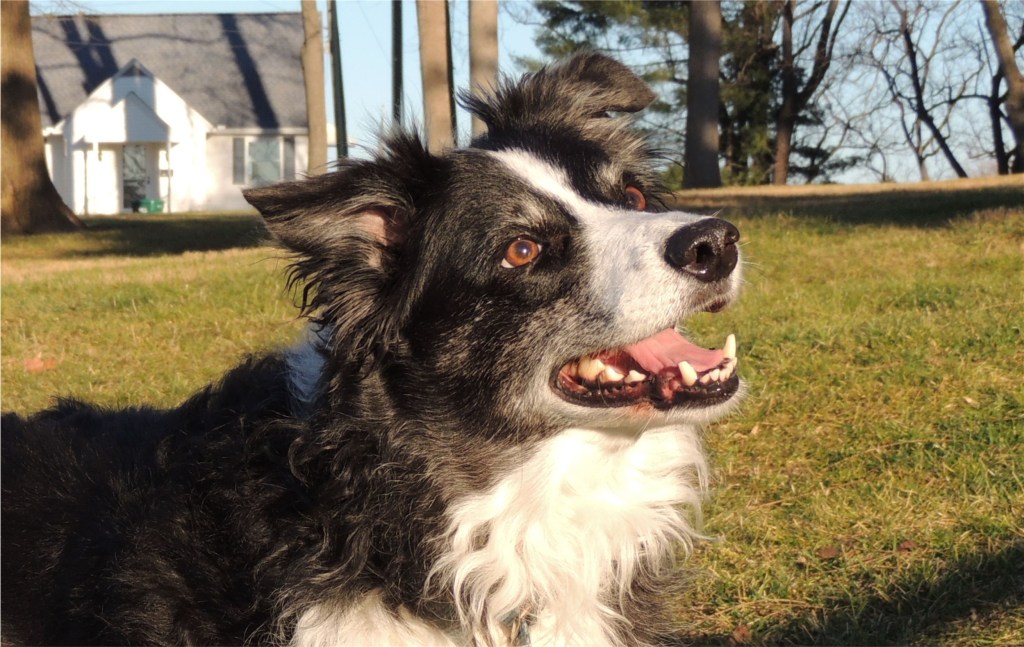
Hypertension in Dogs

Most people are familiar with hypertension in people also known as “high blood pressure” but how many of us know that about 10% of dogs have it too? The problem is that our dogs cannot tell us if they are not feeling well. Therefore it is our responsibility to look for symptoms that could be a result of high blood pressure.

There are two types of high blood pressure in dogs, primary and secondary. Humans are more likely to have primary high blood pressure, which is when there is no underlying cause. Secondary high blood pressure is when it is a result of a disease. Secondary high blood pressure is the most common one that affects dogs.

Unfortunately the signs for high blood pressure can also be signs of other medical problems in your dog. For example, high blood pressure can affect the eyes, central nervous system, heart and kidneys.

Typically there are no early signs of high blood pressure in dogs, sometimes the signs that we see are considered part of normal aging and could be overlooked.

Like humans, being obese is a cause of high blood pressure in dogs, and this is one thing that we can control. Regular exercise and keeping your dog’s weight at a normal level can help prevent high blood pressure.

Because the symptoms can be related to other medical issues, if you notice any change in your dog’s behavior, regardless of what age your dog is, a trip to the veterinarian is in order. In older dogs, do not assume that behavior changes are due to old age.

Some of the changes to look for are excessive drinking. Sometimes a dog owner will not know if their dog is drinking more water so another clue is if the dog has to urinate more often and/or larger amounts.

Changes in the dogs movement, how he walks, if he seems dizzy, or falls is another sign. The dog’s mental state, such as does he seem forgetful? Stand in a corner or seem to get lost?

Has the dog’s appetite changed? Is he less active? Does your dog pant excessively? Does he cough or seem short of breath? These are all symptoms that warrant an immediate visit to your veterinarian.

Sometimes changes happen gradually, therefore if your dog is a senior you should have your dog checked twice a year and ideally given a geriatric profile blood test. Keep in mind that being a senior depends on the breed of dog. Some breeds can live to be 18 and some do not live past ten. Therefore check with your veterinarian to determine at what age your dog needs a twice a year check up. The good news is that high blood pressure in dogs is treatable with medications.

http://www.akcchf.org/canine-health/your-dogs-health/caring-for-your-dog/hypertension-in-dogs.html

Do it yourself anti-cancer diet for pets

While this article is old, it does have important information for pet owners to consider. According to the article adding the Budwig diet to your pets daily diet can go a long way to prevent cancer in dogs and cats.

Some of the breeds that are more susceptible to cancer are:

Bengals (cats)
Boxers
Great Danes
Labradors and many of the Retriever breeds
Persians (cats)
Rottweilers
Saint Bernards
Scottish Terriers
Siamese (cats)

According to the article the following are some of the contributors to cancer:

Over-vaccination
Overuse of topical chemicals and flea and tick medications
Lawn treatment
Fluoridated water
Obesity
Certain pet food ingredients

Some of these pet food ingredients include:

Ethoxyquin
By-products
Dyes
Molds/fungi
Simple carbohydrates like corn, wheat, and soy

The diet was discovered by Dr. Johanna Budwig a German Biochemist. Dr. Budwig found that two ingredients helped prevent cancer.

Budwig Recipe:

2 tablespoons flaxseed oil, fresh, refrigerated

1/4 cup cottage cheese, organic

Mix together so that the cottage cheese is no longer oily. If it is still oily, add more cottage cheese.

Feed this mixture to your pet two or three times a day every day on an empty stomach. Wait one hour to feed a regular meal.

Every day. Feed 1-2 teaspoons for cats, up to ½ cup twice a day for large breed dogs.

Make fresh at each meal. Flax seeds can be used but should be ground fresh then mixed into cottage cheese.

A DIY anti-cancer recipe for your pet – Truth about Pet Food

Early spay or neuter in dogs

There is an on-going debate over spaying or neutering dogs before they reach maturity. In the United States, most veterinarians, shelters and rescue groups encourage dog owners to spay or neuter their dogs before or by six months of age, before a first heat for females. The AKC Health Foundation has been researching the pro’s and con’s of early spay/neuter in Golden Retrievers.

They have compared dogs that were spay/neutered before one year of age and after one year of age. What they have found so far is that the timing of spay/neutering had a significant effect on the health of the dogs. They found that early neutering of male dogs more than doubled the risk of Hip Dysplasia but did not have the same affect on female dogs.

Early spay/neuter increased the risk of cruciat ligament tear (CCL) and lymphosarcoma (LSA) in both sexes. Late spaying in females increased the risk of hemangiosarcoma (HAS) and mast cell tumor (MCT). Intact female dogs had no mast cell tumors.

As a result of this study, the AKC CHF is extending its research to include German Shepherd Dogs, Labrador Retrievers, Dachshunds, Rottweiler’s, Chihuahua’s, Standard and Miniature Poodles. 

The question remains, what should a dog owner do? No one wants to increase the risk of health issues in their pet.

First and foremost is talk to your veterinarian and ask them if he/she is aware of the most recent studies concerning the effects of early spay/neuter. After researching the facts, the dog owner must evaluate their ability to handle a dog that is not spayed or neutered. How the dog will behave depends in part on how well it is trained and its breed as well as its individual personality.

Some considerations are:

Should I wait until my dog reaches sexual maturity and then have the dog spayed/neutered?

If I have a female dog can I keep the dog safe from being bred until it reaches or passes sexual maturity?

Can I deal with the discharge that comes with the “heat” cycle?

Do I have a prevention plan with my veterinarian to take care of an unwanted, accidental breeding with my female dog?

Do I have a plan to deal with an unwanted litter of puppies?

Can I keep my dog, male or female under control to prevent them from wandering/escaping during a heat cycle?  Females will wander to spread their scent to try to lure a male and a male will run away to find a female when he picks up her scent.

Can I control my male dog to keep him from marking?

If my male dog has a tendency to be aggressive, can I handle the aggression (toward humans and other animals) that sometimes manifests itself in un-neutered male dogs?

These are just a few of the important decisions a dog owner should consider when deciding if they should have their dog spayed or neutered before sexual maturity or at all.

Sue’s Note: For many years people who own working dogs, such as Border Collies that are used for herding have said that if a dog is spayed/neutered before maturity that they do not work as well. Some people feel that the dog does not fully mature mentally if they are spayed before a first heat for females.

Chiari malformation in dogs

Chiari malformation is a painful skull malformation that affects many small breeds of dogs. This disorder is caused by the premature fusion of skull bones which causes parts of the brain to push through the opening of the back of the skull. This then causes fluid to build up in the spinal cord. It also affects 1 in about 1200 humans.

Researchers at the University of Surrey teamed up with a breeder of Brussel Griffon’s in the Netherlands to study an accidental breeding between her Brussels Griffon and her Australian Terrier.

The four-year study using MRI images of the canine family of Brussels Griffons, showed that with a onetime cross breeding and careful selection of future breeding for head shape, that the inherited problem could be corrected.

The resulting study, published in the PLOS journal, resulted in the Surrey researches teaming up with the geneticists at the University of Montreal to link the results with the dog genome.

What is promising is that the study will be linked to studies in humans, offering hope to the people who are affected by this disorder.

It is interesting to note that backcrossing a breed is not a new concept. It has been done with Dalmatians in an attempt to lower high uric acid in Dalmatians. Another goal of the backcrossing was to decrease the level of deafness found in Dals. 

http://www.dogheirs.com/dogheirs/posts/58-chiari-malformation-and-syringomyelia-symptoms

http://www.ninds.nih.gov/disorders/chiari/detail_chiari.htm

http://www.dalmatianheritage.com/about/schaible_research.htm

http://www.dalmatianheritage.com/about/nash_research.htm

Blindness in dogs–X-linked retinitis pigmentosa cured

A team from the University of Pennsylvania announced that they have cured X-linked retinitis pigmentosa, a blinding retinal disease in dogs when caught early. XLRP causes gradual vision loss starting at a very young age in dogs, often as early as five weeks. It is an inherited retinal disease.

http://ghr.nlm.nih.gov/condition/retinitis-pigmentosa

Continuing the research the veterinarian researchers found that the gene therapy helped dogs at 12 weeks of age (mid-stage disease) when about 40% of the eye’s photoreceptor cells were dead and then at 26 weeks of age (late-stage) when 50 – 60% of the cells were dead.  What the researchers found was that they were able to halt the degeneration of the photoreceptor cells in the treated area.

Now they’ve shown that they can cure the canine disease over the long term, even when the treatment is given after half or more of the affected photoreceptor cells have been destroyed.

To date, dogs have maintained their vision for over two years after treatment. This is very exciting because humans suffer from the same type of blindness. With that in mind, researchers are already examining human patients to determine how to treat their blindness and who might qualify for future treatments.

Again, man’s best friend is offering hope to humans who suffer from this type of cell death that causes blindness. Since this is an inherited disease, breeders should have their dogs examined by a certified canine ophthalmologist and register their dogs with the Canine Eye Registration Foundation, CERF. http://www.tctc.com/~maplerg/cerf-.htm   This will help researchers continue to develop cures for blindness as well as prevent the breeding of dogs who have this inherited disease.

http://www.sciencedaily.com/releases/2015/10/151012174519.htm?utm_source=feedburner&utm_medium=email&utm_campaign=Feed%3A+sciencedaily%2Fplants_animals%2Fdogs+%28Dogs+News+–+ScienceDaily%29

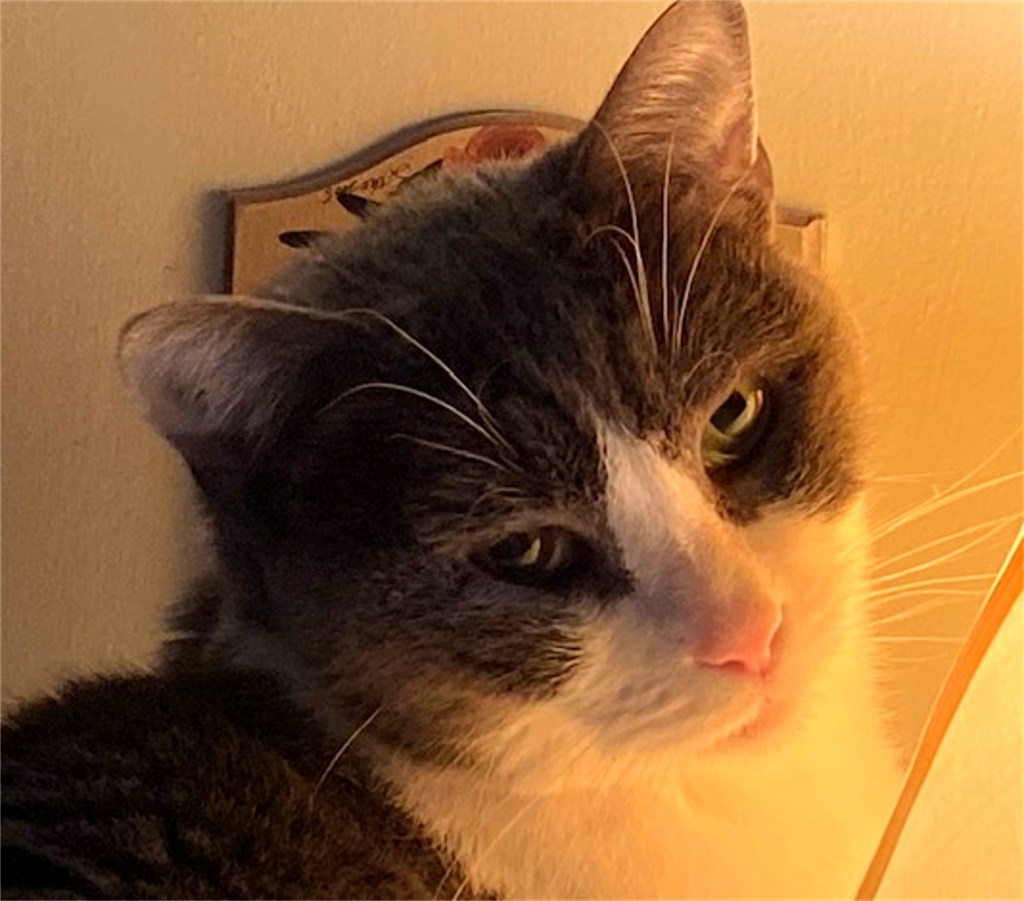
Sue’s Note: All pets who are blind can live a happy life. My cat is blind and is happy and safe. It helps if things are not moved around or left out in the open where the blind pet will bump into them. Blind pets should never be allowed outside unless they are in a fenced area or on a leash.

My blind cat, Mimi

New research about overeating

UCLA psychologists have discovered a circuit in the brain of mice that makes them crave food and seek it out, even when they are not hungry. What is interesting about this discovery is that when the group of cells is stimulated, the mice seek fatty and pleasurable foods such as chocolate instead of healthier foods such as carrots.

The area of the brain where the cells are located is called the periaqueductal gray which is in the brainstem. When these cells are stimulated, the mice are so driven to eat that they will endure foot shocks to get to the food. The opposite occurs when the researchers inject a virus that produces a protein that reduces the cells activity even hungry mice foraged less.

“Like mice, humans also possess vgat PAG cells in the brainstem. It could be that if this circuit is overactive in a person, they might feel more rewarded by eating or crave food when not hungry. Conversely, if this circuit is not active enough, they could have less pleasure associated with eating, potentially contributing to anorexia. If found in humans, the food-seeking circuit could become the treatment target for some kinds of eating disorders.”

Sue’s Note: If mice have this cluster of cells, it stands to reason that other animals have it as well. Could this be why some of our pets overeat and some have low appetites?

Journal Reference:

  1. Fernando M. C. V. Reis, Sandra Maesta-Pereira, Matthias Ollivier, Peter J. Schuette, Ekayana Sethi, Blake A. Miranda, Emily Iniguez, Meghmik Chakerian, Eric Vaughn, Megha Sehgal, Darren C. T. Nguyen, Faith T. H. Yuan, Anita Torossian, Juliane M. Ikebara, Alexandre H. Kihara, Alcino J. Silva, Jonathan C. Kao, Baljit S. Khakh, Avishek Adhikari. Control of feeding by a bottom-up midbrain-subthalamic pathwayNature Communications, 2024; 15 (1) DOI: 10.1038/s41467-024-46430-5

Cite This Page:

University of California – Los Angeles. “Craving snacks after a meal? It might be food-seeking neurons, not an overactive appetite.” ScienceDaily. ScienceDaily, 20 March 2024. <www.sciencedaily.com/releases/2024/03/240320122517.htm>.

Heart murmurs in dogs

Researchers at the University of Cambridge have perfected an algorithm that can accurately detect heart murmurs in dogs. A heart murmur is the main indicator of cardiac disease such as mitral valve disease. About one in thirty dogs develop this, especially small dogs such as the King Charles Spaniels. The algorithm was originally designed for use on humans, but the team was able to adjust the program to detect and grade heart murmurs in dogs.

In humans, mitral valve disease can only be corrected by surgery, but medication is available for dogs. This program will allow the general practitioner veterinarian to accurately determine if a dog has heart disease earlier and treat the dog, increasing its quality of life and longevity.   

Journal Reference:

  1. Andrew McDonald, Jose Novo Matos, Joel Silva, Catheryn Partington, Eve J. Y. Lo, Virginia Luis Fuentes, Lara Barron, Penny Watson, Anurag Agarwal. A machine‐learning algorithm to grade heart murmurs and stage preclinical myxomatous mitral valve disease in dogsJournal of Veterinary Internal Medicine, 2024; DOI: 10.1111/jvim.17224

Cite This Page:

University of Cambridge. “AI algorithm accurately detects heart disease in dogs.” ScienceDaily. ScienceDaily, 28 October 2024. <www.sciencedaily.com/releases/2024/10/241028211501.htm>.

Cancer in dogs

This article is loaded with a lot of important information, therefore I suggest that my readers click on the link and read the whole article.

Researchers at the University of California, Riverside have found that medium sized dogs have a higher risk of getting cancer than very large or small breeds of dogs. For example, the smallest dogs, including Pomeranians, Miniature Pinschers, Shih Tzus and Chihuahuas have about a 10% chance of dying from cancer.

On the other hand, large dogs, such as Burmese Mountain dogs, have more than a 40% chance of death from cancer. Yet the largest breeds such as the Great Dane have a less chance of getting cancer.

The article points out that scientists do not understand why the life expectancy of dogs decreases with size. “For every pound increase in typical breed size you lose about two weeks of life.”

What is interesting, is that this article points out that the ratio of cancer to size only applies to the same species, in this case dogs. The same correlation does not apply to size difference between other species.

Journal Reference:

Leonard Nunney. The effect of body size and inbreeding on cancer mortality in breeds of the domestic dog: a test of the multi-stage model of carcinogenesisRoyal Society Open Science, 2024; 11 (1) DOI: 10.1098/rsos.231356

Cite This Page:

University of California – Riverside. “Study reveals cancer vulnerabilities in popular dog breeds.” ScienceDaily. ScienceDaily, 29 April 2024. <www.sciencedaily.com/releases/2024/04/240429103104.htm>.