Jim McGetrick of the Konrad Lorenz Institute of Ethology, and colleagues conducted a study to determine of cooperative breeds react differently than independent breeds to unfair outcomes. The breeds that were selected for the study were:
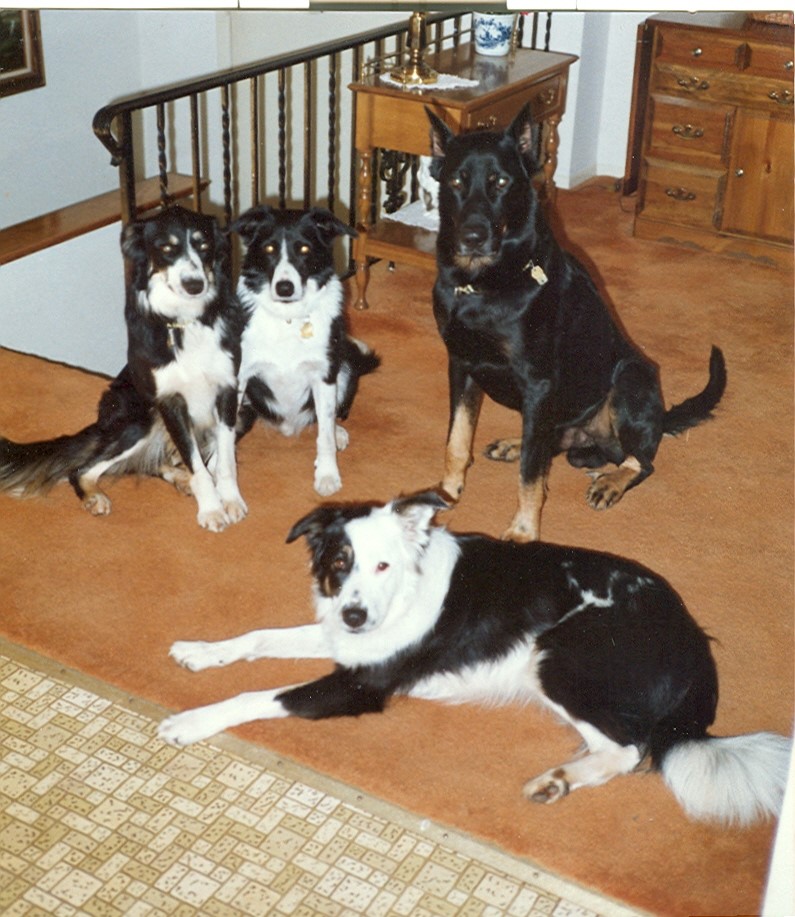
Cooperative breeds: Australian shepherds, border collies, Labrador retrievers, and rough collies.
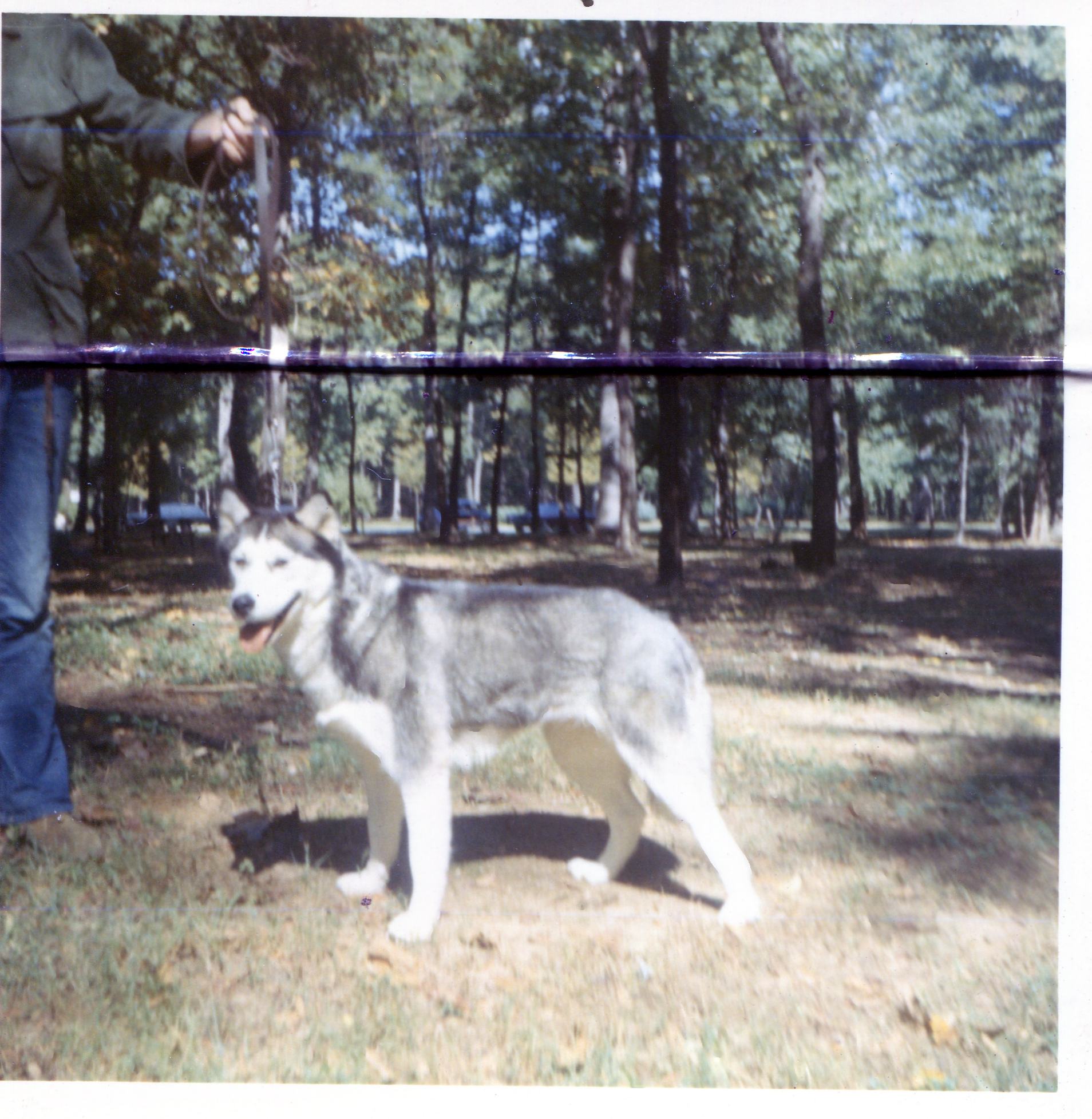
Independent breeds: akita inus, basenji, Siberian huskies, shiba inus.
The test involved asking the dog to give the paw, but only one dog was consistently rewarded. There was a difference between the two groups. The cooperative group tended to work longer than the independent group.
“Dogs from independent breeds gave their paw fewer times than did dogs from cooperative breeds, especially in the unrewarded conditions. In addition, dogs from cooperative breeds spent more time close to their partners when allowed to freely interact than did dogs from independent breeds.”
The authors of the study felt that the results showed that there is some evidence that there is a difference in basic breed groups, such as the tendency to work without rewards and general sociability. However, they felt that there was no significant difference between the groups in the extent of the negative response to inequity or in the impact of the inequity on subsequent social behaviors
Journal Reference:
Jim McGetrick, Désirée Brucks, Sarah Marshall-Pescini, Friederike Range. No evidence for a relationship between breed cooperativeness and inequity aversion in dogs. PLOS ONE, 2020; 15 (6): e0233067 DOI: 10.1371/journal.pone.0233067
Cite This Page:
PLOS. “‘Cooperative’ and ‘independent’ dog breeds may not react differently to unfair outcomes.” ScienceDaily. ScienceDaily, 17 June 2020. <www.sciencedaily.com/releases/2020/06/200617150038.htm>.
 A Blog by Susan Bulanda