Pet Toys

Note: This article is my opinion, based on my experiences with many dogs, cats and birds.

Pet owners spend a considerable amount of money on toys for their pets. Toys are important for pets; they give pets something to do and, in some cases, build the bond between the pet and owner. While I will refer mostly to dogs, this article applies to all pets.
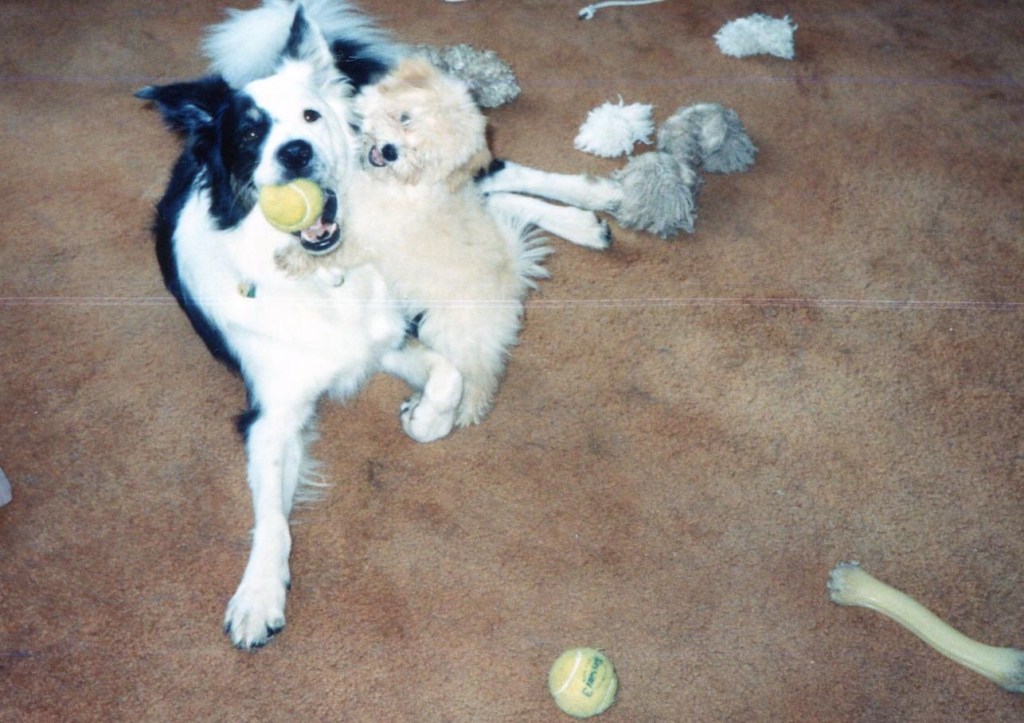
It is important to realize that there is no regulatory body for pet toys. What that means is that manufacturers can use whatever material they choose to make pet toys. Unfortunately, many of the products that are available are not safe, either because of a chewing or a toxic substance risk.

When picking a toy for your pet, you should consider the type of animal it is and what it likes to do. Dogs like to fetch, toss and chew and shred toys. This satisfies their natural hunting instinct. Cats like to chase, pounce, carry and sometimes tear up toys.

Birds generally like to tear apart, peck and toss toys. Although many birds play with toys in various ways. I had a budgie who liked to “herd” plastic balls into a tight group.

When considering a toy for a pet, keep in mind that if there is a risk associated with the toy, the risk increases if the pet is small. This is because it takes less material to block their intestines and less toxins to make them sick or kill them. This is why a pet owner should carefully evaluate what toy they give their pet.

I feel that toys for dogs pose the most risks because dogs tend to chew and eat pieces of their toys more than other pets. Know how your dog likes to play with a toy before you pick one out for him. Some dogs will totally destroy a stuffed toy or a plastic one. Other dogs like to carry a toy around and will not destroy it. Many dogs are obsessed with getting the squeaker out of a toy that has one. My terrier is a squeaker killer. He will work on a toy almost endlessly until he gets the squeaker out. Then for the most part, he loses interest in the toy.

Puppies almost always chew a toy until it is destroyed and they are more likely to eat the pieces of the toy. For this reason, plastic toys are a higher risk for puppies. Regardless if your dog is a puppy or an adult, plastic toys in general are the highest risk.

Because dogs like to chew and destroy toys, they are less likely to play with the chew-proof variety of toy. Some of the hard nylon toys are coated with a scent and when the coating wears off, the dog loses interest in the toy. Stuffed toys pose a problem because the stuffing, which can be ingested and not digested. The stuffing in most dog and cat toys are fiber fill which is a form of plastic and can block intestines.

If a dog owner is going to give their dog one of the many products on the market designed to clean the dog’s teeth while they chew the toy, be sure to check the ingredients. Most dental chews for dogs are only 96% digestible. What is the other 4%? Some of these products have plastic in them to make them last longer.

Those chew products that are designed to be eaten, should break down in five to ten minutes when placed in water, if not, it is a high risk for your dog. These types of products can block a dog’s intestines. Because of a dog’s short digestive tract, these products do not have enough time to break down if they can break down at all.

This is also true of any rawhide product. I personally do not approve of any animal product such as cow hooves, pig’s ears and rawhide. These products are often treated with formaldehyde as a preservative and cured in arsenic. Many people think that rawhide comes from a butcher, but in reality, rawhide comes from a tannery. Also, keep in mind that any wild domestic canine does not eat bones, skin or hooves.

This is evident when you see a dead deer along the roadside. After everything, animal, bird and insect are finished feeding on the carcass, the things left are hide, hooves and bones. The main risks for letting a dog eat rawhide are contamination, choking hazard, and intestinal blockage. A number of pet related organization discourage giving dogs rawhide.

(https://m.facebook.com/PlanetPawsMedia/photos/a.114414471966777/883417478399802/?type=3&p=30)

Rope toys are acceptable if your dog does not chew them and swallow the threads. The safest rope toy is one made of cotton instead of nylon. Cotton has a better chance of breaking down if it is ingested whereas the nylon will not.

It is never a good idea to give a dog old shoes or slippers because of the chemicals used to make them. It is especially difficult for a puppy to understand that old shoes and slippers are OK to play with, but new shoes and slippers are not. If you insist on giving your dog rawhide remember that rawhide comes from a tannery and dogs have a very sophisticated sense of smell. Therefore, a dog of any age can smell the similarity between rawhide and other leather products, which include furniture, gloves, jackets and briefcases.

Bones are not a good choice for dogs either. Again, it is not natural for dogs to eat bones. Many of the “natural” bones have bacteria on them that can harm both dogs and people who handle them. Some of the stuffed bones that are treated can be safer for a dog who likes bones. The danger associated with bones are splinters from the bone and bacteria.

The bottom line is to know your dog. If a toy becomes small enough to swallow it should be taken away from the dog. By knowing your dog’s play habits you will be able to decide what toy is safe for them to play with. The best toy is one that allows you to interact with your dog, playing fetch games, chase games or whatever your dog likes. If you understand your dog’s breed, it will guide you to selecting the right toy for your dog. All dogs and cats can benefit from puzzle toys and treat dispensing toys. The main thing is to keep your pet safe and happy.

Home on a Budget: Simple Ways to Make Your Space More Dog-Friendly

by guest blogger, Cindy Aldridge cindy@ourdogfriends.org

You don’t have to spend thousands of dollars turning your home into a playground for your dog. The truth is, a little intention goes a long way when it comes to creating a space where your dog feels safe, engaged, and comfortable. Whether you’ve got a new puppy, an older rescue, or just a best friend who deserves better, there are plenty of smart, affordable ways to tweak your home and yard without blowing your paycheck. It’s not about fancy gadgets—it’s about small upgrades that speak your dog’s language.

A Cozy Corner Just for Them

Every dog needs a spot where they can relax and feel like it’s truly theirs. You don’t need to build a fancy indoor dog house or order custom furniture to make this happen. A cozy dog bed tucked into a quiet corner with a couple of old throw pillows and a soft blanket can go a long way. Add in a few favorite toys, and suddenly your pup has their own personal sanctuary without you spending more than twenty bucks.

DIY Dog Gates Without Breaking the Bank

Those sleek, adjustable pet gates you see online might be appealing, but you can build a perfectly functional one for a fraction of the cost. Repurpose an old baby gate, or even better—use scrap wood and a few hinges to create a simple swing gate. If you’re not too handy, tension rods and fabric panels can do the trick in smaller spaces. The goal is to create boundaries that keep your dog safe while still giving them room to move.

Freepik

Yard Patrol: Creating a Safe Outdoor Space

You don’t need a pristine backyard with a six-foot privacy fence to give your dog a good time outside. Start by checking for any gaps in your current fence—chicken wire and zip ties can help seal off escape routes on the cheap. Lay down inexpensive ground cover like mulch or pea gravel to reduce muddy paws and protect grass from turning into dirt patches. Even adding a few potted plants that are safe for dogs can create a more inviting and stimulating environment without requiring a landscaping budget.

Wiring Smarter Outdoors

If your dog loves spending time outside, exposed wiring or poorly placed outlets can quickly turn a good yard into a hazard zone. Moving outlets higher off the ground or away from chew-prone areas helps reduce risk, and rerouting exposed cables into conduit tubing adds a layer of protection your pup won’t be able to gnaw through. You can use a trusted app to hop on a video call and consult an electrician for advice who’ll walk you through your options, offering real-time solutions based on your setup. You’ll also be able to find local, background-checked pros who can handle the job in person.

Pallet Projects for Practical Pet Perks

Wood pallets are a goldmine for budget DIYers, especially when you’ve got a dog in the house. You can build everything from raised food bowls to outdoor platforms where your pup can perch or nap. Most of the time, you can find pallets for free behind grocery stores or warehouses—just be sure they haven’t been chemically treated. Sand them down, slap on some paint, and you’ve got a solid, dog-friendly project that looks good and costs next to nothing.

Keeping Them Cool in the Heat

Dogs can’t regulate heat as well as humans do, so giving them a place to cool off is key—especially if they spend a lot of time outdoors. You don’t need a fancy dog pool or air-conditioned dog house either. A kiddie pool from the dollar store works just fine for splashing around, and a cheap canopy or shade sail can keep the sun off their backs. Freeze water bottles or wet towels and place them in shaded spots to help them cool down even more when the temperature spikes.

Paw Protection Starts at the Door

If you’ve got hardwood floors or tile, your dog’s paws might take more of a beating than you realize. Rugs and runners—especially the kind with non-slip backing—can save your dog some strain and help prevent accidents. You don’t have to buy new ones; hit up thrift stores or check online marketplaces for gently used options. And for muddy days, setting up a small paw-washing station near the door with a bucket and towel can keep both paws and floors in better shape.

Entertainment Doesn’t Have to Cost a Thing

Keeping your dog mentally stimulated at home is just as important as getting them out for walks. You can make your own toys and puzzles out of things you already have—old T-shirts can be braided into tug toys, and cardboard boxes become treasure chests with a few treats hidden inside. Even simple games like hide-and-seek with treats around the house can engage their brain. It doesn’t take much money—just a little time and creativity.

You don’t need a huge budget or a brand-new home to make your space more comfortable for your dog. Most of the improvements that really matter come from understanding your dog’s needs and using what you already have to meet them. Whether it’s setting up a special nook for rest, keeping their paws safe, or giving them something to play with, the little things add up. What you’re really building is trust—and that’s more valuable to your dog than any fancy product ever could be.

Discover expert insights on animal behavior and training from Susan Bulanda, a certified consultant and author. Explore her blog for practical advice and inspiring stories that deepen your connection with pets.

Must-Have Smartphone Apps for First-Time Dog Owners by guest blogger Penny Martin

adorable-animal-breed-356378

Photo Credit: Pexels


There are some basic materials  you need to be a great dog parent. This includes the right dog food, a quality leash and collar, ID tags, and a supportive, cozy bed, just to name a few. And in this day and age, there are apps that can help you keep your dog safe, organize information, and stay on top of health concerns.

However, you also need a reliable smartphone that is compatible with the latest dog apps and that provides fast internet service. If your current phone is not up to the task, consider getting an upgrade. There are plenty of options to choose from, so you’re bound to find a model that’s easy to use, fits your budget, and allows you to access your favorite apps.

If you want the highest-performing model, consider something dynamic with enhanced features—something with exceptional battery life that helps you to stay constantly connected. The new iPhone 11 Pro is such a device. It comes with impressive battery capacity, a triple-camera and a 5.67-inch display height, among many other features that makes it an excellent choice for dog owners. Or you might consider the Samsung Galaxy S10+, an Android option that includes a dual-aperture camera, long battery life, and enhanced integration with Windows systems.

THE APPS

Now, since using apps is a major benefit of having a good smartphone, let’s discuss some of the best dogs apps on the market:

FitBark

It’s exactly what it sounds like—the dog version of FitBit. When used in conjunction with FitBark dog activity monitors,  PCMag notes the FitBark app helps you to keep track of your pup’s daily activity and health status. Also, it tracks their sleep and will alert you of any activity that suggests your dog is dealing with stress and anxiety. It will even monitor how much your dog scratches in certain areas so that you can check them for a skin condition. And yes, you can connect the app to FitBit and exercise with Fido!

Whistle

Used with a tracker, the Whistle app  can monitor your dog’s daily activity and health. But its primary function is GPS tracking. By attaching the tracker to your pup’s collar, the Whistle app allows you to always know where your dog is, whether Fido is just in the backyard or has wandered off of your property. The app uses AT&T nationwide LTE-M network and Google Maps for easy and accurate tracking.

Chewy

As Best Company explains, the Chewy app  makes getting supplies for your dog as easy as possible. With more than 1,000 brands to choose from, Chewy will sell and deliver food, toys and other supplies to your door; and for orders of $50 or more, they provide free two-day shipping. When you create a profile for your pup, the app will show you the right kinds of food for his breed, and you can even set up automatic shipments to come each week or each month.

Pet First Aid

When it comes to preventing emergencies, and dealing with them if they happen, Pet First Aid  is the best app for dog owners. Developed by the American Red Cross, this app offers simple, step-by-step guides on how to treat Fido from home and routinely check on his health—including videos and graphics for some of the most common emergency and first aid situations. Furthermore, Pet First Aid provides information on preventative care and can direct you to nearby veterinary hospitals in the event of an emergency.

Becoming a dog parent is a big step in life. With the joys of your newfound companionship comes a host of responsibilities you may not be used to. But don’t worry, as long as you love dogs, you can be a great dog owner! Just make sure you have all your essentials and remember to take advantage of all the great dog apps available.

What’s in your dog’s treats?

Giada Morelli at the University of Padua in Italy and other researchers analyzed 32 popular dog treats that could be purchased in pet shops and supermarkets. They examined 5 biscuit types, ten tender treats, three meat-based strips, five bovine skin rawhides, twelve chewable sticks and six dental care sticks.

img106

They analyzed the ingredients based on the World Small Animal Veterinary Association (WSAVA) guidelines looking for the levels of minerals, starch, simple sugars (glucose, fructose and sucrose) and the amino acid hydroxyproline (a component of collagen).

What they found were rather surprising and should be a caution to dog owners. Seventy-six percent of the treats contained 4 -9 ingredients that were not specifically listed on the label. For example, the classification “cereal” was listed but not what kind. Treats that were made of meat had “meat and animal derivatives” listed instead of which meat and what animal derivatives.

About half of the treats listed “sugars,” and all of them had various amounts of minerals. The researchers suggested that further studies be done on a wider variety of treats and most important, that dog owners who have dogs with sensitivities or diseases should exercise extreme caution when selecting and giving their dogs treats since the ingredients could cause medical issues for those dogs.

While on the topic of treats and chews, to test if the treat or chew is safe for your dog, put a piece of it in water and if it does not dissolve in five to ten minutes, there is a good chance that it will not dissolve in your dog’s intestines and can cause bowel blockage. High on the list of items that cause bowel blockage are rawhide, bones and other hard, chew items.