According to a study done by William Chopik a professor at Michigan State University a dog’s life changes can influence their personality. His study has confirmed that dogs have moods and personality traits that shape how they react to situations.
The way you treat your dog and the activities that you do with your dog can influence the dog’s personality. He found that the sweet spot for training and shaping a dog’s personality is around six months of age.

Chopik plans to continue his study to see how the environment can change a dog’s personality. For example, a dog may behave one way in a shelter and if adopted into a loving home, may react differently. A previous study by Clive Wynne, professor of psychology and head of the Canine Science Collaboratory has demonstrated that letting shelter dogs do a sleepover in foster homes goes a long way to reduce their stress.
Therefore Chopik is on the right track with his planned study about how adopting a dog out of the shelter environment may change the way the dog reacts. However, canine behaviorists know that it can take three to six months for a dog to fully adjust to a new environment.
The bottom line is that this study shows that it is important to give your dog a loving home, train your dog, and properly socialize your dog to give your dog the best possible life.
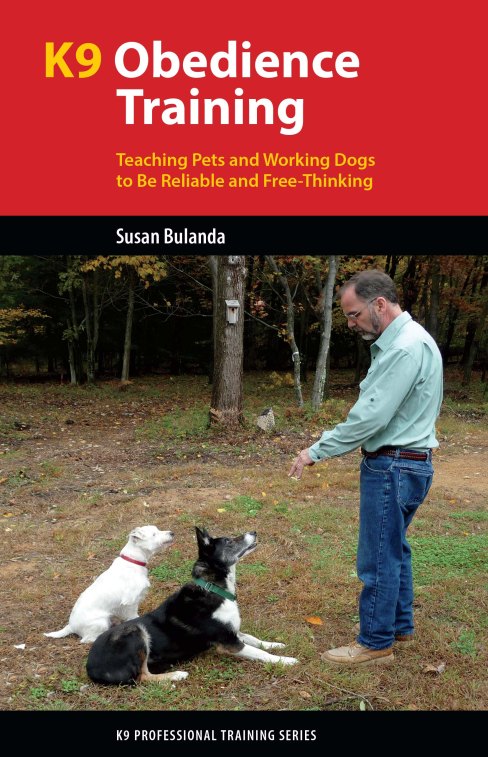


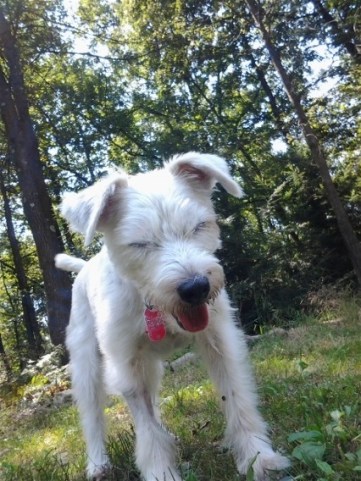

 Check back often (or subscribe via the button on the right) for posts to help pet owners with health, safety and training information; and to share information on dog training, behavior, and search and rescue. Additionally, I look forward to sharing:
 Remember, dogs do not speak English, therefore you must SHOW your dog what you want. Your actions speak louder than your words. All of your body language speaks to your dog. Therefore, your ATTITUDE, FACIAL EXPRESSION AND TONE OF VOICE communicate to your dog. You cannot try and tell your dog that he is not doing the right thing while you are hiding a laugh because you really think your dog’s behavior is cute or funny. Your dog will laugh right along with you. You cannot ask your dog to obey you if you hesitate in your movements. Your dog will not believe that you are the leader. On the other hand, you cannot bully your dog or physically punish him and expect your dog to respect and trust you. A good working relationship with your dog is built on trust and leadership. This is communicated to your dog by giving commands in a tone of voice that says, “I expect you to do this, no discussion.” Then move in a steady, yet gentle way to convey leadership.
 A Blog by Susan Bulanda