What this means is that dogs can group objects by how they are used, not by how they look. The importance of this discovery shows that dogs understand words and in a more flexible manner than previously thought.
A team of animal behavior researchers worked with dog owners and had them play with their dogs with objects in two categories, pull and fetch. The owners used these words with specific toys that did not look similar.
“Next, the dogs were tested to see if they had learned to connect the functional labels to the correct group of toys before playing with more novel toys in the two distinct categories. However, this time, their owners didn’t use the “pull” and “fetch” labels for the dogs.
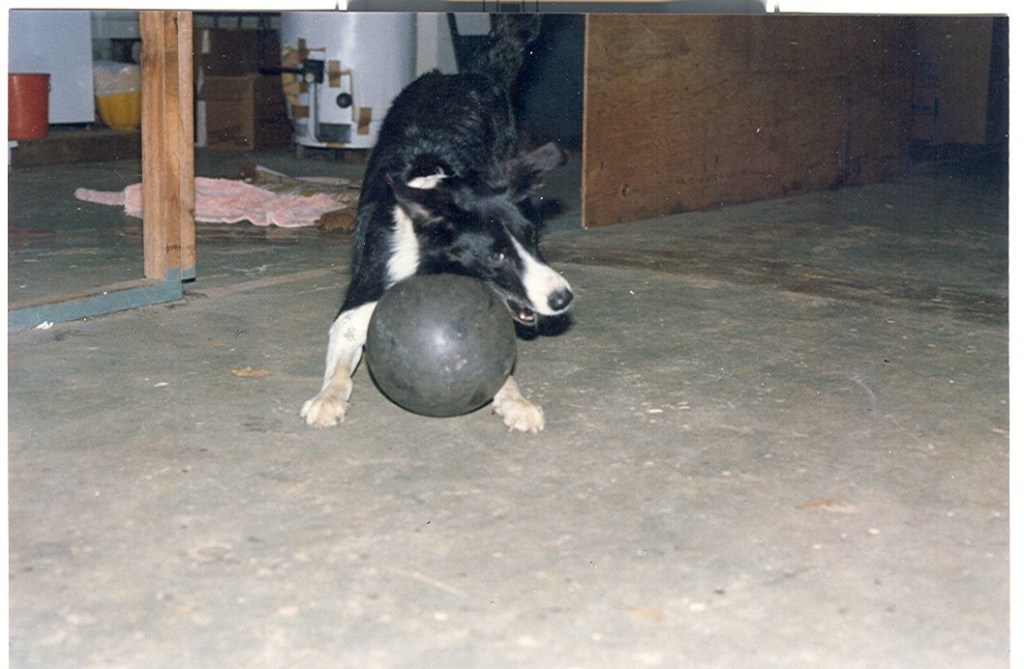
The team found that the dogs were able to extend the functional labels they’d learned previously to the new toys based on their experience playing with them. In the final test, the dogs showed that they could successfully apply the verbal labels to the toys by either pulling or fetching accordingly, even when their owners hadn’t named them.”
This impacts the way we train our dogs and the importance of the words that we use, especially associating the words with actions. If dogs are capable of understanding words to this level, it is reasonable to assume that other animals and birds can do the same thing.
Journal Reference:
- Claudia Fugazza, Andrea Sommese, Ádám Miklósi. Dogs extend verbal labels for functional classification of objects. Current Biology, 2025; DOI: 10.1016/j.cub.2025.08.013
Cite This Page:
Cell Press. “Dogs can tell how toys work without any training.” ScienceDaily. ScienceDaily, 23 September 2025. <www.sciencedaily.com/releases/2025/09/250923021212.htm>.

 A Blog by Susan Bulanda