Exploring a vegan diet for dogs

Many people are vegan’s and would prefer to feed their dogs an all-vegan diet. However, the traditional belief was that dogs were carnivores and need to eat meat. However, in reality dogs are omnivores and need a balanced diet. A recent study of 2500 dogs to determine the difference between a conventional diet, raw meat diet and vegan diet had some interesting results.

Dogs on a raw meat diet were healthier than those on a vegan diet and those on conventional diet were the least healthy. However, it should be noted that the researchers felt that the data was not conclusive because the dogs on raw meat diets were younger and less likely to be taken to a veterinarian. The researchers felt that people who had dogs on raw meat diets were less likely to seek veterinarian advice.      

The researchers felt that more studies need to be conducted. They agreed that feeding a raw meat diet has been linked to an increased risk of pathogens and nutritional deficiencies. They also considered that a nutritionally sound vegan diet may be the healthiest and least hazardous diet for dogs.  

Authors Note: Sifting through the dog food maze can be daunting. No pet food survey agrees which foods are the best. I have seen brands come and go, some start as top quality then change their formula to a very low quality. I have always believed that supplementing a high-quality commercial diet (which provides the balanced nutrients a dog needs) with table scraps (the highest quality food you can give a dog) with raw fruit and vegetables gives a dog all that they need. The brands of dog food that my research has shown to be the best are Wysong and Annamaet.
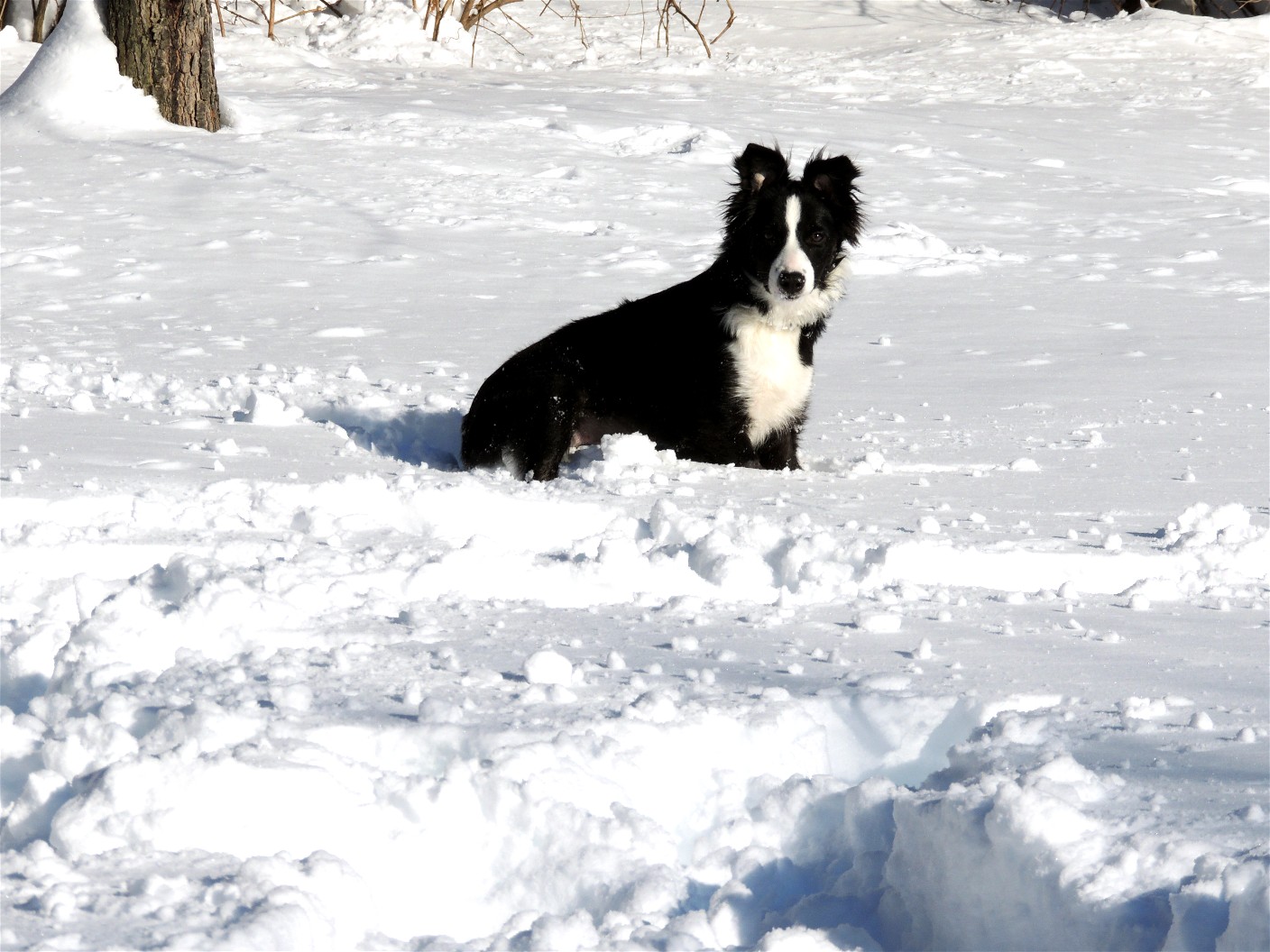
Raw meat diet for dogs–risky for dogs and humans

A study by the Swedish University of Agricultural Sciences and the National Veterinary Institute to determine the safety of raw meat diets for dogs found that the raw meat diets contained harmful levels of bacteria for both dogs and humans.

DSCN1648

All 60 samples tested contained Enterobacteriaceae species, which are indicators of fecal contamination as well as other contaminants.

The samples were from 10 different manufacturers, and originated in Sweden, Norway, Finland, Germany and England. The raw meat was from at least one source including: uncooked meat; edible bones and/or organs from cattle, chicken, lamb, turkeys, pigs, ducks, reindeer or salmon. Some of the products also included vegetables, vegetable fiber and minerals. For humans the various bacteria found in the raw diets are especially dangerous to infants, the elderly and those whose immune systems are weakened.

Similar studies have been done in the US with the same results and conclusions. Another report states, “Proponents of raw diets for dogs point out that dogs are biologically similar to carnivorous wolves, and claim that the benefits of this type of diet include healthier skin, coat and teeth, more energy and smaller stools, according to PetMD. However, there is very little scientific evidence to support these claims. In fact, most of the scientific research on raw meat diets for dogs shows that they could do more harm than good.”

I have said this before to my clients, dogs and other members of the wild canine family can only eat what is available to them. That does not mean that it is the best diet for them. For example, if wolves and foxes could cook their meat, or if they had other types of food available, they would eat a different diet. If a “natural” diet was that healthy they would live more than the few years that the do. Think about it.