Genetic and Environmental Drivers of Disease

Lead animal scientist Antonia Mataragka of the Agricultural University of Athens has conducted a study that explores the increase in chronic diseases in the animal kingdom. These same diseases are found in both animals and humans.

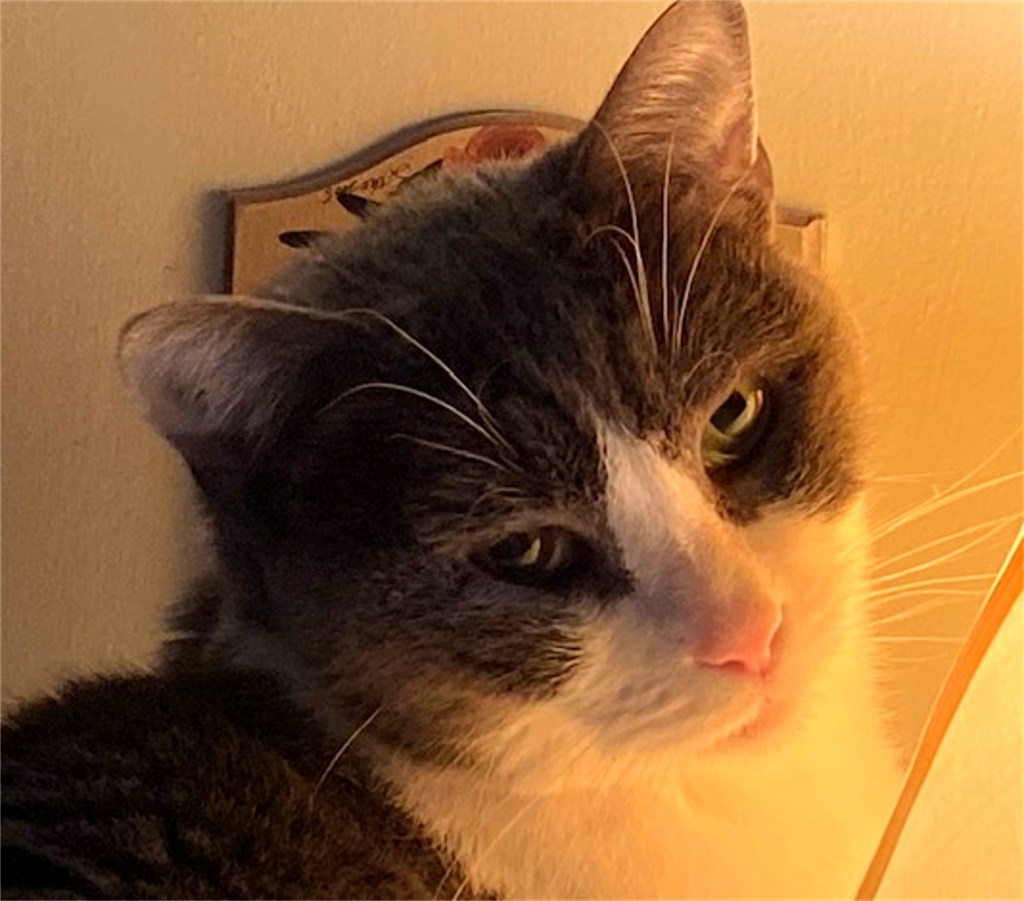
For example, obesity is widespread in dogs and cats. Being overweight leads to a greater number of cats who develop diabetes. About 20% of pigs develop osteoarthritis, beluga whales have an increase of gastrointestinal cancers and farmed Atlantic salmon suffer from cardiomyopathy. It doesn’t end there, up to 25% of wildlife living in polluted estuaries are developing liver tumors. Even

Marine turtles and fish are developing more tumors.
Mataragka hopes that her research will encourage more coordinated monitoring of both animals, people and ecosystems to identify early warning signs by recognizing shared causes of chronic illnesses and reduce disease risks for both animals and people.

Antonia Mataragka. Beyond Infections: The Growing Crisis of Chronic Disease in AnimalsRisk Analysis, 2025; DOI: 10.1111/risa.70130

Society for Risk Analysis. “Animals are developing the same chronic diseases as humans.” ScienceDaily. ScienceDaily, 17 November 2025. <www.sciencedaily.com/releases/2025/11/251116105735.htm>.
Songbirds socialize at night during migration

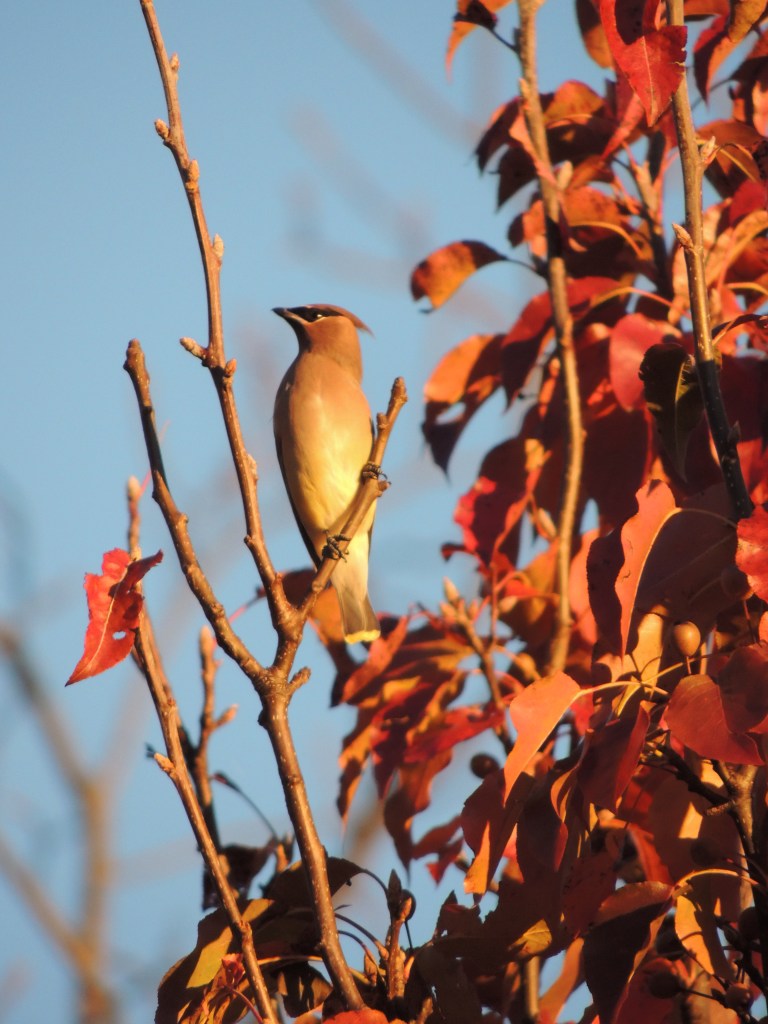
While we are asleep, we do not see or hear the hundreds of millions of songbirds that migrate at night. A team of researchers led by Benjamin Van Doren, assistant professor in the Department of Natural Resources and Environmental Sciences, at the College of Agricultural, Consumer and Environmental Sciences at Illinois started his study of nighttime migration of songbirds at the Cornell Lab of Ornithology. Van Doren and his co-researchers at the University of Maryland Center for Environmental Science, Appalachian Laboratory discovered strong evidence that migrating songbirds “buddy up” with other species, especially at stopover sites. They also pair up and communicate with other species while in flight.

While migrating during the day, young birds learn how to navigate by observing other birds. However, hundreds of millions of birds migrate at night, limiting visual contact with other birds. By studying nocturnal acoustic recordings, Van Doren discovered that songbirds communicate with other species during the night during migration.

What they found is that wing length and similar calls were the most important factors that caused birds to buddy up. This makes sense when considering that wing length is directly related to flight speed.

They also discovered that birds who buddied up at stopovers, did not necessarily buddy up with the same bird during flight. They also did not always buddy up with similar species while in flight.

This brings up the possibility that songbird species that cannot depend on their parents to lead them during migration, rely on social ties to guide them. It also shows that birds do not migrate alone with only their instincts to guide them. It raises the question of what other roles does socialization play in a bird’s life?

Journal Reference:

  1. Benjamin M. Van Doren, Joely G. DeSimone, Josh A. Firth, Friederike Hillemann, Zach Gayk, Emily Cohen, Andrew Farnsworth. Social associations across species during nocturnal bird migrationCurrent Biology, 2025; DOI: 10.1016/j.cub.2024.12.033

Cite This Page:

University of Illinois College of Agricultural, Consumer and Environmental Sciences. “Songbirds socialize on the wing during migration.” ScienceDaily. ScienceDaily, 15 January 2025. <www.sciencedaily.com/releases/2025/01/250115125116.htm>.

Bees are smart!

Researchers at the Queen Mary University of London successfully taught bumble bees to solve a two-step problem. What was interesting was that when they allowed untrained bees to watch the trained bees, the untrained bees learned how to solve the problem by watching the trained bees.

This experiment demonstrated that bees could learn by social learning which scientists previously thought was only something that humans could do.

Free Google image

In this case the bees shared experience and taught other bees to solve a two-step problem that was beyond their individual ability.  

Sue’s Note: In many cases other animals learn from each other. However, this was previously unknown for bees.

Journal Reference:

  1. Alice D. Bridges, Amanda Royka, Tara Wilson, Charlotte Lockwood, Jasmin Richter, Mikko Juusola, Lars Chittka. Bumblebees socially learn behaviour too complex to innovate aloneNature, 2024; DOI: 10.1038/s41586-024-07126-4

Cite This Page:

Queen Mary University of London. “Bee-2-Bee influencing: Bees master complex tasks through social interaction.” ScienceDaily. ScienceDaily, 6 March 2024. <www.sciencedaily.com/releases/2024/03/240306150557.htm>.

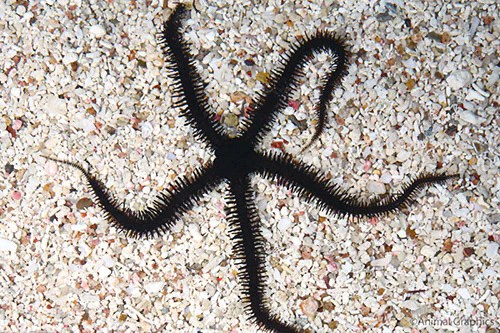
Starfish Learn without a brain

Brittle starfish are very shy, small starfish. They have no brain but they do have nerve cords that are in each of their five arms which join a nerve ring near their mouth. The lead researcher, Julia Notar, at the Sönke Johnsen’s lab at Duke University discovered that these starfish can learn using classical conditioning. Each nerve cord acts independently but work together as a committee according to Notar.

The starfish were kept in an aquarium and fed their favorite food, shrimp, only when the lights were dimmed. The starfish learned to come out of hiding as soon as the lights were dimmed, even before they were fed when there was no evidence of food in the aquarium.

Free google image Brittle starfish

Notar pointed out, “They’re potentially able to expect and avoid predators or anticipate food because they’re learning about their environment.”

Sue’s Note: The fact that they can learn about their environment means that they have the ability to remember as well as learn, if you cannot remember, you cannot learn. There has been evidence for many years that people who receive organ transplants sometimes show evidence of the behavior, likes and dislikes of the donor as a result of cell memory in the organ. This seems to be connected to learning without a brain.  (https://pubmed.ncbi.nlm.nih.gov/31739081/)

Journal Reference:

  1. Julia C. Notar, Madeline C. Go, Sönke Johnsen. Learning without a brain: classical conditioning in the ophiuroid Ophiocoma echinataBehavioral Ecology and Sociobiology, 2023; 77 (11) DOI: 10.1007/s00265-023-03402-x

Cite This Page:

Duke University. “Brittle stars can learn just fine — even without a brain.” ScienceDaily. ScienceDaily, 29 November 2023. <www.sciencedaily.com/releases/2023/11/231129174214.htm>.

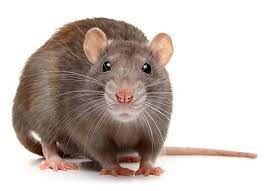
Rats have the ability to imagine

Researchers at the Howard Hughes Medical Institute Janelia Research Campus have discovered that rats have the ability to imagine. There findings indicate that just like people, animals can think about places and objects that they cannot see.

To determine this, they used a Brain Machine Interface and saw that rats showed specific neural activity patterns in the hippocampus area of their brain which is related to spatial memory. The researchers have determined that this function is necessary for an animal to remember past events and imagining future scenarios even if the animal is at a different location.  

Sue’ Note: While this research is important because it gives scientific proof that animals can remember the past and think of the future, it is obvious to me because if animals cannot do this, those in the wild would not survive. Our domestic animals would not be able to learn the things we teach them. An example that many of us have observed is the dog who knows what time a person is coming home and waits at the door, long before he could hear, smell or see the person coming. This is evident when the person is late and the dog at waiting at the normal time and illustrates the dog’s ability to anticipate the future. A famous example of this is Hachikō, an Akita who lived in Japan from 1923 to 1935 and went every day to the train station to wait for his master after his master died.

Journal Reference:

  1. Chongxi Lai, Shinsuke Tanaka, Timothy D. Harris, Albert K. Lee. Volitional activation of remote place representations with a hippocampal brain–machine interfaceScience, 2023; 382 (6670): 566 DOI: 10.1126/science.adh5206

Cite This Page:

Howard Hughes Medical Institute. “Rats have an imagination, new research suggests.” ScienceDaily. ScienceDaily, 2 November 2023. <www.sciencedaily.com/releases/2023/11/231102162557.htm>.

Scent and Memory

According to a study done by researchers at the UCI Center for the Neurobiology of Learning & Memory at the University of California, adults who were ages 60 – 85 who were suffering from some sort of mental impairment partook of the scent therapy test.  

The subjects of the study were given a diffuser and seven cartridges, each with a natural oil. The subjects used the diffuser each night when going to bed. The diffuser ran for two hours. The results showed that the group with the full-strength diffusers improved their cognitive skills by 226%.

Imagining showed that there was better integrity in the brain pathway called the left uncinate fasciculus, which connects the medial temporal lobe to the decision-making prefrontal cortex.

In addition to having better memory, the subjects said that they slept better, more soundly.

Sue’s Comments:  We know that essential oils have numerous benefits when smelled. For example, lavender is known for its calming properties. What this study brings to mind for me is the possible connection with scent work in dogs. There are many accounts of animals, dogs, elephants, and other animals, who recognize a person that they have not seen in years. Scent is one of the keys for this, indicating that there may be a connection similar to the findings in this study. Previous studies have shown that in dogs, scent is linked to sight, they are not separate in the dog’s brain. I would love to see further studies that involve this finding and how it might apply to animals. Would it be possible to help elderly animals in the same way. Dogs and other animals suffer from dementia the same as people.

Journal Reference:

  1. Cynthia C. Woo, Blake Miranda, Mithra Sathishkumar, Farideh Dehkordi-Vakil, Michael A. Yassa, Michael Leon. Overnight olfactory enrichment using an odorant diffuser improves memory and modifies the uncinate fasciculus in older adultsFrontiers in Neuroscience, 2023; 17 DOI: 10.3389/fnins.2023.1200448

Cite This Page:

University of California – Irvine. “Sweet smell of success: Simple fragrance method produces major memory boost.” ScienceDaily. ScienceDaily, 1 August 2023. <www.sciencedaily.com/releases/2023/08/230801131700.htm>.

Those amazing whiskers

A study at Northwestern University has shown that rats determine the direction of the wind with their whiskers. Since many other animals such as dogs, foxes, coyotes and cats also have whiskers that are similar to those of a rat, is it possible that they also use their whiskers to determine the direction of the wind?

All wild animals also have to be aware of the direction of the wind to either find food or avoid being detected by predators. Therefore, the ability to determine the direction of the wind or even a slight breeze is a life and death skill. It seems reasonable that that they would use their whiskers as well as the movement of their fur to detect the direction of air movement.

Sue’s Note: As a person who has trained many working dogs, I have seen dogs learn how to use the direction of the wind to find scent. It is quite an amazing thing to watch, and another example of how intelligent animals are.

Journal References:

Mitra J. Z. Hartmann et al. Whiskers aid anemotaxis in ratsScience Advances, August 2016 DOI: 10.1126/sciadv.1600716

Yan S. W. Yu, Matthew M. Graff, Mitra J. Z. Hartmann. Mechanical responses of rat vibrissae to airflowThe Journal of Experimental Biology, 2016; 219 (7): 937 DOI: 10.1242/jeb.126896


Cite This Page:

Northwestern University. (2016, August 24). Whiskers help animals sense the direction of the wind: First-ever study shows that rats use whiskers to locate source of airflow. ScienceDaily. http://www.sciencedaily.com/releases/2016/08/160824160248.htm

Brain connectivity in animals and people

In a first of its kind study, researchers at the American Friends of Tel Aviv University studied the MRIs of 130 mammals of different species to determine if there is a difference between brain size and its ability to transfer information through the neural network. This information was compared with the MRI of 32 human brains. The size of the mammals ranged from tiny bats to large mammals. The report stated that no animal was killed for the study.

Professor Assaf explained that many scientists assumed that human brains were superior due to greater brain connectivity, explaining a human’s greater abilities. However, no difference was found between species. However, there were differences between individual animals of the same species.

Brain connectivity involves the transfer of information from one part of the brain to another. The researchers found that different brains use different strategies to preserve an equal measure of overall connectivity.

“Our study revealed a universal law: Conservation of Brain Connectivity,” Prof. Assaf concludes. “This law denotes that the efficiency of information transfer in the brain’s neural network is equal in all mammals, including humans. We also discovered a compensation mechanism which balances the connectivity in every mammalian brain. This mechanism ensures that high connectivity in a specific area of the brain, possibly manifested through some special talent (e.g. sports or music) is always countered by relatively low connectivity in another part of the brain. In future projects we will investigate how the brain compensates for the enhanced connectivity associated with specific capabilities and learning processes.”

This study was conducted by researchers at Tel Aviv University, led by Prof. Yaniv Assaf of the School of Neurobiology, Biochemistry and Biophysics and the Sagol School of Neuroscience and Prof. Yossi Yovel of the School of Zoology, the Sagol School of Neuroscience, and the Steinhardt Museum of Natural History.

Journal Reference:

  1. Yaniv Assaf, Arieli Bouznach, Omri Zomet, Assaf Marom, Yossi Yovel. Conservation of brain connectivity and wiring across the mammalian classNature Neuroscience, 2020; 23 (7): 805 DOI: 10.1038/s41593-020-0641-7

Cite This Page:

American Friends of Tel Aviv University. “MRI scans of the brains of 130 mammals, including humans, indicate equal connectivity.” ScienceDaily. ScienceDaily, 20 July 2020. <www.sciencedaily.com/releases/2020/07/200720112216.htm>.

Most wild dingos are pure, not hybrids

In a University of New South Wales study led by Dr. Kylie Cairns, a conservation biologist, they discovered that most of the dingo population is pure and not crossed with dogs as previously thought. This is important because dingo’s and dingo crosses were considered “wild dogs” an invasive species, and were allowed to be hunted.

What is interesting is that Dingoes are genetically distinct from domestic dogs but they can interbreed.

Dingo – Google free image

According to Dr. Cairns, the old method of determining the purity of dingoes only used a small number of genetic markers (only 23) which overestimated the amount of dog ancestry, being inaccurate by over 30 percent. The new test allows them to look at 195,000 points across the genome.

Dr. Cairns feels that the dingo should be protected and not subjected to lethal control measures. If the dingo is removed the area can become overrun by kangaroos, foxes and feral cats which threaten other native animals and alter the vegetation. While dingoes are a threat to some livestock, they do play a crucial role in maintaining the ecosystem and biodiversity.

Sue’s note: This sounds very similar to past issues that we have had in the United States with wolves. This study also shows that because two species can interbreed, it does not mean that they are descended one from another. Many species that are not related are interbred, such as in the feline, equine and canine families.

  1. Kylie M. Cairns, Mathew S. Crowther, Heidi G. Parker, Elaine A. Ostrander, Mike Letnic. Genome‐wide variant analyses reveal new patterns of admixture and population structure in Australian dingoesMolecular Ecology, 2023; DOI: 10.1111/mec.16998

University of New South Wales. “New DNA testing technology shows majority of wild dingoes are pure, not hybrids.” ScienceDaily. ScienceDaily, 30 May 2023. <www.sciencedaily.com/releases/2023/05/230530125449.htm>.

Do animals have beliefs?

Based on the research by Dr. Tobias Starzak and Professor Albert Newen from the Institute of Philosophy II at Ruhr-Universität Bochum, yes, they do. Although it is not easy to prove, the research shows that chimpanzees, dogs, and some birds have beliefs. It stands to reason that if these animals do, others do as well.

According to the study for an animal to illustrate that they have beliefs, they must meet certain criteria. They must have information about the world; the animal must be able to use the information in a flexible manner; then that information is then internally structured into a belief with different aspects of that information being processed separately; and they must be able to recombine the components of the information in unique ways.

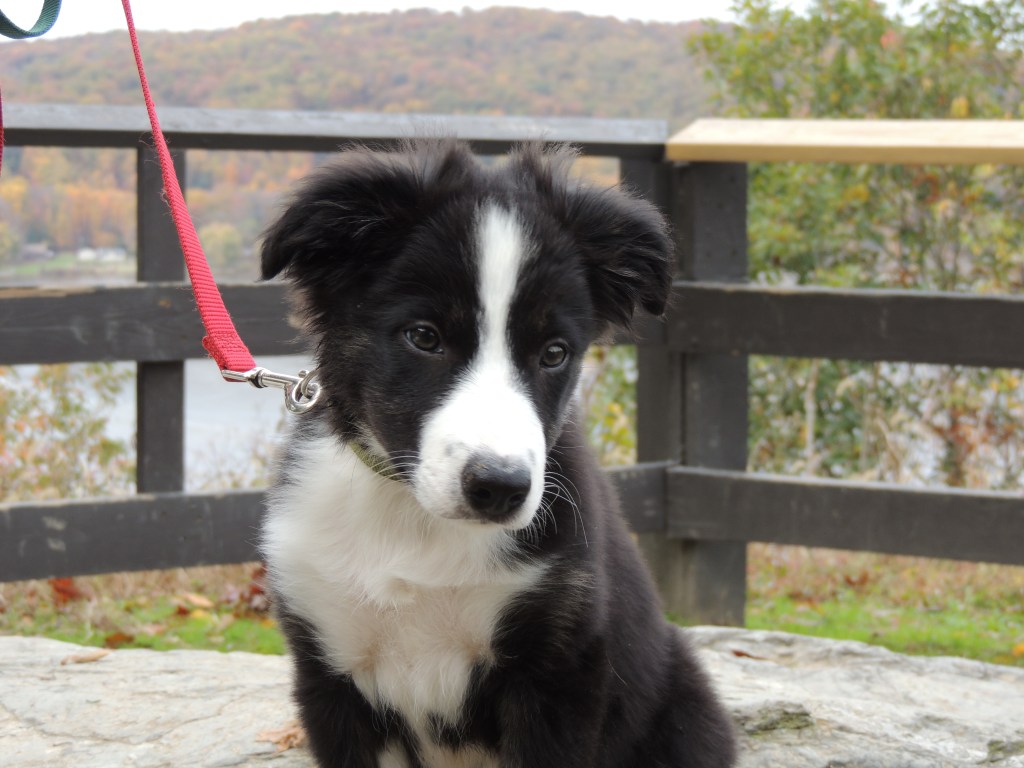
According to Albert Newen, flexible behavior which can be interpreted as caused by beliefs has been observed in chimpanzees, rats and Border collies.

Journal Reference:

  1. Albert Newen, Tobias Starzak. How to ascribe beliefs to animalsMind & Language, 2020; DOI: 10.1111/mila.12302

Cite This Page:

Ruhr-University Bochum. “What it means when animals have beliefs: Chimpanzees, some dog species and even scrub jay and crows have beliefs..” ScienceDaily. ScienceDaily, 17 June 2020. www.sciencedaily.com/releases/2020/06/200617145957.htm