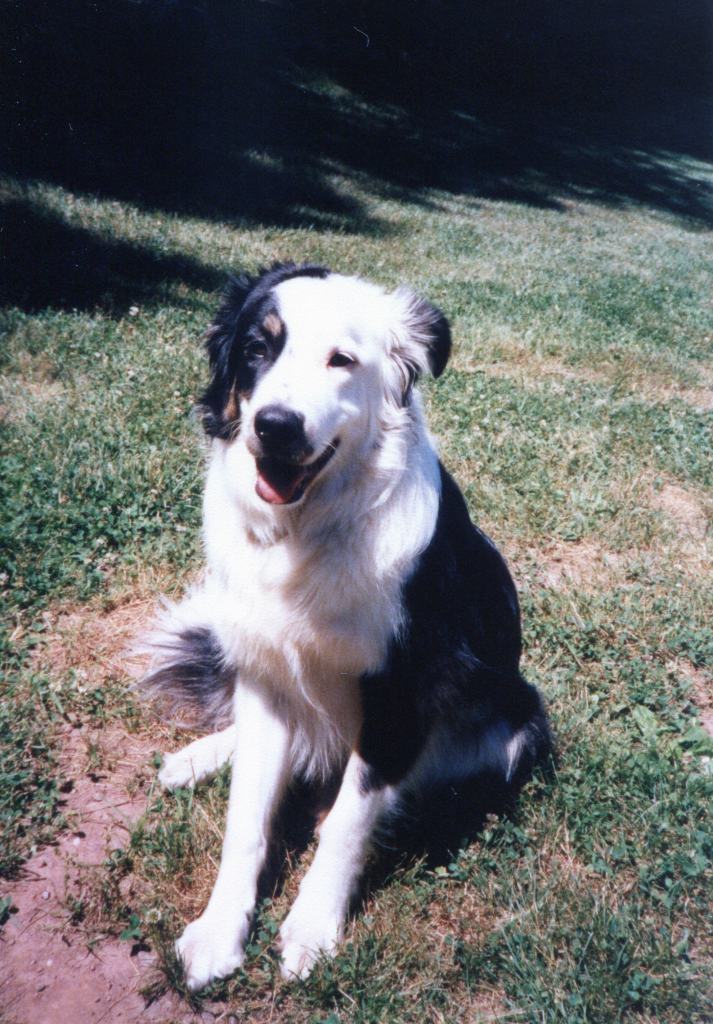
How Pets Heal Hearts and Brighten Lives: The Science of Their Amazing Impact

By Guest Blogger, Cindy Aldridge

cindy@ourdogfriends.org

Pet ownership is more than just a source of joy—it’s a gateway to better health and a more fulfilling life. From reducing stress levels to promoting physical activity, the bond between humans and their pets profoundly impacts overall well-being. This article explores how pets contribute to a healthier, happier lifestyle, showcasing their unique role in enriching our lives.

The Mutual Benefits of Pet Interaction

Spending time with pets like dogs and cats can be a delightful way to unwind and reduce stress. Engaging in regular playtime and maintaining a consistent routine with your furry friend can help lower cortisol levels, a key stress hormone. This benefits your health and positively impacts your pet’s well-being, as your stress can affect them, too. Consider working from home occasionally or arranging for a pet sitter if your pet shows signs of stress. These steps can create a more harmonious environment, enhancing your and your pet’s health and happiness.

Boosting Your Immune System with Pet Companionship

Owning a pet can be a delightful way to boost your immune system. Sharing your home with a pet, especially a dog, exposes you to various microbes that can strengthen your body’s defenses. Research indicates that children raised with pets often develop a more diverse gut microbiome, which is associated with a lower risk of asthma and allergies. This aligns with the hygiene hypothesis, suggesting that early exposure to microbes can help the immune system manage allergens more effectively.

The Mental Health Benefits of Pet Care Routines

Establishing a routine through feeding, grooming, and exercising your pet provides structure and instills a sense of purpose and accomplishment. This routine can be particularly beneficial for those facing mental health challenges, as it encourages regular physical activity and fosters a stable environment. The bond you form with your pet through non-verbal communication can uplift your mood and alleviate anxiety. Studies suggest that over 60% of dog owners achieve recommended exercise levels, highlighting the physical benefits of pet ownership.

How Therapy Animals Help with Mental Health

Therapy animals have increasingly become a vital component of mental health care, offering comfort and support to individuals facing challenges such as PTSD and autism. Their calming presence can significantly enhance social skills, reduce anxiety, and promote emotional stability across diverse groups. For example, equine-assisted therapy involves interactions with horses and is particularly effective in building trust and facilitating emotional healing. Additionally, service dogs are trained to address specific needs, such as providing mobility support or detecting health issues like low blood sugar, enhancing independence and quality of life.

The Health Benefits of Pet Ownership

Delving into the science of the human-animal bond reveals its significant impact on health and well-being. Engaging with pets can lower blood pressure and ease anxiety, mainly due to releasing hormones like oxytocin and dopamine, which foster happiness and relaxation. The companionship of a pet can alleviate loneliness and depression, enhancing your overall quality of life. Understanding these dynamics lets you appreciate how pets contribute to a healthier, more fulfilling life.  

freepik

Pets are more than just companions; they are catalysts for improved health and happiness. Their presence can transform daily routines, offering emotional support and fostering a sense of purpose. As we continue to explore the profound connections between humans and animals, it becomes clear that pets play an integral role in enhancing our lives. Embrace the unique benefits they bring, and let these bonds enrich your journey toward well-being.

Discover the fascinating world of canine intelligence and groundbreaking research at Susan Bulanda’s Blog, (website) sbulanda.com where passion for pets meets scientific exploration!

Sit, Stay, Prosper: How Dog Training Became a Big Business

by guest blogger, Kallisti Publishing

The next time you pass a well-behaved dog walking serenely on a leash, tail wagging in perfect harmony with its owner, take a moment to appreciate the silent partner in that picture-perfect moment: the dog trainer. Behind every happy canine and relieved pet parent, there’s likely a professional who taught Fido how to sit, stay, and maybe even stop chewing the couch cushions.

Dog training has quietly grown from a charming pastime into a booming industry that combines passion, practicality, and profit. As Americans pour billions of dollars annually into their pets, the demand for professional trainers has skyrocketed. For those who love dogs and want to make a career out of that affection, it’s never been a better time to enter the field.

“Dogs are family now,” says Susan Bulanda, a veteran trainer, internationally recognized canine behavior expert, and author of The Business of Dog Training: How to Succeed as a Professional Dog Trainer (Kallisti Publishing, 2024). “People are investing in their pets like never before, and that includes making sure they’re well-trained and happy. This shift has created incredible opportunities for trainers.”

A Pawsitively Booming Industry

Gone are the days when dog training was little more than a niche service. Today, the industry offers a dazzling array of opportunities. Trainers can specialize in everything from puppy socialization and basic obedience to advanced fields like agility sports, therapy dog certification, and service dog training.

Jessica Ramirez, a trainer based in Austin, Texas, discovered this firsthand. “When I started during the pandemic, I thought I’d stick to basic obedience classes,” she says. “But the demand kept growing—puppy owners wanted socialization, working professionals needed help with separation anxiety, and a surprising number of people wanted their dogs to learn fun tricks.”

Ramirez now runs a six-figure business with three employees, offering services that range from one-on-one consultations to group classes and even virtual training. “It’s incredible how many options there are,” she adds. “This isn’t just a job—it’s a lifestyle.”

And it’s a lucrative one. The American Pet Products Association (APPA) reports that spending on pet services, including training, reached over $11 billion in 2023. With 65 million American households owning at least one dog, this number is only expected to grow.

Why Now?

The rise of the dog training industry can be traced to several factors. For one, the pandemic prompted a nationwide “puppy boom.” Millions of Americans adopted pets, often for the first time, and quickly realized they needed help teaching their new companions how to behave.

“Pandemic puppies changed everything,” says Andrew Mitchell, a Denver-based trainer who left his corporate marketing job to pursue his passion for working with dogs. “Suddenly, people were home all day with these energetic animals and had no idea how to handle them. That’s when trainers became essential.”

Urbanization is another driver. As more people move into cities and apartments, the importance of having a well-behaved dog grows. “A barking or aggressive dog can strain relationships with neighbors,” says Bulanda. “Training ensures harmony in these close-quarters living situations.”

Moreover, dogs are no longer seen as just pets—they’re companions, family members, even emotional support systems. “Training isn’t about control anymore,” Bulanda adds. “It’s about communication. People want to connect with their dogs, and trainers help make that possible.”

The Joys and Challenges of Training

Despite the industry’s many rewards, dog training isn’t without its challenges. Trainers must master both canine behavior and human psychology. “Training a dog is often the easy part,” says Mitchell. “The harder part is teaching the owners. You need to be patient, empathetic, and a great communicator.”

For Ramirez, the emotional rewards outweigh the challenges. She recalls working with a rescue dog named Daisy who had a deep fear of loud noises. “Her owners were ready to give up,” Ramirez says. “But after weeks of gradual training, Daisy became a completely different dog—confident and calm. Seeing that transformation is why I do this.”

Bulanda agrees. “Training changes lives—for the dog and the family. It’s one of the most meaningful careers you can have.”

How to Get Started

Starting a dog training business is surprisingly accessible. Most trainers begin with a certification from organizations like the International Association of Canine Professionals or the Certification Council for Professional Dog Trainers. These programs teach foundational skills, from reading canine body language to implementing training techniques.

For those serious about building a career, resources like Bulanda’s The Business of Dog Training offer valuable guidance. The book provides practical advice on everything from understanding dog behavior to marketing services and managing a business. Drawing on decades of experience, Bulanda outlines the path to becoming a successful trainer in an increasingly competitive field.

“You don’t need a huge investment to start,” she says. “A few basic tools, some education, and a lot of dedication can go a long way.”

The Future of Dog Training

The industry’s growth shows no signs of slowing down. As more Americans embrace the human-animal bond, the demand for skilled trainers will only increase. This expansion opens the door for innovation, such as virtual training programs, mobile apps, and training packages tailored to specific breeds or behavioral issues.

“Dogs are incredibly adaptable, and so is this industry,” says Mitchell. “There’s always room for new ideas and approaches.”

For those considering a career change or looking for a side hustle, dog training offers a unique blend of profitability and purpose. It’s a career that allows people to work with animals, help others, and build a business—all while enjoying the companionship of man’s best friend.

“Dogs bring joy, loyalty, and love into our lives,” Bulanda reflects. “As trainers, we have the privilege of helping them thrive while creating lasting bonds with their owners. It’s a career filled with heart, and it’s one I’d recommend to anyone who loves dogs and wants to make a difference.”

A Career That Changes Lives

Whether you’re looking to leave behind the corporate grind or turn your passion for animals into a thriving business, dog training offers endless opportunities. With the right skills, a willingness to learn, and resources like The Business of Dog Training, you can build a career that’s not only financially rewarding but emotionally fulfilling.

So, the next time you see a dog sitting calmly at its owner’s feet or walking politely on a leash, remember: that’s the work of a trainer. And it might just be your next great career move.

Blindness in dogs–X-linked retinitis pigmentosa cured

A team from the University of Pennsylvania announced that they have cured X-linked retinitis pigmentosa, a blinding retinal disease in dogs when caught early. XLRP causes gradual vision loss starting at a very young age in dogs, often as early as five weeks. It is an inherited retinal disease.

http://ghr.nlm.nih.gov/condition/retinitis-pigmentosa

Continuing the research the veterinarian researchers found that the gene therapy helped dogs at 12 weeks of age (mid-stage disease) when about 40% of the eye’s photoreceptor cells were dead and then at 26 weeks of age (late-stage) when 50 – 60% of the cells were dead.  What the researchers found was that they were able to halt the degeneration of the photoreceptor cells in the treated area.

Now they’ve shown that they can cure the canine disease over the long term, even when the treatment is given after half or more of the affected photoreceptor cells have been destroyed.

To date, dogs have maintained their vision for over two years after treatment. This is very exciting because humans suffer from the same type of blindness. With that in mind, researchers are already examining human patients to determine how to treat their blindness and who might qualify for future treatments.

Again, man’s best friend is offering hope to humans who suffer from this type of cell death that causes blindness. Since this is an inherited disease, breeders should have their dogs examined by a certified canine ophthalmologist and register their dogs with the Canine Eye Registration Foundation, CERF. http://www.tctc.com/~maplerg/cerf-.htm   This will help researchers continue to develop cures for blindness as well as prevent the breeding of dogs who have this inherited disease.

http://www.sciencedaily.com/releases/2015/10/151012174519.htm?utm_source=feedburner&utm_medium=email&utm_campaign=Feed%3A+sciencedaily%2Fplants_animals%2Fdogs+%28Dogs+News+–+ScienceDaily%29

Sue’s Note: All pets who are blind can live a happy life. My cat is blind and is happy and safe. It helps if things are not moved around or left out in the open where the blind pet will bump into them. Blind pets should never be allowed outside unless they are in a fenced area or on a leash.

My blind cat, Mimi

New research about overeating

UCLA psychologists have discovered a circuit in the brain of mice that makes them crave food and seek it out, even when they are not hungry. What is interesting about this discovery is that when the group of cells is stimulated, the mice seek fatty and pleasurable foods such as chocolate instead of healthier foods such as carrots.

The area of the brain where the cells are located is called the periaqueductal gray which is in the brainstem. When these cells are stimulated, the mice are so driven to eat that they will endure foot shocks to get to the food. The opposite occurs when the researchers inject a virus that produces a protein that reduces the cells activity even hungry mice foraged less.

“Like mice, humans also possess vgat PAG cells in the brainstem. It could be that if this circuit is overactive in a person, they might feel more rewarded by eating or crave food when not hungry. Conversely, if this circuit is not active enough, they could have less pleasure associated with eating, potentially contributing to anorexia. If found in humans, the food-seeking circuit could become the treatment target for some kinds of eating disorders.”

Sue’s Note: If mice have this cluster of cells, it stands to reason that other animals have it as well. Could this be why some of our pets overeat and some have low appetites?

Journal Reference:

  1. Fernando M. C. V. Reis, Sandra Maesta-Pereira, Matthias Ollivier, Peter J. Schuette, Ekayana Sethi, Blake A. Miranda, Emily Iniguez, Meghmik Chakerian, Eric Vaughn, Megha Sehgal, Darren C. T. Nguyen, Faith T. H. Yuan, Anita Torossian, Juliane M. Ikebara, Alexandre H. Kihara, Alcino J. Silva, Jonathan C. Kao, Baljit S. Khakh, Avishek Adhikari. Control of feeding by a bottom-up midbrain-subthalamic pathway. Nature Communications, 2024; 15 (1) DOI: 10.1038/s41467-024-46430-5

Cite This Page:

University of California – Los Angeles. “Craving snacks after a meal? It might be food-seeking neurons, not an overactive appetite.” ScienceDaily. ScienceDaily, 20 March 2024. <www.sciencedaily.com/releases/2024/03/240320122517.htm>.

Heart murmurs in dogs

Researchers at the University of Cambridge have perfected an algorithm that can accurately detect heart murmurs in dogs. A heart murmur is the main indicator of cardiac disease such as mitral valve disease. About one in thirty dogs develop this, especially small dogs such as the King Charles Spaniels. The algorithm was originally designed for use on humans, but the team was able to adjust the program to detect and grade heart murmurs in dogs.

In humans, mitral valve disease can only be corrected by surgery, but medication is available for dogs. This program will allow the general practitioner veterinarian to accurately determine if a dog has heart disease earlier and treat the dog, increasing its quality of life and longevity.   

Journal Reference:

  1. Andrew McDonald, Jose Novo Matos, Joel Silva, Catheryn Partington, Eve J. Y. Lo, Virginia Luis Fuentes, Lara Barron, Penny Watson, Anurag Agarwal. A machine‐learning algorithm to grade heart murmurs and stage preclinical myxomatous mitral valve disease in dogs. Journal of Veterinary Internal Medicine, 2024; DOI: 10.1111/jvim.17224

Cite This Page:

University of Cambridge. “AI algorithm accurately detects heart disease in dogs.” ScienceDaily. ScienceDaily, 28 October 2024. <www.sciencedaily.com/releases/2024/10/241028211501.htm>.

Dogs understand words from a soundboard

A new study investigated whether dogs understand the words on a soundboard or if they were responding to cues from their owners. The study was conducted by researchers at the University of California San Diego as well as other institutions and have proven that dogs who are trained with soundboard buttons can comprehend specific words and will perform contextually appropriate responses. The study was led by Federico Rossano who is an associate professor in the Department of Cognitive Science at UC San Diego and is head of the comparative Cognition Lab. This study was the first empirical study from the world’s largest longitudinal or panel study of button-trained pets.

The way the study was conducted removed bias, owner cues, and showed that the dogs truly did understand the words on the sound board. One of the more important findings is that it shows the complexities of dog cognition and communication.

Sue’s Note: Since I first started training dogs and working as a behaviorist, we have come a long way in understanding how intelligent dogs (and other animals) are. One of the key lessons that we as pet owners must keep in mind, is that dogs are much smarter than previously thought and understand much more than most people give them credit for. This is important to keep in mind when training any animal. What you do and how you do it is critical in building your relationship with your dog or other pet and having them understand what you are teaching them or want them to do. This is why it is very important to use the same word for a specific command. For example, do not use the word DOWN to tell your dog to get off you or furniture and then say the same word to tell your dog to lie down.

Journal Reference:

  1. Amalia P. M. Bastos, Ashley Evenson, Patrick M. Wood, Zachary N. Houghton, Lucas Naranjo, Gabriella E. Smith, Alexandria Cairo-Evans, Lisa Korpos, Jack Terwilliger, Sarita Raghunath, Cassandra Paul, Hairou Hou, Federico Rossano. How do soundboard-trained dogs respond to human button presses? An investigation into word comprehension. PLOS ONE, 2024; 19 (8): e0307189 DOI: 10.1371/journal.pone.0307189

Cite This Page:

University of California – San Diego. “Dogs understand words from soundboard buttons.” ScienceDaily. ScienceDaily, 28 August 2024. <www.sciencedaily.com/releases/2024/08/240828154926.htm>.

Faithful Friends: Holocaust Survivors Stories of the Pets Who Gave Them Comfort, Suffered Alongside Them and Waited for Their Return

Imagine that your family is frightened, you know it even though they are trying to hide it from you. People who were your friends now ignore or avoid you. War has gripped your country, and some people are leaving everything behind to flee. Yet at night, you sleep soundly because your faithful pet, whether it be a dog or cat, lays by your side. You pet still loves you and thinks that you are the best person in the world. Then one day, you and your family are taken away, forced to leave your best friend behind. Faithful Friends is the story of these devoted animals. All are true, all are treasured memories, and all are special to the people who shared them for this book, the only book of its kind to tell the stories of these devoted animals. Available in English and Italian.

Order a copy at www.sbulanda.com, https://cladach.com/bookstore/

Decoding dog vocalizations

Researchers at Mexico’s National Institute of Astrophysics, Optics and Electronics (INAOE) along with the researchers at the University of Michigan, have devised a program using AI to begin the process of understanding dog vocalizations.

They found that AI models used for human speech can be used as a starting point to develop new systems that understand animal vocalizations. The human voice models can encode the very complex patterns of human languages and speech, so the researchers have started to develop similar programs to decode canine barks.

If they are successful, they feel that it will benefit biologists as well as animal behaviorists and other people who work with animals. Of course, it will benefit dogs as well. Such a system could enhance the care of dogs by letting people interpret their emotional and physical needs. This information could prevent potentially dangerous situations.

Sue’s Note: While this is very good, understanding dogs and any other animal depends heavily on their body language. Will this program take that into consideration? To the best of our knowledge, animals do not have a word by word vocal communication system.

Journal Reference:

  1. Artem Abzaliev, Humberto Pérez Espinosa, Rada Mihalcea. Towards Dog Bark Decoding: Leveraging Human Speech Processing for Automated Bark Classification. Submited to arXiv, 2024 DOI: 10.48550/arXiv.2404.18739

Cite This Page:

University of Michigan. “Using AI to decode dog vocalizations.” ScienceDaily. ScienceDaily, 4 June 2024. <www.sciencedaily.com/releases/2024/06/240604132204.htm>.

Sleep apnea in dogs

Many people may not be aware that brachycephalic dogs breeds such as French Bulldogs, Pugs and other breeds with short, flat noses can suffer from sleep apnea. It has been found that these dogs suffer from disordered breathing that is similar to human obstructive sleep apnea which is caused by upper airway obstruction. The result is daytime fatigue and interruptions in sleep.

Researchers at the University of Helsinki Lung Insight group found that a neckband system that is used in people, was successful in determining if dogs suffered from sleep apnea.  

Their research showed that brachycephalic dogs snore and suffer from sleep disorders more than dogs with long snouts. Sleep apnea causes health issues in humans such as hypertension and cardiovascular disease. It affects the body’s immune system, hormone secretion and metabolism. Since dogs and humans share similar health issues, it is important to monitor your dog’s sleep habits and if you think that your dog has sleep apnea contact your veterinarian.   

Journal Reference:

  1. Iida Niinikoski, Sari‐Leena Himanen, Mirja Tenhunen, Liisa Lilja‐Maula, Minna M. Rajamäki. Description of a novel method for detection of sleep‐disordered breathing in brachycephalic dogs. Journal of Veterinary Internal Medicine, 2023; DOI: 10.1111/jvim.16783

Cite This Page:

University of Helsinki. “A short snout predisposes dogs to sleep apnea.” ScienceDaily. ScienceDaily, 13 June 2023. <www.sciencedaily.com/releases/2023/06/230613110050.htm>.

Stress causes overeating in pets

Researcher Sora Shin, an assistant professor at the Fralin Biomedical Research Institute at Virginia Tech has discovered a molecule that triggers the need to eat high fat foods in mice 24 hours after being exposed stress in the form of the scent of cats.

This molecule is found in the hypothalamus section of the brain which is the part of the brain that is connected to changes in the brain that lead to emotional overeating.

 The same molecule is found in people as well as animals. This discovery may lead to treatment methods that can help people who react to the emotionally driven need to overeat, even when they are not hungry.

Sue’s Note: There are many animals, particularly dogs and cats that tend to overeat which result in them becoming obese. Pet owners who have pets that have this problem should consider stress as a factor that causes their pets to overeat. First be sure that the family or friends are not over feeding the pets. If this is not the case the pet owner should evaluate the possibility that stress may be a cause. Since the study showed that the effects of stress can cause overeating 24 hours later, the pet owner should consider events that happened in the last 24 hours. An example would be someone or something that passes the pet’s home when the owner is not home that causes high stress in the pet. In situations where stress is a factor, reducing the amount of food that the pet has access to may cause a greater amount of stress. In this case over the counter calming remedies may help the pet. If not a visit to your veterinarian would be in order explaining to the veterinarian that you suspect stress is a cause of the overeating. Print a copy of the article in the link below to show your veterinarian if necessary.

Journal Reference:

  1. In-Jee You, Yeeun Bae, Alec R. Beck, Sora Shin. Lateral hypothalamic proenkephalin neurons drive threat-induced overeating associated with a negative emotional state. Nature Communications, 2023; 14 (1) DOI: 10.1038/s41467-023-42623-6

Cite This Page:

Virginia Tech. “Scientist discovers potential brain link between stress, emotional eating.” ScienceDaily. ScienceDaily, 27 November 2023. <www.sciencedaily.com/releases/2023/11/231127180702.htm>.