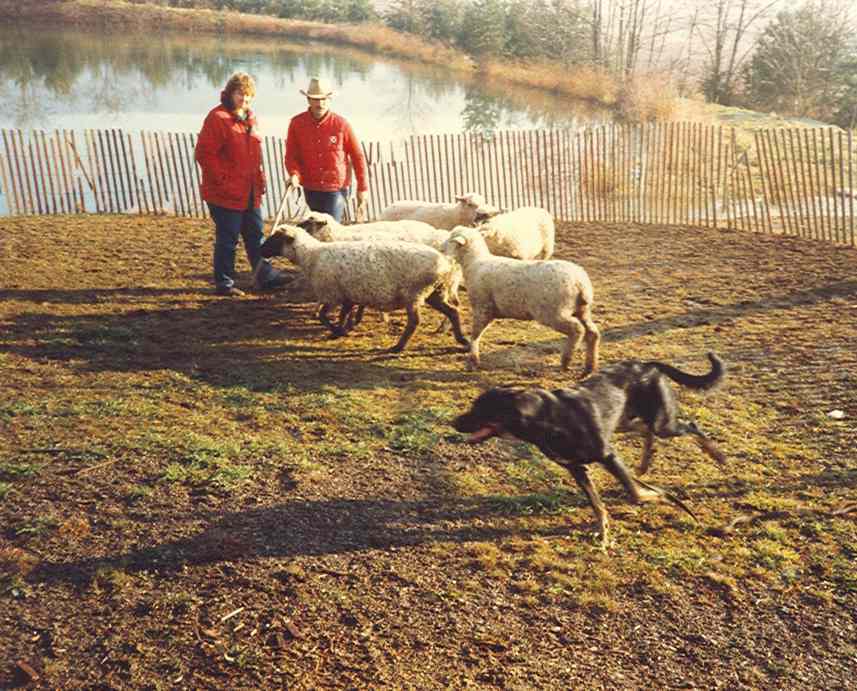
Unlock the Healing Power of Animal Companionship in Overcoming Addiction

by guest blogger Cindy Aldridge

Embarking on the path to overcoming addiction, you might discover solace and support in unexpected places. Among these, the companionship of pets stands out as a source of unconditional love and understanding. These furry friends offer companionship and become critical pillars in the journey toward sobriety, providing a unique form of support that nurtures emotional and physical well-being. Susan Bulanda shares more:

Providing Companionship and Sense of Purpose

In the throes of addiction recovery, the presence of a pet can imbue your life with a newfound sense of purpose and belonging. The unconditional love and unwavering companionship pets offer can fill the void of loneliness, giving you a reason to push forward. 

Their dependence on you for care and affection instills a routine and responsibility that can be incredibly grounding. This bond is crucial to the recovery process, offering a comforting presence that reassures and motivates you to continue healing.

Navigating Through Inpatient Treatment

When grappling with the complexities of addiction recovery, acknowledging the potential for relapse becomes pivotal. In such instances, opting for inpatient treatment emerges as a decisive choice, offering a structured and supportive setting for individuals navigating the trials of recovery. While concerns about the expense of rehabilitation may arise, it’s reassuring that numerous treatment centers readily accept health insurance from major providers. 

Mitigating financial worries requires proactive engagement with insurance companies to ascertain the extent of coverage. Selecting the right inpatient facility involves a multifaceted approach; start with this list of best rehab centers in the US. Take into account accommodations, accreditations, treatment approaches, location, and the testimonials of former patients. 

In parallel to choosing a rehabilitation center, it’s crucial to ensure your pet’s well-being by arranging temporary housing. Research local pet boarding facilities or consider pet-sitting services that can offer personalized care in your absence. Engaging with a trusted provider early on will give you peace of mind, knowing your furry friend is in safe hands while you focus on your recovery.

Alleviating Stress Through Pet Interaction

Petting or simply being near an animal has been shown to reduce stress and significantly lower cortisol levels. This interaction promotes a sense of calm and well-being, which is particularly beneficial during the unpredictability of addiction recovery. 

The routine of caring for a pet provides a distraction from stressors and a way to channel energy positively. This natural form of stress relief can make a significant difference in managing recovery’s emotional ups and downs, offering a peaceful respite in moments of turmoil.

Overcoming Loneliness with the Company of Pets

The companionship of a pet combats the loneliness and isolation felt during addiction recovery, offering comfort and a sense of security that diminishes the risk of relapse. Their simple, unwavering support lightens the complexities in human relationships, making the path to sobriety feel less intimidating. This bond is a constant reminder that you are never truly alone in your journey toward healing.

Fostering Emotional Healing Through Pet Bonding

Pets provide a unique outlet for emotional expression, offering a safe space to express feelings without fear of judgment or reprisal. This aspect of pet ownership can be particularly therapeutic during addiction recovery, where emotional vulnerability is often a key part of the healing process. Caring for an animal can help redirect focus from personal struggles to the well-being of another, facilitating a form of emotional healing that is both subtle and profound.

Promoting Physical Health and Activity

Engaging in physical activities with a pet, such as walking or playing, strengthens your bond and promotes your own physical health. This routine encourages regular exercise, which is an essential component of a healthy recovery process. The physical benefits of activity and the emotional support of pet companionship contribute to a holistic approach to overcoming addiction, enhancing mental and physical resilience.

Encouraging Mindfulness and Presence

Caring for a pet requires mindfulness and presence which can be incredibly beneficial during addiction recovery. This responsibility encourages you to live in the moment, focusing on your pet’s needs rather than dwelling on past mistakes or future anxieties. This mindfulness practice fosters a sense of peace and connection, grounding you in the present and supporting a more mindful, purposeful approach to recovery.

In the challenging journey of overcoming addiction, the companionship of pets offers a powerful source of healing and support. Beyond mere companionship, they provide love, purpose, and a unique form of unconditional support that can significantly impact your recovery process. As you navigate the path to sobriety, consider embracing the therapeutic power of pets to find strength, resilience, and comfort in their presence.

Tips on How to Juggle Looking After Your Faithful, Furry Friend While Tending to Your Business

by Guest Blogger Cindy Aldridge

Congratulations, you”ve got a new pet! But there’s one small problem, you’re starting a new business at the same time and have no choice but to bring him along with you in the beginning.

Certainly, this could prove to be immensely challenging if you don’t have a plan of action to help guide you on the right path. Today, A Blog by Susan Bulanda looks at some tips to help you juggle the roles of pet owner and owner without losing the reins of them both.

Choose the Best Structure for Your Business

This is one of the first things to consider when including your pet in your new business venture. It is important to decide what business you want to start. A limited liability company (LLC) is a great option for new business owners who are looking for a bit more

flexibility in the start-up phase. LLCs have other advantages as well, including tax benefits, less paperwork to file, and limited liability. Also, be sure what the different regulations are regarding filing an LLC, as these may differ from other states.

You’ll also need to plan a marketing campaign, too, notes i7 Marketing. Spreading the word via social media is a great way to start, but you should also invest in some old-fashioned approaches like business cards. And if you’re on a tight budget, you can use a business card design tool and take advantage of the free templates.

Upgrade Your Marketing Game

Even in the digital age, the value of tangible marketing tools like business cards remains significant. They are a physical extension of your brand and an essential part of your overall marketing strategy. Business cards offer a personal touch in a digital world, providing a direct and memorable way to share your contact information and reinforce your brand identity.

Design a Standout Logo

A logo is more than just a pretty image. Entrepreneurship in a Box points out that it is the cornerstone of your visual identity, and it should be designed with care and purpose. A well-designed logo can communicate your brand values and give customers a positive impression of your business. It can also help you to stand out from the competition and attract new customers. Investing in a professional logo is an essential part of any good marketing strategy, and it can pay off in a big way over time.

Create a Pet-Friendly Routine

Pets, more specifically dogs, tend to thrive on routine, especially when trained to follow through on a specific set of orders. So, if you intend to bring your pet with you to work daily, making small changes to accommodate your pet and familiarizing your pet with these changes could be the ice-breaker your pet needs to grow fond of his new home away from home. Also, you could consider buying them some new toys and treats to make them more comfortable.

Make Them Feel Welcome and at Home

One way to make your pet feel more at home in your new office is to make them feel as much at home as possible. Therefore, you should ideally bring along with you his favorite bed, toy, feeding, and water bowl so that he gets to know that this new space is his space, too. If you’re a tenant, consider looking for a place that offers more pet-friendly accommodations or amenities.

Some apartment complexes even offer dog washing stations and green areas specifically for pets. Keep an eye out for new potential places where you and your pet can be more comfortable.

Get Assistance

Perhaps your pet is a little rambunctious, and you envision needing assistance from professionals to help your pet get used to his new surroundings. For example, your pet may be a bit apprehensive around new people. Or perhaps, he requires a little more training on the potty-training side of things. Enrolling your pet in a pet training school could help your pet cope better with these issues. Be sure to only use a trainer who uses positive training techniques.

Improve Your Skills

Balancing the demands of running a business and caring for a pet can be challenging, but pursuing a cybersecurity degree online can be a strategic move to help your business grow while managing these responsibilities. With a cybersecurity degree, you’ll gain valuable knowledge in protecting your business’s computers and network systems, a crucial aspect in 0today’s digital world.

The convenience of online learning means you can acquire this vital skill set without having to sacrifice time spent on your business or neglect the needs of your pet. All-online classes offer the flexibility to learn at your own pace and schedule, allowing you to be present at home for your pet. This approach not only ensures your business is fortified against digital threats but also provides the peace of mind that comes with being able to take care of your pet’s needs throughout the day.

Make Use of Pet-Friendly Gadgets

Suppose you need something to keep your pet busy while you get to work on building your business from the ground up. There are plenty of pet-friendly gadgets that can help you keep an eye on your pet while you’re busy working, and you can even interact with them when you have a free moment in your busy day. Before investing in any new pet gadgets, be sure to seek out products that have been reviewed by veterinary professionals first.

Make Some Time for Them in Your Day

You’re probably going to feel pulled in every direction when starting your new business (at least in the beginning). And this probably won’t leave much time for downtime. But it is vital that you make time for your pet every day, and taking them for a walk around the block is sure to make their day, as well as get them more acquainted with their new role as your office companion at work.

Find the Right Balance for You and Your Pet

Taking your pet along with you on your new business venture is sure to be an enlightening experience as you bond with your pet on a whole other level. But as stressful as it might be in the beginning, working with formation services and getting your rambunctious pet some training can make things easier. It’s also sure to be comforting as you get the privilege of having your pet by your side through all the ups and downs of your new journey.

Susan Bulanda is the author of nine books including Faithful Friends: The Never-Before-Told Stories of Pets during the Holocaust which won the prestigious Maxwell Award by the Dog Writers Association of America for being first in its category (2013) and numerous additional awards. Visit her online today! http://www.sbulanda.com

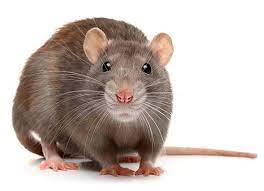
Rats have the ability to imagine

Researchers at the Howard Hughes Medical Institute Janelia Research Campus have discovered that rats have the ability to imagine. There findings indicate that just like people, animals can think about places and objects that they cannot see.

To determine this, they used a Brain Machine Interface and saw that rats showed specific neural activity patterns in the hippocampus area of their brain which is related to spatial memory. The researchers have determined that this function is necessary for an animal to remember past events and imagining future scenarios even if the animal is at a different location.  

Sue’ Note: While this research is important because it gives scientific proof that animals can remember the past and think of the future, it is obvious to me because if animals cannot do this, those in the wild would not survive. Our domestic animals would not be able to learn the things we teach them. An example that many of us have observed is the dog who knows what time a person is coming home and waits at the door, long before he could hear, smell or see the person coming. This is evident when the person is late and the dog at waiting at the normal time and illustrates the dog’s ability to anticipate the future. A famous example of this is Hachikō, an Akita who lived in Japan from 1923 to 1935 and went every day to the train station to wait for his master after his master died.

Journal Reference:

  1. Chongxi Lai, Shinsuke Tanaka, Timothy D. Harris, Albert K. Lee. Volitional activation of remote place representations with a hippocampal brain–machine interface. Science, 2023; 382 (6670): 566 DOI: 10.1126/science.adh5206

Cite This Page:

Howard Hughes Medical Institute. “Rats have an imagination, new research suggests.” ScienceDaily. ScienceDaily, 2 November 2023. <www.sciencedaily.com/releases/2023/11/231102162557.htm>.

Scent and Memory

According to a study done by researchers at the UCI Center for the Neurobiology of Learning & Memory at the University of California, adults who were ages 60 – 85 who were suffering from some sort of mental impairment partook of the scent therapy test.  

The subjects of the study were given a diffuser and seven cartridges, each with a natural oil. The subjects used the diffuser each night when going to bed. The diffuser ran for two hours. The results showed that the group with the full-strength diffusers improved their cognitive skills by 226%.

Imagining showed that there was better integrity in the brain pathway called the left uncinate fasciculus, which connects the medial temporal lobe to the decision-making prefrontal cortex.

In addition to having better memory, the subjects said that they slept better, more soundly.

Sue’s Comments:  We know that essential oils have numerous benefits when smelled. For example, lavender is known for its calming properties. What this study brings to mind for me is the possible connection with scent work in dogs. There are many accounts of animals, dogs, elephants, and other animals, who recognize a person that they have not seen in years. Scent is one of the keys for this, indicating that there may be a connection similar to the findings in this study. Previous studies have shown that in dogs, scent is linked to sight, they are not separate in the dog’s brain. I would love to see further studies that involve this finding and how it might apply to animals. Would it be possible to help elderly animals in the same way. Dogs and other animals suffer from dementia the same as people.

Journal Reference:

  1. Cynthia C. Woo, Blake Miranda, Mithra Sathishkumar, Farideh Dehkordi-Vakil, Michael A. Yassa, Michael Leon. Overnight olfactory enrichment using an odorant diffuser improves memory and modifies the uncinate fasciculus in older adults. Frontiers in Neuroscience, 2023; 17 DOI: 10.3389/fnins.2023.1200448

Cite This Page:

University of California – Irvine. “Sweet smell of success: Simple fragrance method produces major memory boost.” ScienceDaily. ScienceDaily, 1 August 2023. <www.sciencedaily.com/releases/2023/08/230801131700.htm>.

Those amazing whiskers

A study at Northwestern University has shown that rats determine the direction of the wind with their whiskers. Since many other animals such as dogs, foxes, coyotes and cats also have whiskers that are similar to those of a rat, is it possible that they also use their whiskers to determine the direction of the wind?

All wild animals also have to be aware of the direction of the wind to either find food or avoid being detected by predators. Therefore, the ability to determine the direction of the wind or even a slight breeze is a life and death skill. It seems reasonable that that they would use their whiskers as well as the movement of their fur to detect the direction of air movement.

Sue’s Note: As a person who has trained many working dogs, I have seen dogs learn how to use the direction of the wind to find scent. It is quite an amazing thing to watch, and another example of how intelligent animals are.

Journal References:

Mitra J. Z. Hartmann et al. Whiskers aid anemotaxis in rats. Science Advances, August 2016 DOI: 10.1126/sciadv.1600716

Yan S. W. Yu, Matthew M. Graff, Mitra J. Z. Hartmann. Mechanical responses of rat vibrissae to airflow. The Journal of Experimental Biology, 2016; 219 (7): 937 DOI: 10.1242/jeb.126896


Cite This Page:

Northwestern University. (2016, August 24). Whiskers help animals sense the direction of the wind: First-ever study shows that rats use whiskers to locate source of airflow. ScienceDaily. http://www.sciencedaily.com/releases/2016/08/160824160248.htm

Do animals have beliefs?

Based on the research by Dr. Tobias Starzak and Professor Albert Newen from the Institute of Philosophy II at Ruhr-Universität Bochum, yes, they do. Although it is not easy to prove, the research shows that chimpanzees, dogs, and some birds have beliefs. It stands to reason that if these animals do, others do as well.

According to the study for an animal to illustrate that they have beliefs, they must meet certain criteria. They must have information about the world; the animal must be able to use the information in a flexible manner; then that information is then internally structured into a belief with different aspects of that information being processed separately; and they must be able to recombine the components of the information in unique ways.

According to Albert Newen, flexible behavior which can be interpreted as caused by beliefs has been observed in chimpanzees, rats and Border collies.

Journal Reference:

  1. Albert Newen, Tobias Starzak. How to ascribe beliefs to animals. Mind & Language, 2020; DOI: 10.1111/mila.12302

Cite This Page:

Ruhr-University Bochum. “What it means when animals have beliefs: Chimpanzees, some dog species and even scrub jay and crows have beliefs..” ScienceDaily. ScienceDaily, 17 June 2020. www.sciencedaily.com/releases/2020/06/200617145957.htm

The loss of a pet

Love runs deep, no matter if it is the love of a person or a pet. When we lose a beloved pet, no matter what species, it leaves a huge hole in our heart and life. For some people, getting a new pet right away helps ease the pain. Other people can never get another pet. I have owned many dogs, cats and birds, each one holds a special place in my heart. When my search dog Scout died suddenly from undetected cancer, I was numb for two weeks. I had other search dogs and pets since losing him, but I could never get another dog of his breed.

Unfortunately, many people do not understand how someone could feel so deeply about an animal. They do not offer the support that they would give if a family member passed, but the person who is heartbroken needs that support just as much.

People handle grief differently and it helps to understand their needs. A pet owner will handle their grief in the same way that someone who has lost person would. Some people need to talk about the lost pet. Others avoid talking about the pet because it is too painful. Almost everyone feels comfort by getting a sympathy card or a hand written note. In this case a hard copy is best because they may want to save it.

As a certified animal behavior consultant, I have had many clients call to tell me about the loss of their pet. They do this because they know that I will understand. Letting a friend who has lost a pet know that you understand is very important. Let them talk and be willing to listen, even if they talk about the pet frequently as they go through the grieving process.

Both the Old and New Testament have a lot to say about animals and how important they are to God. In the book of Matthew 10:29 it says that God knows even if a sparrow falls. Animals are mentioned many times in the Old Testament, illustrating how important they are to God. Knowing this may bring comfort to someone who is grieving the loss of a pet. The big question that people often have is whether or not they go to Heaven. I have explored this and many other questions regarding animals and their importance to God in my book God’s Creatures A Biblical View of Animals. Please feel free to order it on Amazon or directly through my website for an autographed copy. www.sbulanda.com This book has brought comfort to many people, especially when a beloved pet has passed.

Pain in Animals

Because animals are very similar in many ways to people, they experience some of the same problems. Recently researchers at the University of Leeds have learned that chemical triggers in the nervous system can malfunction making pain much more intense in response to certain stimuli. This is similar to the way humans suffer from long-term, chronic pain such as associated with neuropathies, arthritis and migraines. The chemistry involved amplifies the electrical signal to the brain which alters the sensation of pain.

With this new discovery, researchers may be able to find a better way to control pain in both humans and animals.

Author’s Note: What comes to mind is when our pets seem to have long-term pain that does not seem to represent the level of the cause of the pain. The pain is real, but seems extreme or continues after healing.

Do you really want a dog?

There are many reasons why people decide to get a dog (or any other pet). It is important to think it through before making a decision. Although this article focuses on dogs, it applies to any type of pet.

Consider the following:

  1. Do I have the time to care for a dog? Training, housebreaking, exercise, grooming and daily interaction.
  • Can I afford the cost of the dog throughout its lifetime? Costs include purchasing or adopting the dog, food, veterinary bills, grooming, spay/neuter, boarding, possibly fencing and space for the dog.
  • Do I have time for the extra housework a dog will cause? Some breeds shed a great deal, muddy paws, accidents.
  • Is it OK to have a dog where I live and will live in the future? Does my job require frequent moves, if I rent, am I allowed to have a dog, do I travel a lot, what about vacations?
  • Are any family members willing to help care for the dog? Are there family members who would be hindered by a dog running around the house?
  • Am I willing to make the commitment to care for the dog for its lifetime? Nothing is worse than abandoning a family pet, isolating the dog or neglecting its needs. Dogs are social animals and suffer mentally the same as a person would if they are neglected.
  • Be sure you understand the type or breed of dog that you want. Not all dogs will fit into your lifestyle or home. Know what training requirements, grooming, exercise, and medical issues that are involved with that type of dog.

If you decide to add a dog to your home, it is important to be educated about where to get the dog.

  1. Animal shelters or rescue groups

These are often the first place a person will look for a dog. Keep in mind that neither of these agencies may know the history of the dog(s) that they have for adoption. A dog that is housed in a shelter or rescue group will not behave the same as when it is adopted. It takes about six months for a dog to adjust to a new home. The first six months is the “honeymoon” period and the dog’s behavior may change after six months. Also keep in mind that some people do not tell the truth about why they have given the dog up for adoption. They believe that someone else will be able to fix the dog’s behavior issues. That being said, it is possible to get an excellent pet from these agencies.

  • Friends, neighbors, newspaper ads, pet shops or the internet

These are the riskiest places to get a dog. A good, quality breeder will not allow their puppies to be sold through these venues. Most breeders have waiting lists for puppies. The above-mentioned sources are often backyard breeders or commercial breeders who have little or no knowledge about breeding quality dogs. Pet shops and newspaper/internet ads often get their dogs from puppy mills where the dogs are bred at every heat, forced to live in horrible conditions, receive no socialization or handling by people, are not tested for genetic diseases, are malnourished, are not true to the breed and are often not purebred.

That means the dog may not behave or look like it is supposed to. The latest trend are designer dogs which are cross-bred dogs. These do not adhere to any standard and there is no proof other than a DNA test to ensure that they are the mix advertised.

Some of these sources will provide AKC or other types of “papers” with the dog but papers are often forged or misrepresent the dog they are issued with. No registry organization guarantees that the dog is a quality dog or even that it is pure. Often pet shops purchase their puppies from a broker who is a middleman. The price is inflated and the poor-quality puppy may cost more than a well-bred dog from a reputable breeder. The other disadvantage of getting a dog from these sources is that the seller is in the business of making a profit, therefore they will sell a puppy to anyone without discussing the characteristics of the breed or try to match the buyer with the right type of dog.

What about papers?

         Many people think that if the dog is registered that the papers ensure that the dog is top quality. The reality is that few dogs bred by quality breeders are show quality. Some breeders only produce working lines but even then, there is no guarantee that the dog will perform as expected. Some people can falsely report the number of puppies in a litter and then give an unrelated puppy registration papers. Unfortunately, there are registries that specialize in registering puppy mill dogs and dogs that did not have papers to begin with.

These registries help breeders that cannot meet the national registry requirements or have been banned from registering dogs because they are puppy mills. Papers on a dog are only as good as the information reported to the registering body, the registering body does not check the breeder or dogs.

Puppy Mills

         Some people do not understand that puppy mills exist throughout the world. All puppy mills operate under the same basic conditions.

  1. Dogs are bred indiscriminately without regard to health, breed characteristics, temperament, and physical type for the breed. Often the puppies are not pure. Many of these dogs are inbred for many generations causing severe health issues.
  • After a lifetime be being bred every six months in horrible conditions, such as overcrowding, poor shelter, living in their own waste, lack of good food, water and veterinary care, these dogs are killed when they cannot produce puppies.
  • Many of the puppies are shipped through a broker and suffer the stress of a long trip, often in the back of a hot or freezing truck/van, and suffer physical and mental health issues as a result.

Getting a purebred puppy

         Be sure to research the breed or type of dog that you want. Understand the physical aspects of the breed, (for example some breeds drool a lot), the health issues, exercise requirements, training requirements, and grooming needs.

         Once you have narrowed down the type of dog you want, find a good quality reputable breeder. Nationally recognized registries are a good place to start. Some breeds such as the Australian Shepherd and Border Collie have their own internationally recognized registries. Each country has its nationally recognized registry such as the American Kennel Club, United Kennel Club, Canadian Kennel Club, and so on. Some states have a Federation of Dog Clubs which is another excellent source of information. (If anyone wants a free brochure that I have written about how to select the right dog and breeder please feel free to contact me for a copy).

         It would be to your advantage to hire a certified canine behavior consultant (iaabc.org) to help you evaluate a potential litter/puppy. It is true that puppies go through developmental stages, but a good behavior consultant can often pick out potential problems if any exist.

         Be wary if a breeder has multiple litters at the same time or the dogs live in a kennel and do not receive much attention. These breeders may keep their dogs in better conditions than a puppy mill, but the dogs are still neglected in a number of ways. Also avoid situations where the dogs are bred by people who put out a handmade sign advertising puppies for sale. There are religious groups who run puppy mills as a source of income.

Getting an adult dog

         Some people do not have the patience or desire to go through the first year of raising and training a puppy. The advantage of getting an older dog is that what you see is what you get for the most part. Many adult dogs are in need of a good home because of their owner’s situation, not because the dog has a major problem. Often breeders retire dogs after their show career and when they are too old to breed any longer. A good breeder may retire a bitch after two or three litters. That means that the dog is still young. A potential show dog that did not make it may also be available for adoption.

In many cases if a dog’s owner cannot keep their dog, they will return the dog to the breeder to be placed. And again, a shelter or rescue group may also have wonderful dogs for adoption. It is a great kindness to adopt a senior dog who may have been given up because the owner had to retire to a facility where they could not have the dog. This will ease the pain of separation for both the owner and the dog if the dog finds a loving home.

Contracts

         It is not unusual for a breeder or an organization to require that you sign a contract to purchase or adopt a dog. Make sure that you read the contract carefully and better yet, take it to a lawyer for review. Some commercial breeders will give you a bitch at no cost if you promise to let them breed the dog a number of times. Often the dog’s owner must pay for all of the expenses and then they cannot have a puppy from the breeding to sell to recoup the cost of birthing and raising the litter. What happens is that after the dog’s owner has met the required number of litters, they will breed the bitch themselves to make some money. At no time is the bitch evaluated to be worthy of breeding or are the puppies judged to be a good quality. It is simply a way to mass produce puppies and claim that they are “home raised.”

         Another clause in a contract may say that the breeder will withhold registration papers until the dog is either neutered or spayed. This is to ensure that non-show quality puppies are not bred. This is actually a good thing to promote the breeding of quality dogs only.

         Be careful when reading a contract and look for empty guarantees. They will look something like this: “We guarantee that this puppy (fill in the blank).” There is no statement as to what the breeder will do if the puppy does not turn out as it was guaranteed. While it sounds nice on paper, it is an empty guarantee. Or the guarantee will require that you return the dog to the breeder for another puppy. The breeder knows that most people will be too attached to their dog to give them up, therefore they get out of their guarantee. If the dog develops a severe problem, would you want another puppy from that breeder? I would hope not. The bottom line is that no breeder can honestly guarantee anything about a puppy since genetics is not that exact and the breeder has no control about how the owner has treated or taken care of the puppy/dog. The breeder can guarantee that at the time you receive the puppy it is healthy. Make sure to take the puppy to a veterinarian within days after bringing the puppy home.

         Almost all shelters and rescue groups will require an adoptive owner to sign a contract that guarantees that the puppy/dog will be neutered or spayed and often, if you cannot keep the dog, that it will be returned to the agency that adopted it to you. This is a good thing.

Training the dog

         Regardless of how old your dog or puppy is when you bring him home, you should take him for training. If you have adopted an older dog, the training may not be necessary for the dog, but it will help you and your dog bond and learn to understand each other. Everyone handles a dog differently so your dog needs to learn about you as much as you need to learn about the dog. Puppies of course, need training. The best time to start a puppy is about two weeks after you bring him home. You can start teaching a puppy basic rules until he is old enough to go to a puppy kindergarten class. Do not wait until your puppy is six months old to start training. Even if you do not formally train your dog right away, your puppy/dog will be learning anyway and often he will make up the rules to suit his own needs and desires. 

With careful thought and consideration, getting a dog can be one of the most enjoyable things in your life. It would be wise to review this article each time you want to add a pet to your household. Feel free to ask me any questions.
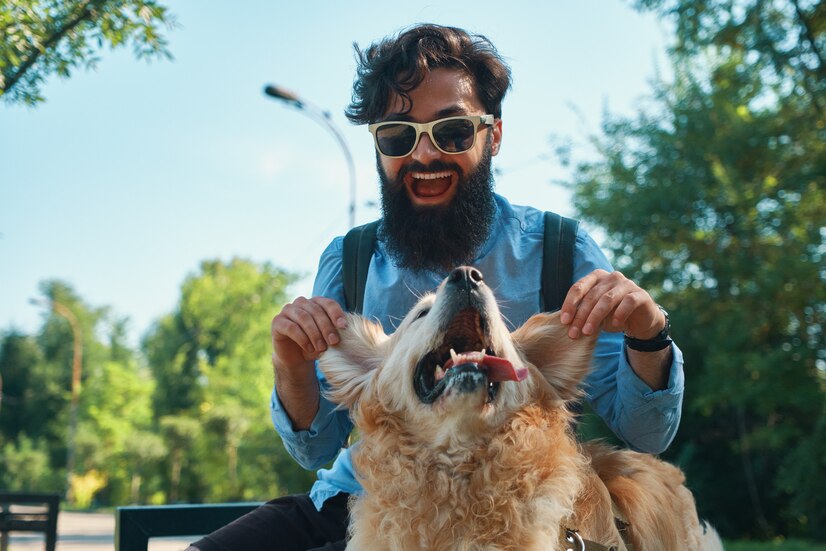
Grooming products for dogs and cats

H.I.C.C. Pet has some very nice grooming products for dogs and cats. We all know how difficult it is to bathe most cats but now there is an alternate way to keep a cat’s coat clean. H.I.C.C. Pets has Cat Glove Wipes specifically made for cats that are double sided. One side is used for cleaning and the other for massaging. The formula on the glove is antimicrobial and deodorizing, is safe if the cat licks it and dries quickly. For dogs or cats that have hot spots or have wounds that are healing, H.I.C.C. offers a pet skin care spray that is also safe to use. They also offer a pet grooming glove that can be used on either dogs or cats. Check out their products. https://www.facebook.com/Hiccpetsupplies Instagram: https://www.instagram.com/groompetsbyhicc/