Dogs, the new hope for avocado trees

Laurel wilt disease has caused the death of more than 300 million laurel trees in the United States. This is devastating to the Florida avocado orchards since the Avocado tree is in the Laurel family. Avocado’s are the second largest crop for Southern Florida with the citrus industry being the first.

The problem with this disease is that it kills the trees quickly once they are infected. In order to save the trees the disease must be detected before external symptoms surface. To combat the disease, researchers from the Florida International University have trained three Dutch Shepherds to detect the disease before symptoms appear. So far the dogs have been a stellar success, proving again that dogs can help with many different jobs.

DSCN1319

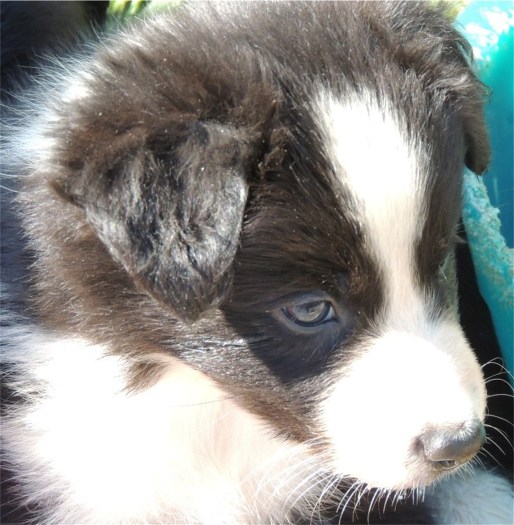
Babs as a puppy, OK, she’s not a Dutch Shepherd

Dogs have been used for years to detect agricultural products entering airports, so it is no surprise that they can detect the Laurel Wilt disease.


Do animals grieve the loss of a loved one?

There are many people who have seen what appears to be a grieving process in their pet when a loved one, human or animal, dies or otherwise leaves the home.

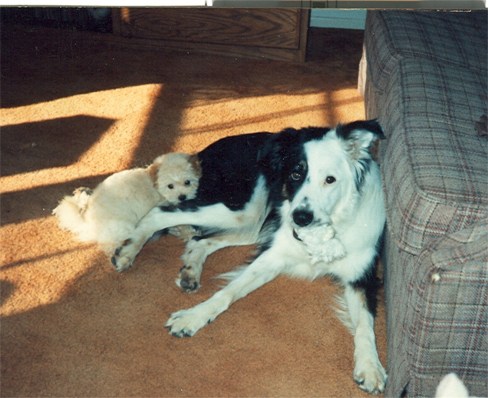
dempsey

Dempsey

I personally have seen this in both my dogs and cats from time to time. There are no set rules about how a pet will grieve, but the owner or caretaker will see a change in the pet’s behavior.

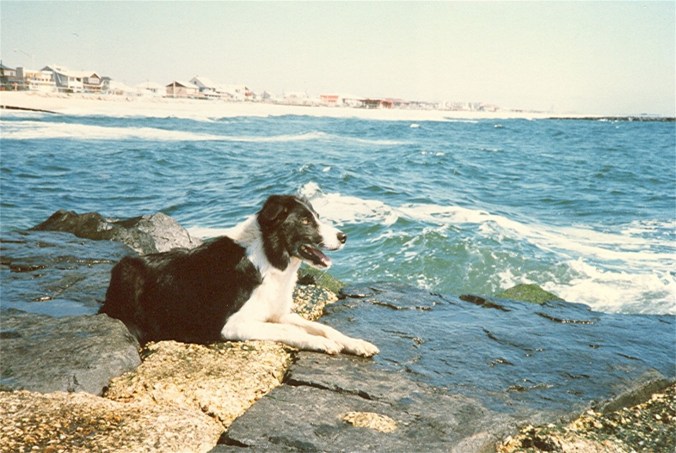
scan0011

Ness

Some signs are:

Panting, pacing, whining, fidgeting, weight loss due to a loss of appetite, becoming clingy when the pet was not that way before, wanting to touch another pet or person more than normal and a general sad behavior. I have had pets look for the lost companion, and generally mope around the house.

I have had more than one dog bond with another dog only to have to re-home the dog or the dog dies. Some people let the pet that is alive see the dead pet. They claim this helps. In my case I have often replaced the pet that passed.

The most dramatic incident that I have witnessed was something that I still cannot explain. Our Rottweiler Dempsey, had hip dysplasia and seemed to be in quite a bit of pain. I called our veterinarian and arranged to pick her up on my lunch hour to take her for x-rays. When I took her out of the front door, our Border Collie, Ness,  did something he never did before or after that incident. When I closed the front door, he threw himself at the door and screamed in a way I had never heard a dog do. I was puzzled since I had taken the Rottie to the groomers on a number of occasions in the same manner, picking her up on my lunch break and taking her for a bath, especially the time she got skunked. So the Border Collie had experienced this before.

Unbeknownst to me, she had very bad bone cancer and upon examining the X-ray, the veterinarian called me at work to tell me what he found. Her thigh bone was completely perforated, and the cancer had spread, so we decided she needed to be put to sleep. How did the Border Collie know? He was not the same after losing his buddy.

About a year later, we picked up another puppy that a friend had brought for me from France. We had the Border Collie with us at the airport when we went to pick up the new puppy. As my husband carried the puppy to the car, the Border Collie gave him a look that would have killed. It was as if the Border was saying, “How could you bring another dog here.” The story had a happy ending because it did not take long for Ness  to accept the puppy and they became fast friends.

What makes it difficult is that we cannot explain to the pet what has happened and why. We have to let them work out their grief in their own way and in their own time.

What we can do to help our pets when they grieve is to be there for them. Try not to change their routine. Let them cuddle if that is what they need. Give the pet extra play and exercise if possible. And in some cases a new companion may be the answer.

It is important to understand that all animals have feelings similar to ours. They understand that someone is missing. In cases where there is a sudden death of a person, the pet may not realize that they are gone right away. This is true if the person spent days away from home due to work or regular vacations. In time the pet will realize that the person is not coming back. That means the caretaker(s) of the pet, or the family left behind must keep an eye on the pet to watch for signs of grief which may not show up right away.

If the family is grieving the pet will react to that and it may be difficult to tell if the pet is grieving or reacting to the emotions of the people around him which can make his own grieving stronger.

There is no easy answer or solution to the problem of pet grief. Although it is a common phrase that is true, time will help, time will heal.

Puppies born in the summer are at a greater risk of heart disease

Puppies born June through August have the highest risk of developing heart disease says a study by researchers at the Perelman School of Medicine at the University of Pennsylvania. They feel that air pollution may be the cause. Their study showed that breeds that are already prone to heart disease were not affected by their birth month but breeds that are not prone to heart disease were affected.

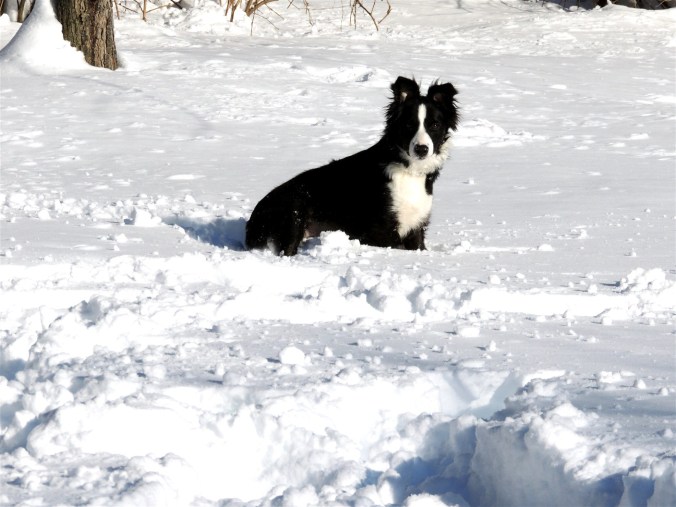
DSCN1648

Puppies born in July had the highest risk, at 74%. The researchers found that the risk for heart disease existed for both dogs and humans. Outside air pollution during pregnancy and at the time of birth appears to play a role in later development of heart disease. They coordinated their findings with research that had been conducted on people and found similarities. While the connection between outside air pollution is suspect, it has not been completely proven to be the cause but is a strong suspect.

I would like to see further research to see if the risk is greater in cities and countries where there is greater or less air pollution and compare it with the current findings. In the meantime, for those dogs born within the suspected time-frame, it would benefit dog owners to make sure that they take their dogs for annual checkups and watch for signs of heart issues. Also, diligent breeders could avoid having puppies born in the summer.

Maternal separation affects rat’s brains and changes adult behavior

Associate professor of psychology Christopher Lapish at the Indiana University-Purdue University Indianapolis School of Science has shown that if a baby rat is taken from its mother for 24 hours when the baby is nine days old, it changes their behavior as adults.

The study showed that there was memory impairment and less communication between brain regions as well as other neurological changes in the rat’s brain. Rats that were separated showed significant behavioral, biological and physiological, brain abnormalities in adulthood.

1baby-pluskat

The findings in this study have a bearing on humans as well. According to co-author Brian F. O’Donnell, professor of psychological and brain sciences at IU Bloomington, “children exposed to early-life stress or deprivation are at higher risk for mental illness and addictions later in life, including schizophrenia.”

This research is also supported by the findings that if kittens are taken from their mothers before they are weaned, they tend to show more aggressive behavior as adults. I know that children who are taken from their mothers at birth and put up for adoption have a higher rate of attachment disorder as a result.

Because rat brains have similarities to human brains, this study can lead to further findings. It would be interesting to study the behavior of all animals that are bottle fed by humans and even those that are fostered with a different mother to see if there are differences in their behavior from those that are raised by their birth mother.

French Bulldogs have a high risk of health problems

A study by Researchers at The Royal Veterinary College (RVC), UK found that ear infections, diarrhea and inflammation of the eye surface (conjunctivitis) were the most common problems in the French Bulldog that were one year of age and older.

What is also interesting is that females tended to be healthier than males. Of the 26 common health problems in this breed, males were more likely to get 8 of them.

frenchie

(photo from internet free stock)

The very characteristics that make the French Bulldog popular, such as their short nose and skin folds, contribute to their health issues. Breathing issues are seen in over 10% of the breed as well as skin problems due to their skin folds.

This means that breeders have to be very diligent in their breeding program to help reduce the health issues. People who want to own this breed should be aware of the health issues and be prepared to pay for the extra veterinary care that these dogs require.

Secrets of the Snout by Frank Rosell

Secrets of the Snout by Frank Rosell, University of Chicago Press, ISBN: 13: 978-0-226-53636-1, 265 pgs., $23.40.

franks book

Professor Rosell has done a wonderful job explaining how a dog’s nose works. He gives us accounts of different types of detection dogs which is a delight to read. The book is easy to read and understand because written for the average pet owner.

While other books have covered a dog’s scenting abilities, Professor Rosell has included the latest research along with keen insight to dog behavior. He explains what makes up scent and what a dog detects.

Each chapter features a specific dog’s scenting experience which helps the reader gain useful insight as to how dogs do their jobs. He explores topics such as, can a dog tell identical twins apart and other interesting experiments.

There are extensive notes for each chapter as well as a thorough index which makes it easy to locate specific material. I highly recommend this book for all working dog and pet owners who would like to understand their dog’s world of scent. This book was first published in Norway and was so popular that it was translated into English and published in the United States.

The Chapters include:

  1. Dogs at Work
  2. A Dog’s Sense of Smell
  3. A Good Judge of Character
  4. Pet Finder
  5. Search and Rescue
  6. On the Hunt
  7. Police Work
  8. Customs and Border Control
  9. Military
  10. Medical Detection
  11. Field Assistant
  12. Pest Detector and Building Inspector
  13. Other Work Tasks for Sniffer Dogs.

Sexually Transmitted Disease in Dogs

The canine transmissible venereal tumor is spread in dogs worldwide through breeding as well as biting and licking the infected area. Professor Ariberto Fassati of UCL (University College London) has discovered that the disease is related to a single common ancestor, making it the same in all dogs. Professor Fassati also discovered that the dog’s immune system can cause the cancer to regress spontaneously or within a few weeks after only one radiotherapy or chemotherapy treatment.

Professor Fassati found that the healthy cells around the tumor were vital in causing the regression of the cancer. What is very exciting about this finding is that canine transmissible venereal tumor is very similar to various human cancers such skin cancer, bone cancer, and certain blood cancers. His research may lead the way to better treatments for humans.

“There are two key messages of our study,” Fassati says. “First, we should not focus on the cancer cells only but also understand the importance of normal tissue around the cancer in promoting rejection. Second, we must be able to induce the production of large amounts of certain chemokines to attract loads of immune cells to the tumor site.” His research may lead the way to better treatments for humans.

3.6

Munchausen by Proxy for pets

Although it is rare, veterinarians should be aware of Munchausen by Proxy since it can involve pets.  To understand Munchausen by Proxy it is necessary to understand the Munchausen disorder.

Munchausen is a mental illness that involves faking, producing or prolonging an illness. People who have this disorder will go to great lengths to hide it. It is important to note that this disorder does not include faking illnesses to get out of going to work, winning a lawsuit, and it is not the same as hypochondria where the person actually believes that he is sick.

Munchausen by Proxy is when the mentally ill person fakes illnesses in a child, elderly person or pet to gain sympathy. There is not much data on Munchausen by Proxy in pets, but by understanding how it manifests itself in humans; a veterinarian may be able to detect it when it involves pets.

Here are some of the characteristics of this disorder:

The illness does not fit the classical picture

The Illnesses do not fit well together or do not relate

The caregiver is too helpful

The caregiver is often involved in the medical field

Complications can arise from the injuries

There are dramatic stories about the medical problems

Frequent visits to the doctor/veterinarian

Vague symptoms

Inconsistent symptoms

Conditions that worsen with no apparent reason

Eagerness for testing and surgeries

Extensive knowledge of medical terms and conditions

Frequenting many different medical professionals

Made-up histories

Faking symptoms

Self-harm or inflicting harm

Preventing healing

The persons most likely to have Munchausen disorder are those who:

Experienced a childhood trauma including sexual, emotional or physical abuse

Had a serious illness in childhood

A relative with a serious illness

Poor self-esteem or identity

Loss of a loved one early in life

Unfulfilled desire to be in the medical profession

Work in the health care field

According to the statistics, more males and young or middle-aged people are most likely to have Munchausen disorder.

What should you do if you suspect that your client has this disorder? First try to diagnose the illness in the pet with tests to be certain that it is real. Go for a cure rather than treat symptoms.

Talk to your pet’s owners and being aware of the symptoms listed above.  Listen to your gut feelings if they tell you that something isn’t right.  Most people try to second guess themselves when their first reaction was correct. If you suspect that a client may have Munchausen by Proxy you can alert your local animal cruelty organization. Munchausen by Proxy is a form of cruelty. It is better to be safe than sorry.

scan0018

A little brag from me!

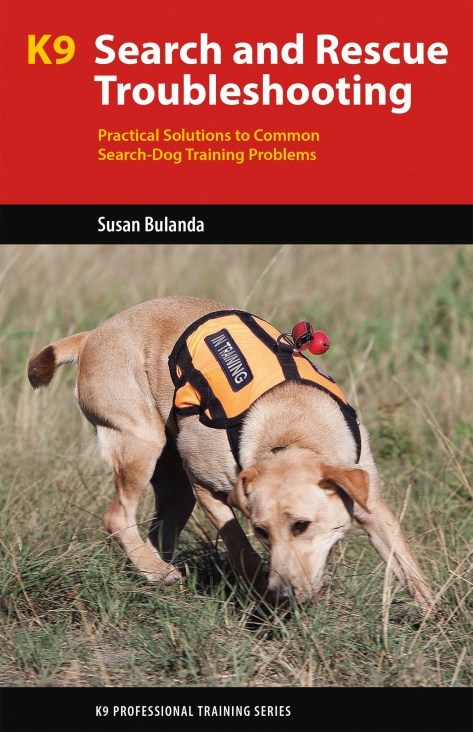
I wanted to let my followers know that my latest book, K9 Troubleshooting won first place in the National League of American Pen Woman’s contest and has now been nominated in the Dog Writers Association of American contest. I will not know for a month or so if it wins. Being nominated is an honor in and of itself. There are a lot of books entered. 9781550597363


Dwaa cert

img036

The truth about Pit bull’s, Bully breeds and mixes

Over the past few years there has been a lot of discussion about Pit bull Terriers as well as Pit or Bully mixes. Unfortunately, there are many misconceptions about these breeds to the point where the Bully breeds in general have been banned in certain states. Owners are often restricted as to where they can live, what homeowner’s insurance they can get and how they have to house or walk the bully breeds.

People fail to understand the nature of these dogs therefore I have compiled a list to dispel some of the myths surrounding them.

  1. Myth: All Pit bulls will attack another dog.

The truth of the matter is not as clear cut as many are led to believe. First of all, the Pit bull is a terrier. As such it can have a typical terrier personality. In the dog show ring a number of terrier breeds are tested by “sparring” them. Here is a quote from the Kerry Blue Terrier (KBT) web site, “The act of sparring KBTs allows a judge to determine which KBT possesses the greatest amount of poise and fire, tempered with dignity and control. In other words, sparring shows the judge “who’s who”!”

To spar a dog is when the dogs are put face to face and they must show a willingness to challenge another dog. Although they are not allowed to fight, sometimes due to poor handling a fight will ensue.

The difference between the Pit bull and other terriers is that the Pit bull breed was bred not to bite his handler when pulled apart in a dog fight. There are few dogs that will not bite any hand that gets in the way of a dog fight. This is why if your dog is in a fight, never try to pull the dog’s apart by their collar, you will be bitten. The Pit bull is the only breed that is specifically bred not to bite people.

However, many Pit bull dogs will not fight other dogs. It is primarily a matter of training by their owners. The proof of this is how many Pit bull dogs have been beaten, abused, killed and otherwise discarded by those people who would use them in a dog fight, because they will not fight!

  1. Myth: Pit bull dogs can account for most of the human deaths by dogs.

This is difficult to prove because many dogs that are labeled as Pit bull dogs or mixes are in fact not at all Pit bull’s or mixes. It is difficult without a DNA test to determine if a dog is a mix between a Boxer, Boston terrier, Staffordshire terrier, Bullmastiff or a Rottweiler—just to name a few breeds. Many of the people who label a dog as a Pit bull or mix are not well versed in identifying breeds of dogs to make that determination. Even professionals in the dog business can find it difficult to determine what breed or mix a dog is. For example, if you saw a small Bull mastiff standing next to a large Pit bull, or a Pit bull standing next to a Staffordshire terrier or an American Bulldog, or even a Boxer, would you be able to tell the difference?

3. So why are the Pit bull types most often linked to attacks of all kinds on humans and other animals? Part of the reason is that they are currently the popular breed used by drug dealers, and other unsavory people that train the dogs to attack. In the past other breeds were popular with this element of society such as German Shepherds, Dobermans and Rottweilers. Also, when smaller dogs attack it is often not reported because they do not do much damage. The main thing to consider when you hear or read about a dog attacking a human, is to find out if the dog was taught to be aggressive and/or mistreated.

There are a number of key factors that come into play as to why any dog will attack or bite.

a. The way the dog was bred is vital to this issue. Many dogs that come from backyard breeders, commercial breeders, puppy mills or people who do not understand genetics and careful breeding can have a bad temperament. This is not limited to the Bully breeds which are why organizations such as the American Temperament Test Society formed to encourage people to show that the dogs they want to breed or own have a sound temperament. Any dog that does not have a sound temperament can be dangerous, especially if they are a large breed of dog.

b. The way the dog is raised by its owner plays an important part in how the dog will develop. Each puppy, no matter what breed, must receive proper socialization in order to increase its chance of adjusting to life with humans. This is why many dog trainers and dog clubs offer Puppy Kindergarten classes to help dog owners properly raise their puppies.

c. What the dog is taught is also critical. Every dog should have “no force” obedience training. This is critical for large dogs as well as the terrier breeds since they can be very focused on other things and a challenge to train for the novice dog owner.

d. The environment that the dog lives in is very important. Dogs are very intelligent and the latest research shows that they are much more intelligent than previously thought. When a dog’s needs are not met, the dog can become “mentally ill” in that he misjudges how he is supposed to behave. Solitary confinement — defined as being tied to a dog house, kept in a pen or a room in a house can have the same effect on a dog as it would a human—irrational behavior, violence and hostility. Even if the dog is not confined, aggressive behavior by the owner toward the dog or even other people can cause aggressive behavior in a dog.

e. The owner’s attitude can also play an important part in the way a dog behaves around other people. For example, the person that purchases the dog for protection will act differently when someone comes to their door or into their house than the person who only wanted a companion. Either consciously or unconsciously, they want the dog to attack an intruder to protect their home. They expect the dog to bite but they do not want the dog to bite everyone. They expect the dog to understand the difference between a friend and foe.

Unfortunately the dog will sense the owners fear that the dog will bite wanted guests and friends. However, the dog never associates himself as the cause of the fear or anxiety and thinks that everyone who comes near the owner, or to the door, is a threat. Pit bull’s are loyal dogs who instinctively want to protect their family, just like many other breeds. Therefore, as the dog becomes more protective and the owner becomes more fearful, when people come to the door, the dog’s protective instinct increases with every encounter. It is a vicious cycle.

f. One aspect that people hesitate to discuss or consider is the neighborhoods and types of people who own Pit bull’s and what they do with the dogs. Do most bites occur in a neighborhood where people have the dogs for protection, engage in dog fighting, or as a warning for illegal activities? As explained above, the owner plays a big part of why dogs behave as they do.

g.  When looking at dog bite statistics it is important to consider what percentage of the whole population of Pitbull’s (real Pitbull’s not dogs labeled as Pitbull’s) bite humans compared to other breeds.

h. Lastly, each bite must be evaluated based on its own merits. Was the dog trained to bite? Was the dog teased? Was the dog mistreated, etc.

All dogs will bite given the right circumstances. A bite is not always an act of aggression. A bite can be a warning to be left alone. People seem to forget that a dog’s mouth is also his “hands.” They communicate, manipulate, explore, and learn by using their mouth. If a dog owner does not teach a dog to inhibit his bite, a playful nip can hurt.

According to statistics, approximately 4.7 million dog bites occur each year. The following list ranks breeds in order of the most bites attributed to that breed.

  1. Chihuahua
  2. Bulldog
  3. Pit Bull
  4. German Shepherd
  5. Australian Shepherd
  6. Lhasa Apso
  7. Jack Russell Terrier
  8. Cocker Spaniel
  9. Bull Terrier
  10. Papillion

While the Pit Bull Terrier is ranked third on the list, of all of the bites reported, they do not represent the majority of bites.  Note that three of the breeds on the list are toy breeds.

Many if not the majority of Pit bull’s and the Bully breeds are sweet, wonderful companions. It is ironic that in today’s world it is against the law to use certain words, and people protest being profiled. Yet the Bully breeds are being profiled and persecuted no matter what the individual dog is like, even if the dog only looks like a Bully breed or mix and in reality is not.

The following photo is from on on-line free photo site: Can you tell what breed it is?

pit mix