Detector Dogs and Scent Movement

Detector Dogs and Scent Movement: How Weather, Terrain, and Vegetation Influence Search Strategies by Tom Osterkamp, published by CRC Press: Taylor & Francis Group, LLC

ISBN:13: 978-0-367-07429-6, 236 pgs. $64.95 USA, £47.99 (GBP), $101.00 (AUS), $113.00 (NZD)

When Mr. Osterkamp asked me to review his book, based on the title I thought it would be just another run-of-the-mill book about scent for SAR dog handlers. I was very wrong. This book is by far the most meticulously researched book that I have read in a long time. It is a collection of scientific material that covers in depth, all search situations regarding scent detection dogs. Each chapter has sub chapters making it easy to find the exact information you need. There is a detailed index, and three appendices, Abbreviations, Acronyms and Questions and Needs for SD (Scent Detection) Training and Deployment.

In his Preface, Mr. Osterkamp says, “This book reviews the scientific literature on scent and scent movement with emphasis on scent movement in outdoor environments. . . . Throughout the book, comments and suggestions are made to show how handlers can use the information in training and deploying search dogs. Several new hypotheses are made about scent and scent movement.”

Although no book can explain how to handle every situation that a SAR dog handler will encounter, Detector Dogs and Scent Movement gives the handler in-depth details that will help the handler make decisions in the field. Mr. Osterkamp has lived up to his statements in the Preface.   

I liked the fact that he included cause and effect situations, for example: “When a dog or handler works harder and longer during a search than during training, the dog is more likely to give a false alert and the handler is more likely to make mistakes.” (pg.46)

Mr. Osterkamp’s writing style is direct and unbiased, presenting scientific studies in a manner that is easy to read and understand. However, this book is not a how to train your dog guide. The material in this book will help the handler understand how scent affects his dog on a search, in training and how to better utilize his dog for the maximum results. The chapters outline potential problems and a summary of the chapter.

There are seven major chapters:

1. Introduction

2. The Dog’s Nose and Scent

3. Scent and Wind

4. Above Ground Searches

5. Buried Sources

6. Water Searches

7. Trails and Trailing

I have to strongly recommend that every scent dog handler and trainer, SAR or other working scent detection K9’s as well as those who use dogs in sports that involve scent work, study this book.

Scent training Bees

Walter Farina of Universidad de Buenos Aires, Argentina experimented training bees to seek out sunflowers more than other plants. He was successful in training the bees to travel to sunflowers and increased the production of seeds by 29 to 57%.

Pickabay image

He was able to accomplish this by feeding the bees sunflower scented food in the nest. The team is developing other scents to encourage bees to pollinate a variety of crops such as almonds.

What is also important about the success of this experiment is that it further substantiates the fact that bees have long-term memory. Memory of any kind indicates a thinking process, showing us that even insects are smarter than most people give them credit for.

Hemangiosarcoma cancer linked to Bartonella bacteria

Researchers at North Carolina State University have found that dogs who have hemangiosarcoma, a cancer of the blood vessels have high levels of Bartonella bacteria. This leads researchers to believe that there is a connection between persistent infection and/or inflammation and some types of cancer.

Hemangiosarcoma (HSA) is an aggressive, deadly cancer that comes from cells lining the blood vessels. It is responsible for two-thirds of all heart or splenic tumors in dogs, and is most common in medium-sized and middle-aged dogs.

What makes this difficult is that the bacteria are found in tumors and tissues but not detectable in blood samples. This indicates that Bartonella can survive undetected within tissue.

I have personally lost two dogs to cancer of the spleen. I hope that the researchers can develop a simple test to detect hemangiosarcoma and the Bartonella bacteria.

Jib, SAR dog who died from cancer of the spleen

Feeding indoor cats once a day is healthier

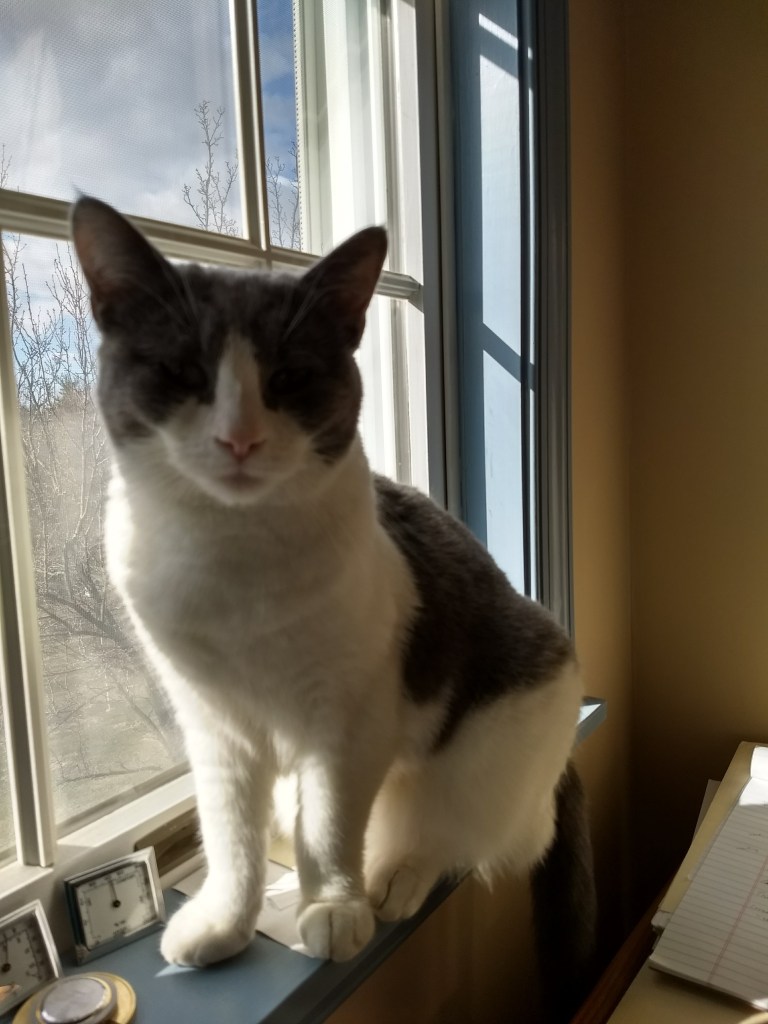
Many cat owners have been told to feed their cats up to four times a day. Some cat owners have a self-feed system where food is left out all day. What is surprising is that a recent study showed that cats are healthier if they are fed only once a day. Animal nutrition specialists in U of G’s Ontario Veterinary College (OVC) and Ontario Agricultural College (OAC) conducted a study and found that cats who eat once a day were less hungry which might help prevent cats from becoming overweight.  

          The study showed that cats that ate once a day were more satisfied and burned stored fat which helped them keep a healthy body mass. They also had more protein which helps build and maintain body mass an important benefit for older cats to help prevent sarcopenia.

Cancerous tumors in dogs

A study conducted by Oregon State’s College of Public Health and Human Sciences by Katy Townsend, an assistant professor in the Carlson College of Veterinary Medicine; and Joanne Tuohy of Colorado State University showed that if a cancerous tumor in dogs is completely removed, the risk of the cancer coming back is reduced by 60%.

The researchers found that to reduce the reoccurrence of cancer the tumors must be removed with microscopic margins to be sure that all of the cancer cells are removed.

The importance of this study shows that veterinarians need to adopt standard research guidelines to improve treatment of cancer in animals. This way information can be more useful.

How reward-based training can mask intelligence in animals

In a study with rodents and ferrets’ researchers found that using treats could mask an animal’s true intelligence. They found a difference between performance and knowledge and that there are two processes, one for

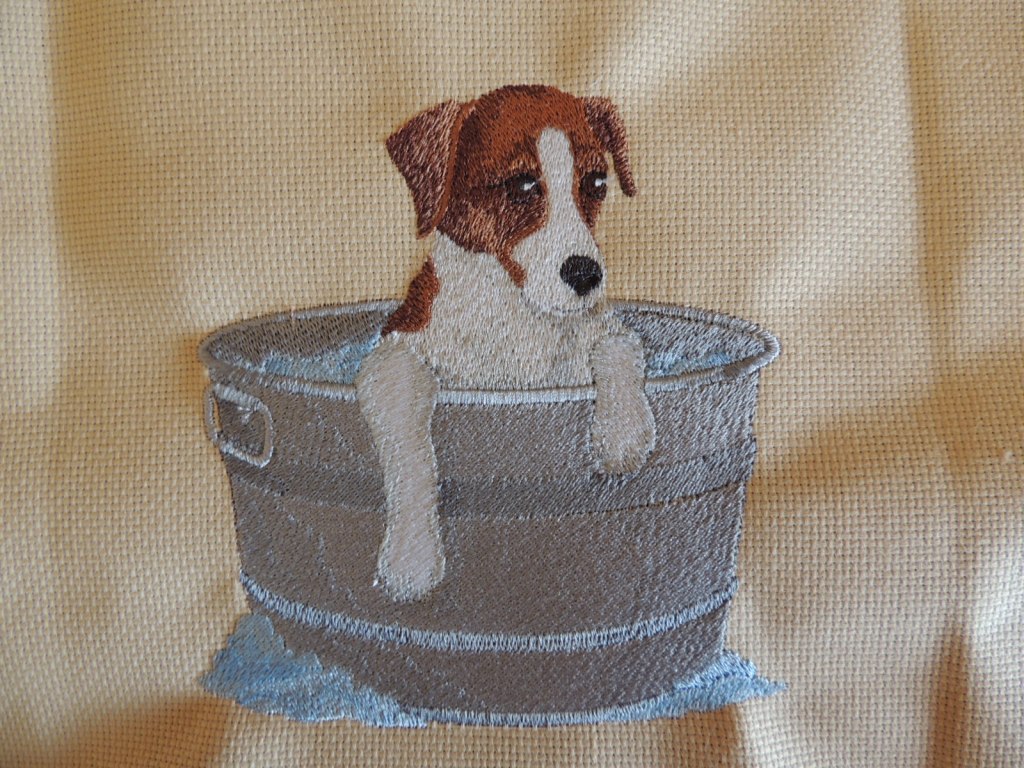
Embroidered JRT pup by S.B.

Content and one for environment. The study was conducted by Kishore Kuchibhotla, an assistant professor in The Johns Hopkins University’s department of psychological and brain sciences.

The study wanted to explore how reward-based training affects learning verses performance or behavior. Their research showed that reward-based training improved learning in steps or stages but can mask an animal’s knowledge, especially what the animal learned early in life.

The researchers hope that the results of this study and future studies will help people with Alzheimer’s Disease maintain lucidity as well as improve testing environments for children.

Reward-based training is the most humane way to train a pet, but the pet owner must recognize that the pet is more intelligent than the training demonstrates. This is evident when a pet uses the lessons he has been taught in new ways.

A new treatment for Uveitis

A number of species including dogs, and people suffer from Uveitis, an uncontrolled inflammation which is a secondary eye problem. It is related to infectious diseases, cancer, and autoimmune diseases and it occurs in patients with longstanding cataracts and cataracts surgery.

Researchers have discovered that a derivative of turmeric called Curcumin has shown promise to help cure uveitis. Traditional treatments have a number of side effects where as curcumin does not.

Dr. Erin Scott, an assistant professor at the Texas A&M University College of Veterinary Medicine & Biomedical Sciences hope to start clinical trials very soon. Their treatment may also cure cataracts as well as uveitis.

Coronavirus treatment for cats may treat humans

Research has shown that ferrets and cats are more susceptible to COVID-19 than other animals.

When there was a severe outbreak in 2003 of Severe Acute Respiratory Syndrome (SARS) in humans, scientists developed a protease inhibitor. This was further developed by veterinary researchers as a cure for coronavirus which is fatal in cats.

Because the drug has been tested in the lab and then on animal models (used in cats since 2003), researchers plan to start clinical trials in humans very soon.

Again, as I have reported a number of times, our pets have provided medical support for us. How wonderful that our beloved cats may indirectly save many lives worldwide. How hopeful it is that our scientists, including our veterinary medical professionals are a key to the cure of COVID-19. Many people do not realize how much our veterinary researchers have contributed to the overall health and well-being of people. Please read the entire article as reported by Science Daily.

Wild parrots in the United States

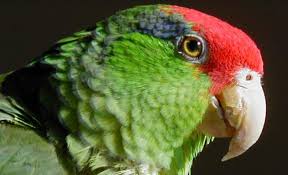
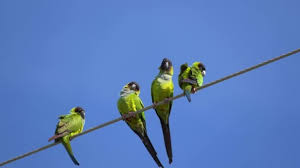
Although they are not native to the US, there are colonies of wild parrots living in the US. These birds were pets that either were released or escaped. Fifty-six different parrot species in 43 different states have been spotted and 25 species in 23 states have established breeding colonies.

The most common are the Monk parakeet, Red-crowned Amazon and the Nanday Parakeet.  

Red Crowned Amazon

A famous colony of Monk parakeets’ lives in Chicago. Since they do not migrate, they survive the winter by feeding at bird feeders. The largest colony is located at the Skyway bridge that connects Illinois to Indiana.If you are a birdwatcher, do not be surprised if you see an unusual bird at your bird feeder or in a tree or bush around your home.

Monk Parakeet
Nanday Parakeet

Non-social fear in dogs

According to a recent study at the University of Helsinki there are a number of factors that cause a dog to have non-social fears.

The researchers studied 14,000 dogs of various breeds and found that those who were fearful of novel situations, noise sensitivity, slippery surfaces, heights and transparent stairs, for example, benefited from physical activity. Some dog owners avoid doing things with their dogs because they do not want to put them into situations that cause fear.

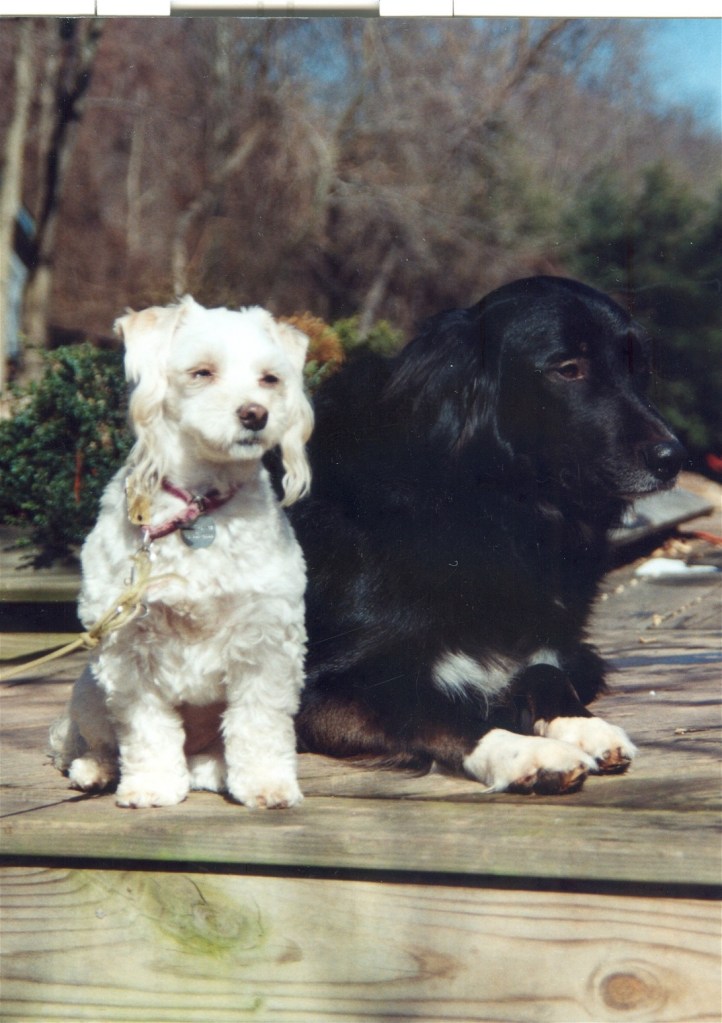
Lily and Jib

Lack of proper socialization is also a contributing factor that causes a dog to develop fear. They found that urban dogs are more fearful than rural dogs and fear is more common in spayed females and smaller dogs.

The article goes into more detail about the various breeds and the fears that they have. Interestingly they stated that Cairn Terriers were among the most fearful breeds.

The fact that there are breed differences indicates that a good breeding program can go a long way in reducing fear in breeds of dogs. Socializing puppies is something everyone can do. However, it should be done under the guidance of a competent dog trainer, especially for first time dog owners.